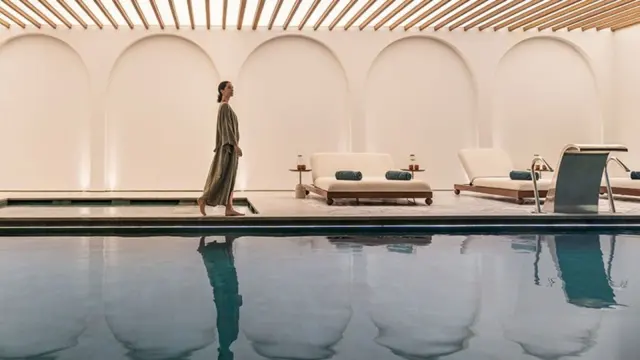
The hotel lobby has quietly changed jobs. What used to be a place to check in, grab a key and escape is now designed as the social centre of the building — part café, part co-working space, part evening bar. This shift is the core of a recent design industry discussion about how hospitality interiors are being rethought from the ground up.
The idea is simple: travellers no longer treat a hotel as just somewhere to sleep. Guests want to work, eat, socialise and get a feel for a destination without leaving the building, so designers are building flexible spaces that serve all of those needs at once. Furniture, lighting and materials are used to suggest different zones — a workspace here, a lounge there — without hard walls or formal divisions. The upside for guests is a lobby you can actually hang out in; the business logic is that a welcoming public space can also pull in locals who aren't staying at the hotel at all.
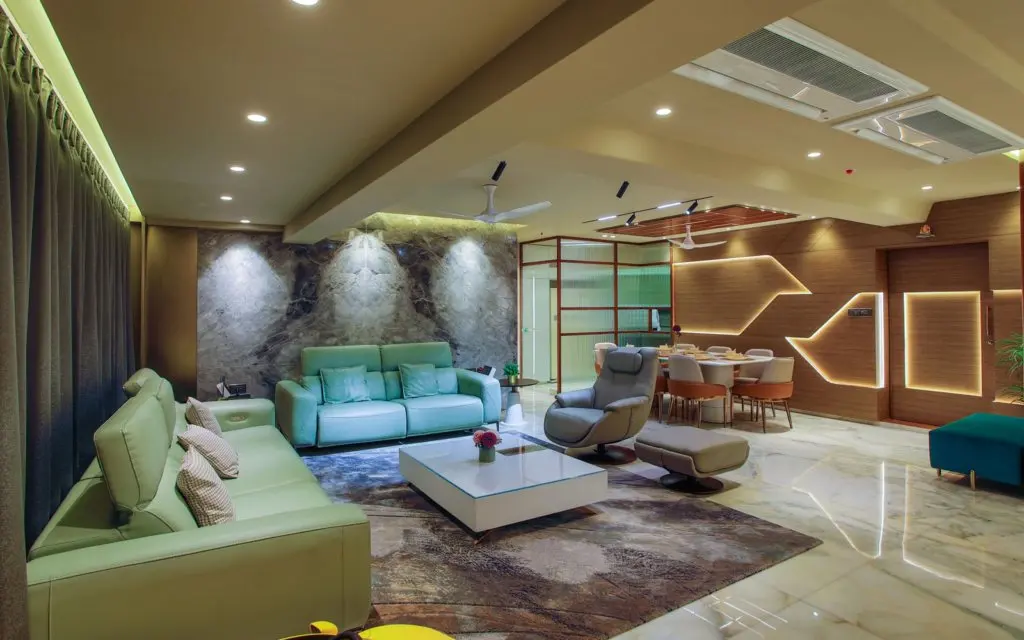
A second, related trend is the borrowing of residential design cues. Think soft seating, layered textiles, warm colour palettes, bookshelves and low ambient lighting — the visual vocabulary of a well-designed apartment rather than a corporate reception. The result is public areas that feel more like a friend's living room than a hotel atrium. There's a practical catch, though: these spaces have to survive high footfall, constant cleaning and heavy use, so designers are pairing a relaxed look with genuinely tough, commercial-grade finishes.
The third strand is arguably the most interesting for travellers: a stronger sense of place. Rather than slapping generic local motifs on the walls, designers are weaving regional materials, traditional craftsmanship and cultural references into colour schemes, textures, artworks and architectural details. Restaurants and bars get special attention here, since they often draw both guests and neighbourhood regulars, making them a natural bridge between the hotel and the community it sits in.
What does this mean if you're booking a trip? First, it's worth paying attention to a hotel's public spaces, not just the room photos. A lobby and restaurant that reflect local character can shape your whole impression of a destination — and they're often the most pleasant places to spend a rainy afternoon or a jet-lagged evening. Second, expect hotel restaurants and bars to feel more like standalone neighbourhood spots; many now welcome non-guests, so a property you'd never book can still be worth visiting for dinner. And third, the blurring of hotel and lifestyle space means you can increasingly find places that double as a workspace, a meeting point and a base, which is handy if you're travelling solo or mixing work with a holiday.
The designers behind the piece also make a point that's easy to appreciate: good hotel interiors shouldn't chase short-lived trends. Comfort, functionality, material quality and a clear identity age far better than whatever happens to be fashionable this season — which is exactly what you want from somewhere you're paying to stay.