Booking a flight and then cancelling it inside the 24-hour cooling-off window should be simple. For one seasoned traveller, it turned into a maze of postcode fields, call centre borders and a £2-per-minute phone bill — with the refund refused in the end.
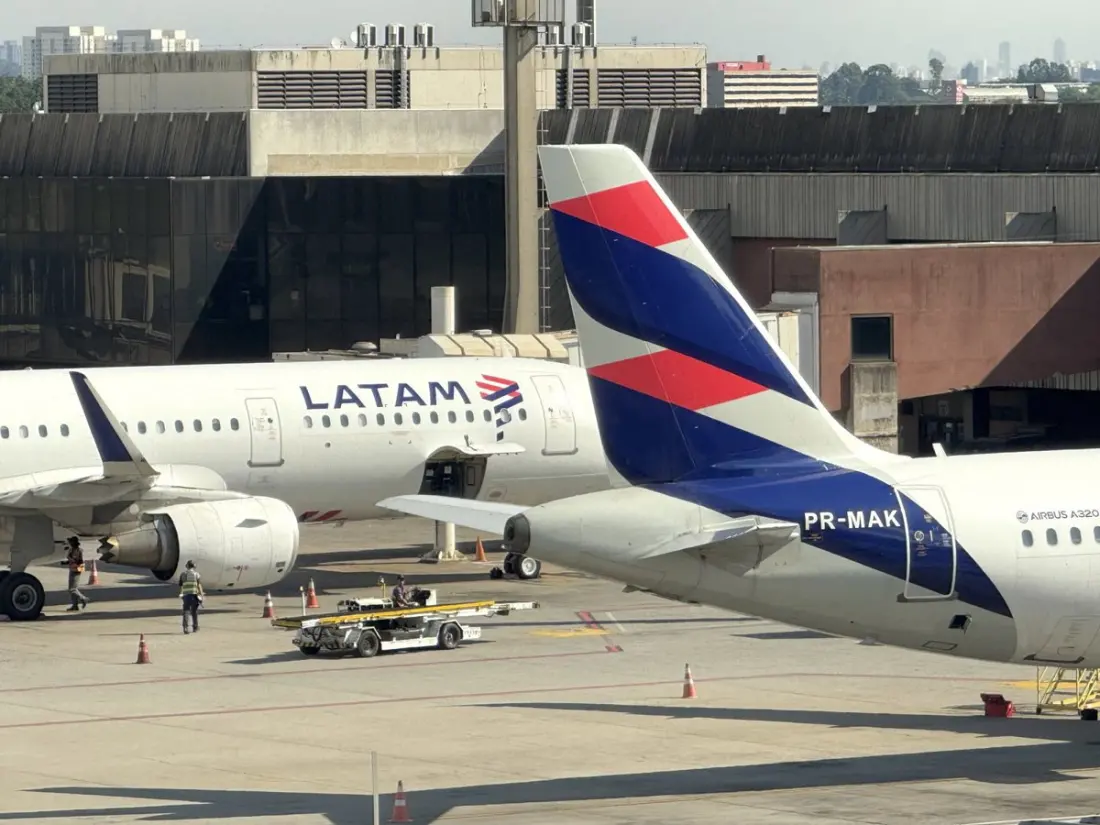
The trip in question was a family booking from Buenos Aires (EZE) to Santiago (SCL), made on LATAM's UK website in GBP. The traveller — who lives in Brazil but hasn't yet opened a local bank account due to immigration paperwork — later spotted a cheaper fare and tried to cancel within the 24-hour period.
The first snag came at payment. LATAM's Brazilian site, which would have been the easier route, accepts UK cards in principle but defaults to a numeric-only postcode field, since Brazilian postcodes (like US ZIP codes) contain only digits. A UK postcode with letters wouldn't fit, and entering just the numbers triggered a payment error. So the ticket had to be bought through the UK site instead — and that's where things unravelled.
When he called LATAM's Brazilian customer service line to cancel, the agent said nothing could be done: because the booking was paid in GBP through the UK website, only the UK call centre could issue the refund. By the time he reached that conclusion, the 24-hour window had closed. A backup plan failed too — his Brazilian phone can't make international calls, and topping up a UK SIM at £20 still wasn't enough, with calls costing £2 per minute and dropping after ten minutes on hold.
The frustration is understandable: he booked directly with the airline and called the airline directly, yet was bounced between regional offices until the deadline expired. He's stuck with the original tickets — usable, just not the deal he wanted — and notes that in-flight service on LATAM has always been excellent. The gap is on the ground, in customer service.
Why should travellers care? Two practical lessons. First, if you book a fare with a refundable cooling-off period, don't leave the cancellation to the final hours — regional call centre boundaries and payment quirks can eat your buffer fast. Second, if you're a foreigner living in or booking from another country, check whether the local site actually accepts your home-country card before assuming you can pay that way. US travellers will largely dodge the postcode problem, but UK and other alphanumeric-postcode cardholders may not.
The deeper issue is one many airlines share: siloed regional systems that treat a direct booking as if it belonged to a different company depending on currency and website. Until that changes, the burden falls on travellers to know which call centre owns their ticket — ideally before they need to call it.
Story first reported by One Mile at a Time.