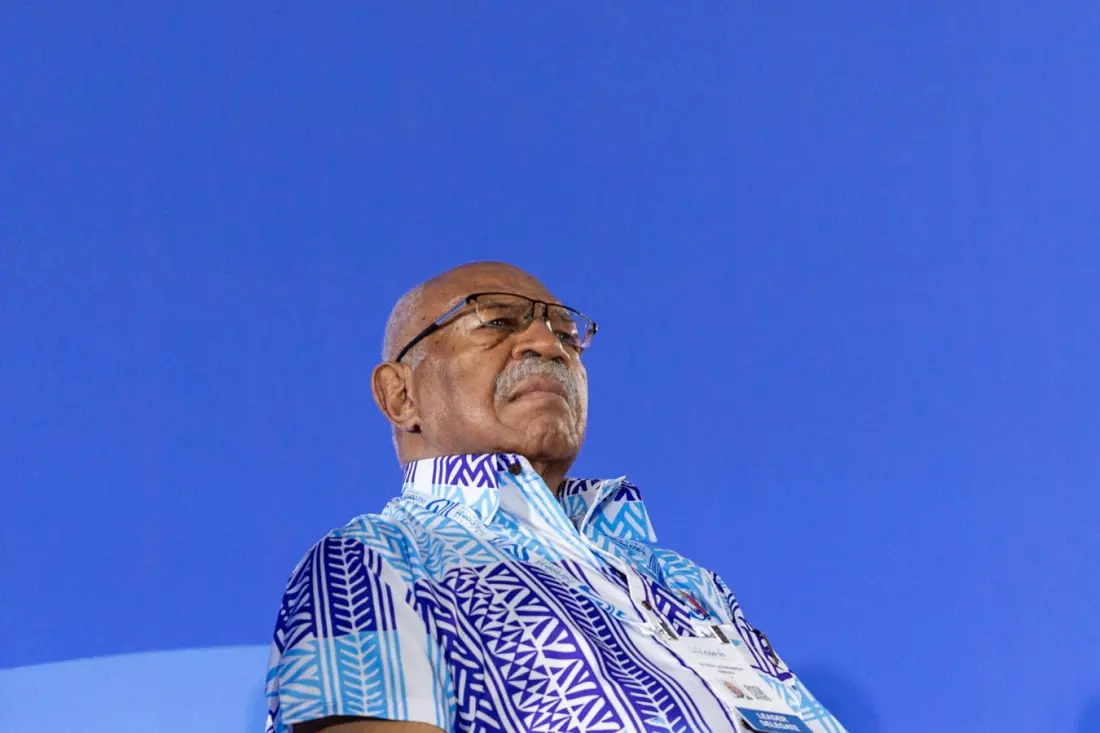
Standing before delegates at a pre-COP31 welcome ceremony, Fiji's Prime Minister Sitiveni Rabuka framed the Pacific's climate emergency as everyone's problem, not a distant island tragedy. He urged world leaders to keep the 1.5-degree warming target alive, channel climate finance to the communities that actually need it, and give the ocean itself formal recognition in climate negotiations.
Rabuka reached for Fijian tradition to make his point. He described the sevusevu, the ceremonial presentation of yaqona (kava), in which a visitor asks to be received and, once accepted, becomes bound to the host by mutual duty of care. That relationship, he suggested, should define how humanity treats the ocean and the planet: "We are all guests of this earth. None of us owns it, and none of us can leave it."
His central argument was that the Pacific functions as an early-warning system. Warming waters and El Niño patterns generated in the region travel outward, shaping rainfall, harvests, floods, droughts and fires on every continent. "What begins in our waters arrives in yours," he said. He pushed back against the idea of the islands as objects of pity, calling rising seas, water shortages and threats to food supply shared human risks instead.
He also introduced the concept of the Vanua, the Fijian understanding that land, sea and people form a single whole, so that damage to one part harms everything connected to it. And he pointed to Tuvalu, where delegates would soon stand on shores where the crisis is no longer a forecast: king tides at the door, salt contaminating gardens, and communities confronting the question of how long they can remain.
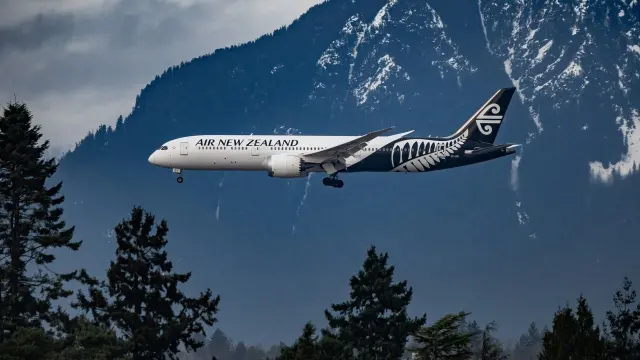
For travellers, the speech is a reminder that the Pacific's most alluring destinations — Fiji's reefs and resorts, Tuvalu's atolls — are on the front line of climate change. The same warming waters threatening food security and coastlines affect the coral, beaches and weather that draw visitors. Rabuka's call for talanoa, the Pacific tradition of open and honest dialogue, extends naturally to tourism: visiting respectfully, supporting local communities, and recognising that island hospitality comes with a fragile environment attached. Whether the region's 1.5-degree plea is heeded may determine what the Pacific looks like for the travellers of coming decades.