Sweet tea, fried chicken, Spanish moss — the postcard version of the American South is familiar everywhere. But the region spans 16 states plus Washington, D.C., and travellers who arrive with a fixed idea of what they'll find are usually in for a few surprises.
Start with the food, which is far more regional than generic "Southern" menus suggest. New Orleans, recently named America's best food city by Yelp and Lyft, runs on Creole and Cajun traditions: gumbo, crawfish étouffée, po'boys. Tampa and Miami lean Cuban. Even barbecue fractures by state and town — eastern North Carolina smokes whole hogs with vinegar and pepper, western parts of the state add sugar to the sauce, and east Texas wood-smokes pork and beef for buns slathered in sweet, spicy tomato sauce. Fine dining isn't an outlier either; Michelin-recommended and farm-to-table spots thrive in New Orleans, Atlanta and Charleston.
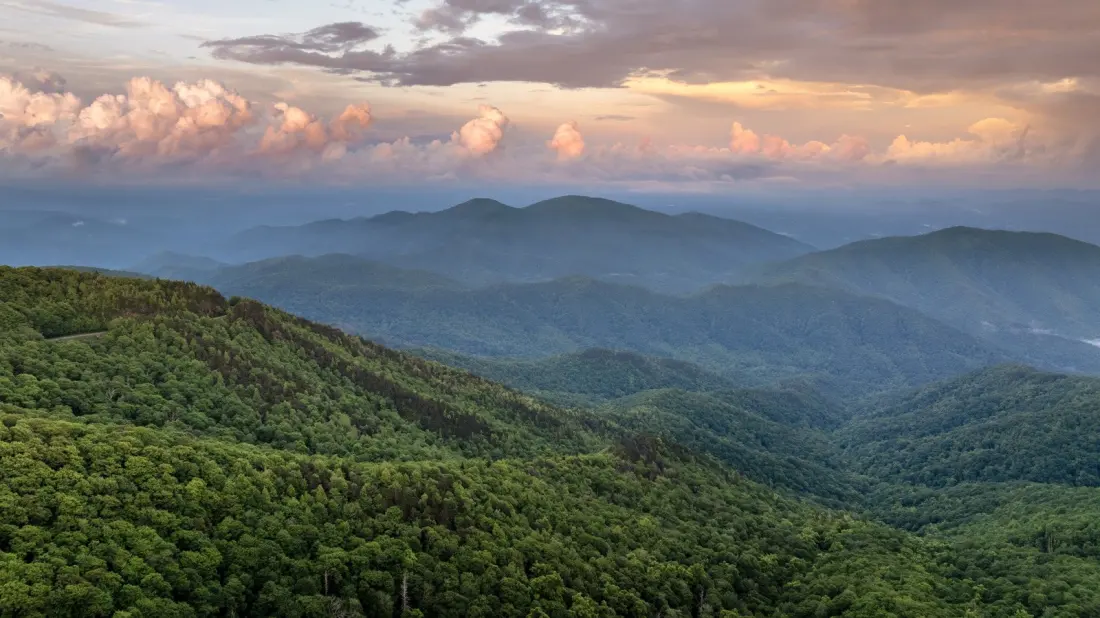
The weather deserves respect. Texas summers routinely top 100°F, and Louisiana's humidity can push the heat index toward 120°F. Hurricane season runs June through November, tornadoes are a real risk in Florida, central Texas, Tennessee and the Gulf Coast, and winters aren't reliably mild — Hot Springs, Arkansas can drop into the 30s. If summer is your only window, cooler picks include Asheville in the Blue Ridge Mountains and Virginia's Shenandoah National Park.
The outdoors range well beyond pastures and moss-draped oaks. Alabama's Gulf Coast towns deliver white sand and warm water, Arkansas hides hundreds of waterfalls including the 209-foot Hemmed-in Hollow Falls, Florida's Everglades shelter endangered wildlife, and Louisiana's bayous carry alligators, birds and thousand-year-old cypress.
Culture, not just scenery, takes adjusting to. Southern hospitality is genuine — expect "sir" and "ma'am," and don't be thrown by strangers calling you "honey" or "sugar." Life moves slower: eight of the ten slowest-talking US states are in the South, per a Preply analysis, and small talk is a local sport. Football is close to religion, with high school games on Friday, college Saturdays and NFL Sundays dominating late August through December — wear the right colours in a college town. And alcohol laws are a patchwork: New Orleans' French Quarter, Savannah's historic district and Memphis' Beale Street all allow open containers, yet Mississippi still has 34 dry counties, and some states restrict grocery stores to beer and wine or ban Sunday sales.
Two practical notes round it out. You'll almost certainly need a car — Charleston and Atlanta have walkable cores, but reaching Sullivan Island or the surrounding countryside without one is a chore. And the music goes well beyond country: the South gave the world blues, jazz, soul, gospel and rock, from Memphis' blues venues and Mississippi's music byways to the jazz clubs of New Orleans, plus stars from Ray Charles and Nina Simone to Dolly Parton and Beyoncé.
For anyone planning a first trip — a Nashville weekend, a Charleston city break or a Louisiana bayou road trip — knowing these quirks in advance turns confusion into part of the charm.