Australia's feral animals usually get bad press — and often for good reason. Millions of introduced pigs, camels, horses, goats, buffalo and deer chew through vegetation and compete with native wildlife, and governments spend millions each year shooting, poisoning and fencing them out. But a growing argument from conservation researchers adds an uncomfortable twist: some of these so-called pests are threatened or even extinct in the wild back home, and Australia has quietly become their last refuge.
The clearest example is the dromedary. Wild one-humped camels vanished from the deserts of North Africa and the Middle East roughly 2,000 years ago; the species survives only as a domesticated animal. When Australia imported camels to haul goods across the arid interior, then released them in the early 20th century, huge wild herds re-established — this time in the Australian outback.
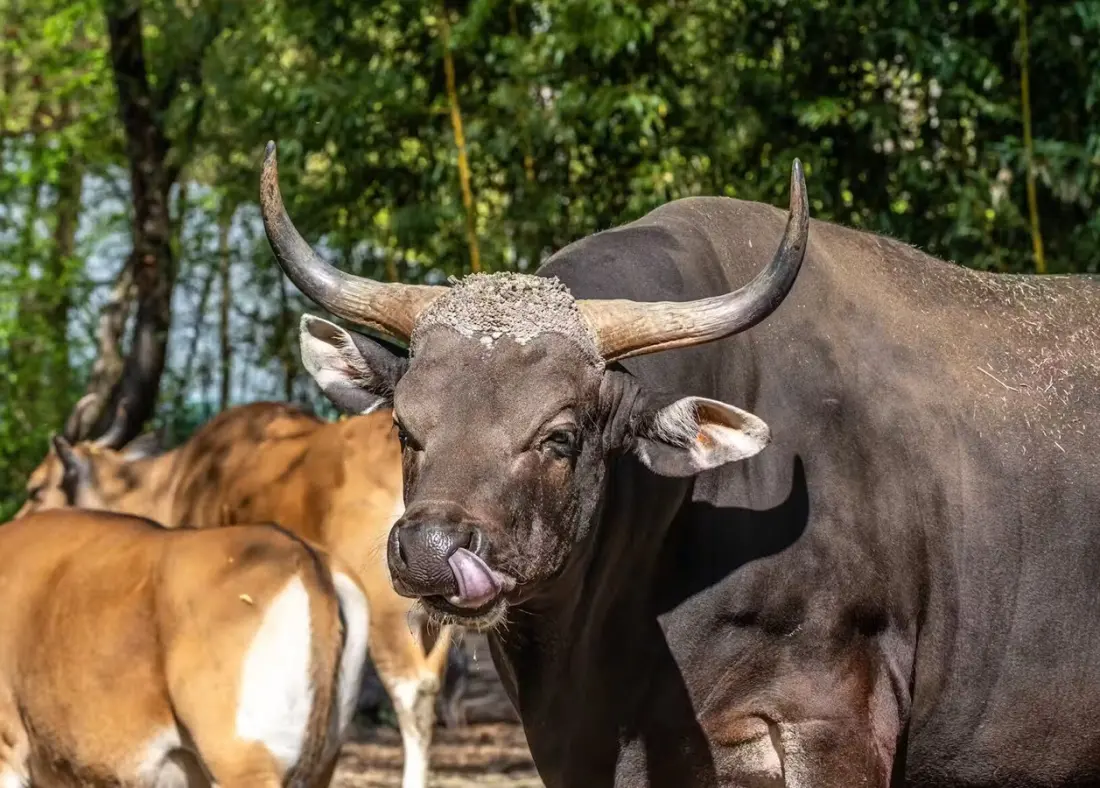
Banteng, a wild bovine from Southeast Asia, tell a similar story. Brought to the Cobourg Peninsula near Darwin in the 1860s to feed a short-lived British settlement, they were abandoned when the colonists left — and flourished. Hunted, diseased and squeezed by habitat loss in their native range, banteng are now critically endangered there, yet one of their strongest remaining populations lives in the Northern Territory. Add hog deer (endangered in South and Southeast Asia since their 1860s introduction to Victoria), plus vulnerable Javan rusa and sambar deer, wild water buffalo, donkeys and horses, and the pattern is hard to ignore. Globally, about half of all introduced megafauna species are threatened or extinct in their original homes.
Researchers argue the answer isn't blanket protection — nobody is proposing saving Australia's rabbits, endangered in Western Europe but devastating to outback soils. The real point is nuance. Eradication of widespread, long-established species is essentially impossible anyway, and management has already drifted towards containment and damage reduction without anyone saying so out loud. A bolder approach, the researchers suggest, would ask whether feral herds are the true drivers of environmental damage or just passengers of broader changes — fragmented habitats, expanding farms, and the loss of First Nations fire management — and target culling money at the actual causes.
For travellers, there's a genuinely striking idea here: Australia might be the best — or only — place on the planet to see wild dromedaries, banteng and hog deer roaming free. Camel tracks crisscross the Red Centre, banteng persist in Garig Gunak Barlu National Park on the Cobourg Peninsula, and hog deer hang on in coastal Victoria. That doesn't erase the ecological cost of these animals, but it reframes the outback as more than a landscape in decline. It's also an unexpected refuge where some of the world's rarest large mammals are, against the odds, recovering.
Full analysis via Australian Geographic.