America's National Scenic Trails have a reputation for chewing up first-timers, but Wisconsin's Ice Age Trail breaks the mould. One recent end-to-end hiker came away calling it the ideal beginner thru-hike — a route where you can leave your navigation skills, your bear canister anxiety and even your stove at home.
The trail's biggest selling point is how well it's looked after. Marking is generous enough that getting lost is genuinely difficult, the tread is in excellent shape, and there are no permits to arrange. Because Wisconsin is flat — the trail averages around 1,100 feet of elevation — your lungs get an easy ride too. Phones mostly hold a signal, county and city park pavilions offer charging spots, and in the central and eastern sections you're rarely far from a proper toilet. Towns and gas stations sit close to the route, so resupply boxes are unnecessary: buy food as you go and keep your pack light.
Gear-wise, a late-July start means warm, humid conditions around the clock. The hiker found a 15°F sleeping bag was total overkill — a bag liner carried them through to mid-September — and a stove never earned its place in the pack. The annoyances are real, though: ticks in late July, mosquitoes and deer flies into mid-August, and the constant hum of distant traffic, since you're never truly in the wilderness. There's also wild parsnip, an invasive plant whose sap causes chemical burns on skin exposed to sunlight, so it's worth knowing what it looks like.
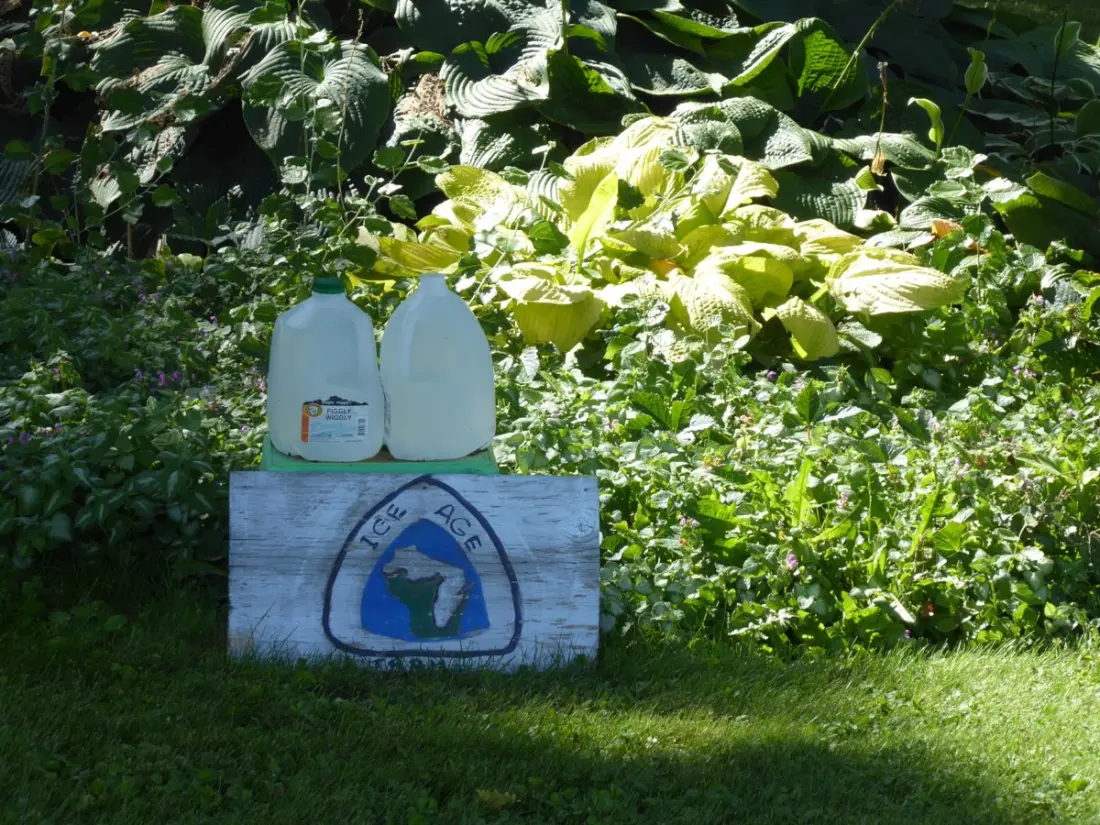
Water is the trail's weak spot. Low elevation and surrounding farmland mean sources often taste earthy, sulphurous or faintly metallic — hikers on the FarOut app have compared one lake's water to Guinness. The writer's advice boils down to: filter everything, flush neglected spigots before drinking, and don't be precious about flavour.
On direction, the writer hiked eastbound to finish on the shores of Lake Michigan, but argues westbound is smarter for most people. The western section's longer stretches between facilities mean you'll have your trail legs before the big-mileage days arrive, and by week three your body has adjusted to the demands of hiking. Going east, your first week includes a 20-mile and a 28-mile road-walk with no camping or lodging, plus restricted camping through the Kettle Moraine State Forest, where dispersed sites are first-come, first-served and bookable shelters fill up fast.
Road-walks — the "connecting routes" that link trail segments — are the IAT's defining quirk. FarOut shows blazed trail in blue and unmarked roads in green; heading west from the trail's central bifurcation means tackling a 75-mile unbroken green line. The writer admits to shortcutting a few of these, trimming roughly 50 miles, and notes the trail is highly customisable — a feature, not a cheat.
For anyone dreaming of a long-distance hike without the permit lotteries, wildfire smoke or altitude of the bigger-name trails, the Ice Age Trail is a gentle, well-supported on-ramp. Just bring bug spray, a water filter you trust, and realistic expectations about road walking.