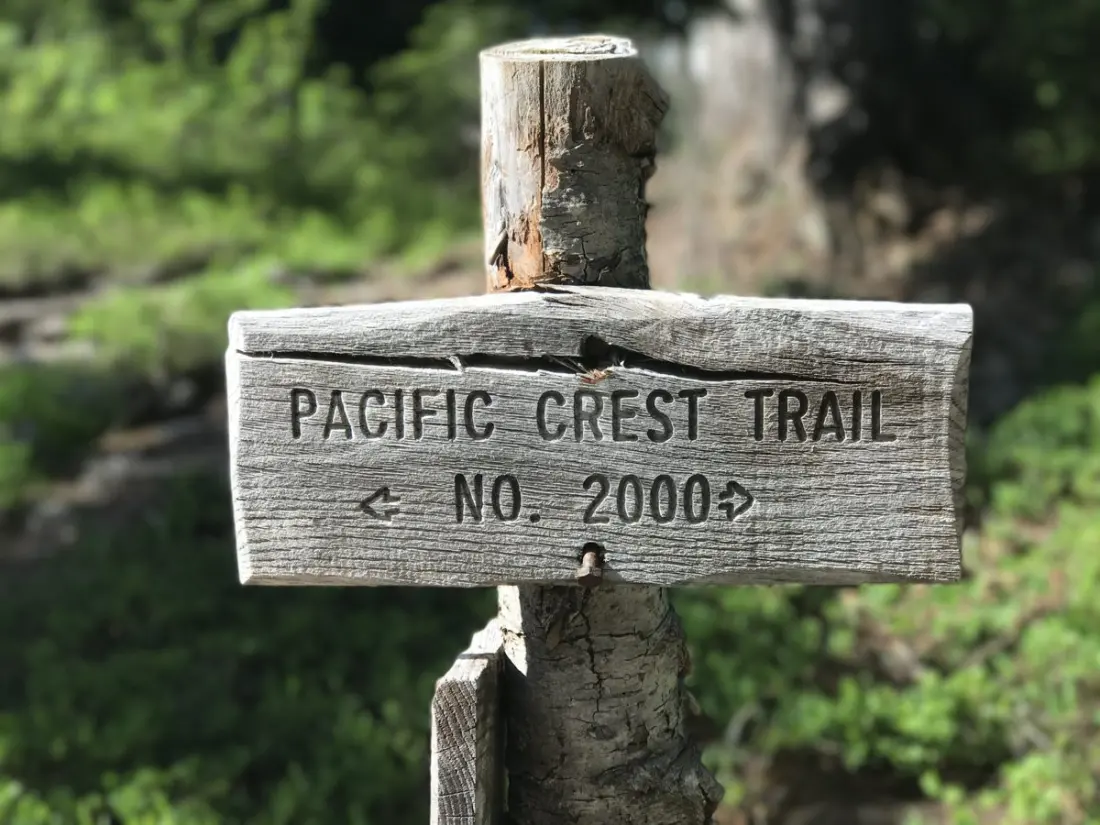
The Pacific Crest Trail Association has locked in a new decade-long agreement with the government agencies that oversee the famous 2,650-mile route from Mexico to Canada. The deal is a Memorandum of Understanding signed with the USDA Forest Service, the National Park Service, the Bureau of Land Management and California State Parks.
It is not the first time: the nonprofit has struck similar agreements in 1993 and 2015. The paperwork is formal but nonbinding, spelling out who does what in maintaining and managing the trail. According to PCTA trail operations director Justin Kooyman, the document clarifies the roles and responsibilities on both sides. Marketing director Chris Rylee told The Trek that the substance has not changed much — the notable shift is that the new version more explicitly names the PCTA as a collaborative manager, which should smooth the working relationship with agency partners.
The arrangement traces back to the 1968 National Trails System Act, which created the framework for public-private partnerships on America's national trails and formally recognised the role volunteers and nonprofits play in keeping them in shape. PCTA administrator Linsey Steinwachs put it simply: the trail runs on a community of volunteers, agencies and supporters who maintain, protect and preserve it.
Why should a hiker care? Because this is the machinery behind the trail you actually walk. The PCT crosses 25 national forests and seven national parks, and much of its upkeep — clearing fallen trees, repairing tread, maintaining water sources in the dry Southern California sections — depends on this kind of coordinated effort between the PCTA's volunteer crews and federal land managers. A stable 10-year agreement means fewer bureaucratic surprises and more consistent trail conditions for the thousands of thru-hikers and section hikers who set out each year, most aiming to start in April at the Mexican border and finish in Washington by early autumn.
If you have ever considered tackling even a chunk of the PCT — the Sierra Nevada stretch through Yosemite and Kings Canyon, or Washington's glaciated North Cascades — deals like this are part of why the route stays walkable at all..source: The Trek