Brittany has more to offer than the obvious seaside postcards. A recent round-up of under-the-radar spots highlights five places across the region that deliver coast, history and serious food without the crowds.
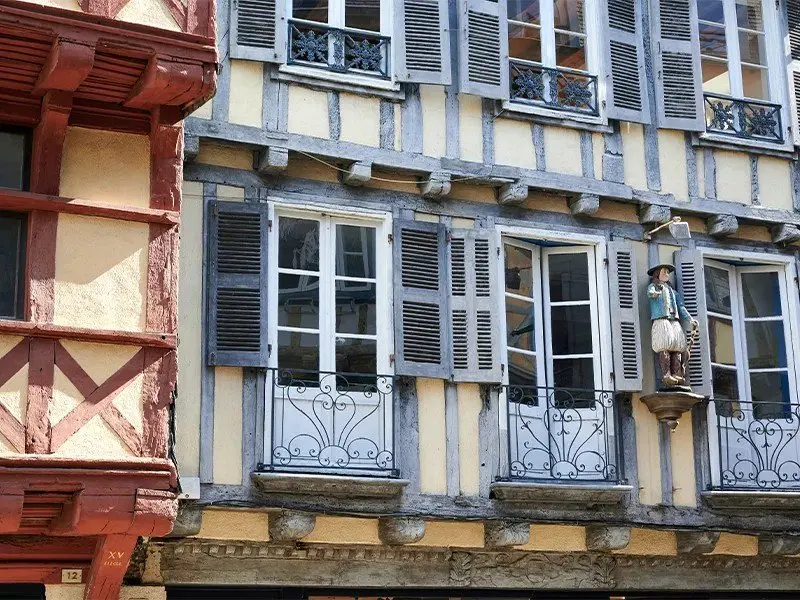
Start inland-ish in **Quimper** (Finistère), the region's traditional capital of craft. Cobbled lanes lined with colourful timbered houses lead to café-filled squares — Place Terre au Duc for people-watching, Place au Beurre for crêpes. The twin-spired cathedral hides a quirk: walk to the far end, turn around, and you'll spot a noticeable kink in the line. Quimper has produced its famous glazed earthenware, faïence, since 1690; HB-Henriot's hand-painted blue-and-yellow bowls with 'ears' are instantly recognisable, and the Musée de la Faïence in the Locmaria district tells the story.
Northwest of Brest, **Les Abers** is a tideway landscape where massive tidal swings expose vast misty sand flats, and where lighthouses cluster more densely than anywhere else in Europe. Drive the Route des Phares, ride the V45 cycle trail or walk the GR34, starting at Europe's tallest light, Île Vièrge (open April–October), and finishing at Pointe Saint-Mathieu, open year-round, where abbey ruins sit beside a WWII museum in a former German bunker. Hungry? The Hostellerie de la Pointe Saint-Mathieu holds a Michelin star — chef Nolwenn Corre was the first woman in Finistère to earn one.
On the north coast, **Paimpol** halfway between Roscoff and Saint-Malo is a former cod-fishing powerhouse — once France's top offshore port, with 80 schooners at sea six months at a time — now a relaxed harbour town with 1500s half-timbered houses, a Tuesday market and a thriving gallery scene. The bay is shellfish country: 'paimpolaise' oysters, scallops and crab from late September to April, and the prized blue Loguivy lobster from June. Nearby, the sea-facing ruins of the Abbaye de Beauport make an easy excursion.
**Vitré**, 40km east of Rennes, looks like a film set — higgledy rooftops, timbered façades and streets where merchants once flaunted wealth by painting their houses green, the priciest pigment. The Château de Vitré, all turrets and ramparts, holds a museum of the Barons of Vitré with sacred gold artefacts and a cabinet of curiosities. Order the local roulade Sévigné: guinea fowl stuffed with mushrooms, walnuts and apples.
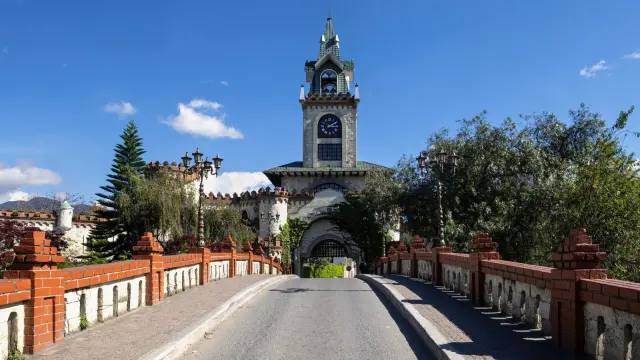
Finally, **Sarzeau** sits mid-way along the Rhuys Peninsula south of Vannes, a 10km strip of beaches, rocky coast and salt marshes edging the Gulf of Morbihan. Walking and cycling trails criss-cross it, boats run to the Île aux Moines (an 18km coastal circuit), and the restored Château de Suscinio — a Dukes of Brittany residence — offers parapet walks and even crossbow sessions. Cheese fans can visit the Tome de Rhuys farm for free tastings.
Why it matters: none of these require more than a day's detour from a classic Brittany road trip, and each pairs well with the shoulder season, when light, markets and tables are at their best.