
Autumn might be the smartest time to see Europe by rail: fewer crowds, cooler air and forests doing their best work of the year. Rail operator JR Pass ranked the continent's most photogenic fall routes using online ratings, Instagram data and seasonal weather stats, and the results run from Alpine peaks to citrus groves.
Top of the list is Switzerland's GoldenPass Line, a 191km ride from Montreux to Interlaken on railways dating back to the 1890s. Expect Lake Geneva, views towards Mont Blanc, the Matterhorn and the Eiger, plus the medieval Château de Chillon and the Tsanfleuron Glacier at around 3,000 metres. Just over half of autumn days bring clear skies, and second-class tickets cost roughly €60 with no seat reservation needed.
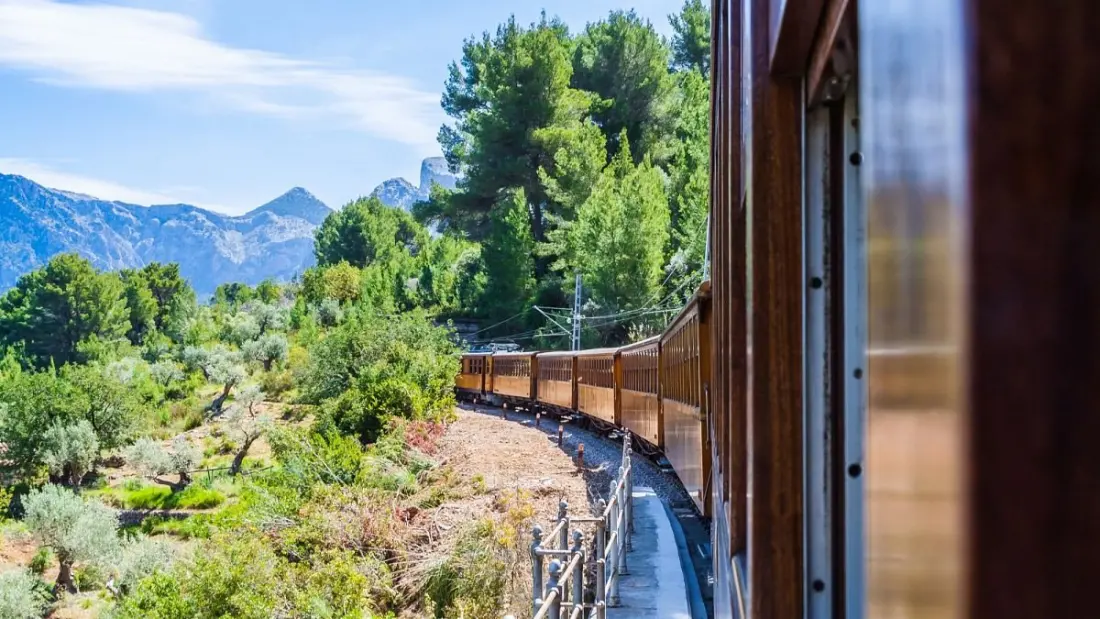
For warmth, Spain's Tren de Sóller on Mallorca runs between Palma and Sóller in original 1912 wooden carriages, winding through the Tramuntana mountains and orange groves. The station at Sóller doubles as a small gallery with original Miró and Picasso works, and return tickets are €40. Bulgaria's Rhodope Narrow Gauge Railway takes third place: 125km linking the Gornotrakiyska Valley with the Rhodope and Pirin mountains, past golden beech forests and villages that feel untouched by the 21st century. Autumn averages just five rainy days, with day tour packages from €79.
Austria claims the last two spots. The Semmering Railway, the world's first standard-gauge line over a high mountain pass, runs 36 minutes between Gloggnitz and Mürzzuschlag past stone viaducts and carved tunnels for as little as €10. The Schneeberg Railway, one of Europe's last cog railways, climbs to 1,800 metres at Hochschneeberg; stop at Baumgartner station for jam-filled buchteln sweet rolls. One-way adult fares start at €33.50 in low season.
If Europe isn't far enough, Japan's Sagano Romantic Train in Kyoto topped an InsureandGo eye-tracking study of the world's most attractive rail scenery. The 25-minute open-sided ride along the Hozu River past the Arashiyama bamboo forest is at its best when the maples turn red and gold.
Why it matters: travelling in shoulder season sidesteps summer heat, overtourism and peak prices, and trains let you watch the colour change without driving a single kilometre. This suits slow travellers, photographers and anyone who'd rather gaze out a window than queue for a viewpoint.