Hawaii hands out its first etiquette lesson at the luggage carousel. Buy the wrong sunscreen before your flight and you're technically in violation of state law before your holiday has begun — and that's just one of the local rules newcomers tend to trip over in their first ten minutes.
Start with the sunscreen. In 2021 Hawaii banned the sale of sunscreens containing oxybenzone and octinoxate, chemicals linked to coral bleaching and DNA damage in reefs. Maui County went further, banning the sale and use of non-mineral sunscreens without a prescription, with fines of up to $1,000. The catch: some products marketed as "reef-safe" still don't comply. Check the label for mineral filters — zinc oxide or titanium dioxide — and buy before you go.
Wildlife is the next trap. Sea turtles bask on the sand and monk seals haul out within sight of the roads, but they're protected species. The rules are specific: stay 50 feet from monk seals, a full 150 feet from pups, 10 feet from sea turtles, 50 yards from spinner dolphins and 100 yards from humpback whales. No petting, no feeding, no selfies — even if the animal comes to you.
Then there's pacing. Hawaii runs slower, and locals notice mainland impatience immediately. Traffic is genuinely bad — the state was ranked America's worst for driving in 2026 — but honking out of frustration is considered rude; save the horn for emergencies and a quick courtesy beep at most. Servers, shopkeepers and post office staff may stop to chat, and that's normal, not poor service.
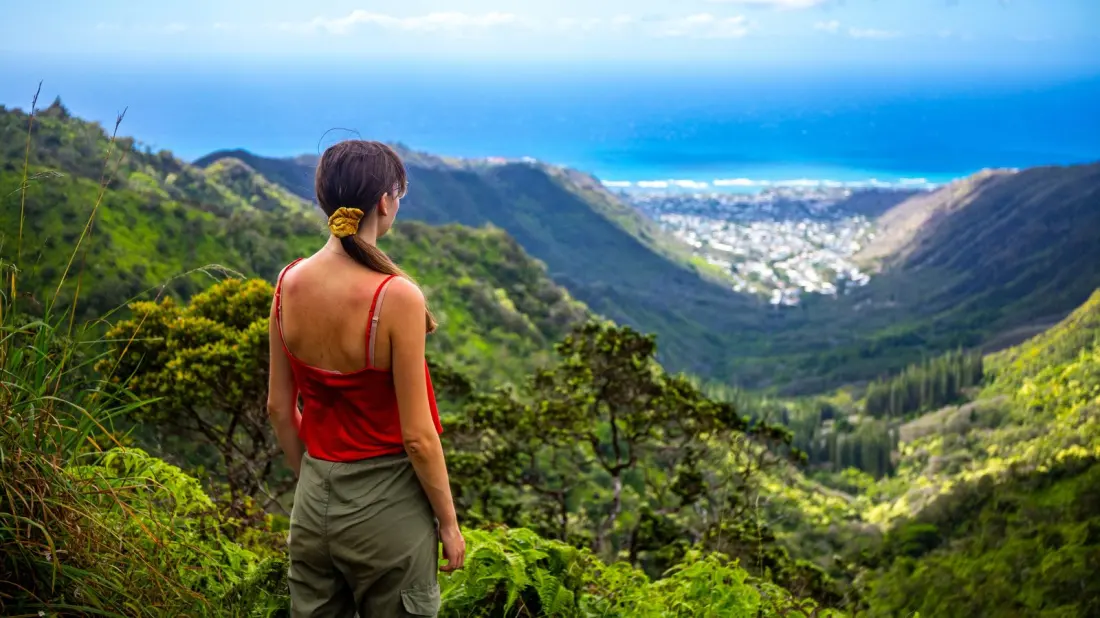
The bigger mindset shift is remembering that Hawaii isn't a theme park. It's a state with more than a million residents, most of whom aren't in tourism. That means not hopping fences for cliff photos, not walking over sacred burial sites, and not stopping mid-lane for the overlook you saw on Instagram. Lava rocks and bagged sand make tempting souvenirs, but removing them is illegal — and US wildlife inspectors can confiscate them at departure.
Finally, a little homework goes a long way. Locals wear flip-flops — called "slippers" — year-round, everywhere from restaurants to casual events, so pack a pair. Learn a couple of words like mahalo. Know roughly what you're ordering at a roadside truck, whether that's poke or Spam musubi. And don't joke your way through Hawaiian place names or mimic the accent; treating the language as a punchline is one of the fastest ways to alienate the people hosting you.
None of this makes Hawaii unwelcoming — visitors are asked for directions constantly and locals are generally glad to help. The point is simpler: arrive as a guest rather than a consumer. Pack mineral sunscreen, keep your distance from the wildlife, slow your driving and your expectations, respect closed trails and sacred sites, and learn a word or two of the local language. Do that and you'll not only avoid fines and awkward moments — you'll likely get a warmer reception, better tips from locals, and a better trip overall.