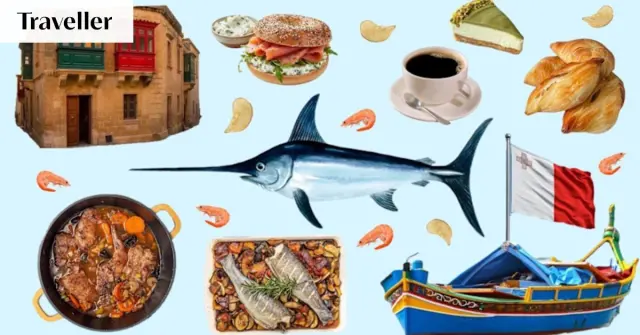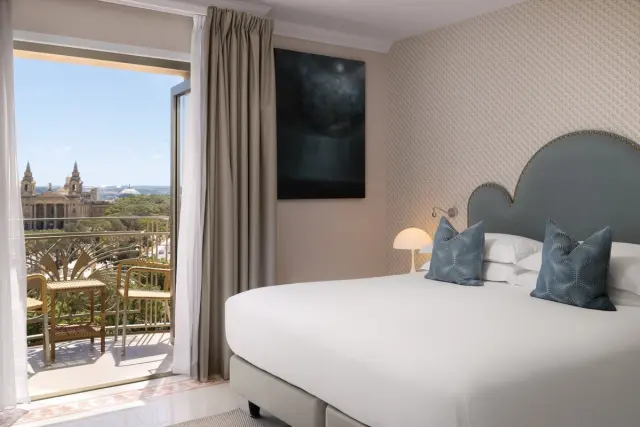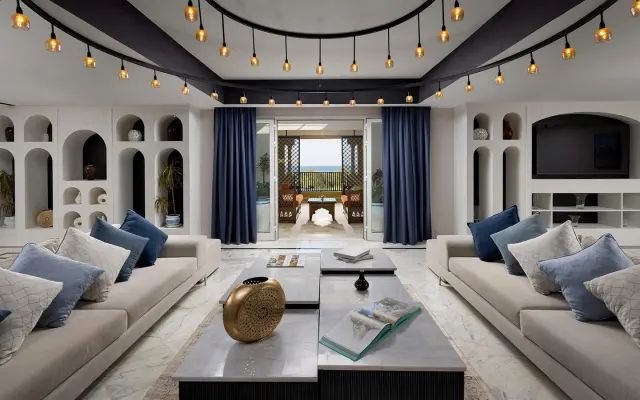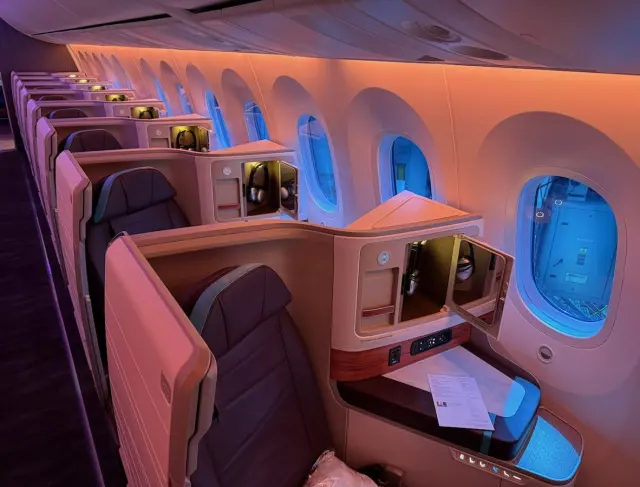
Malta punches well above its weight for a country you can drive across in under an hour. The archipelago — Malta, Gozo and Comino — sits mid-Mediterranean, and that location has turned it into one of the region's busiest cruise ports as well as a destination in its own right.
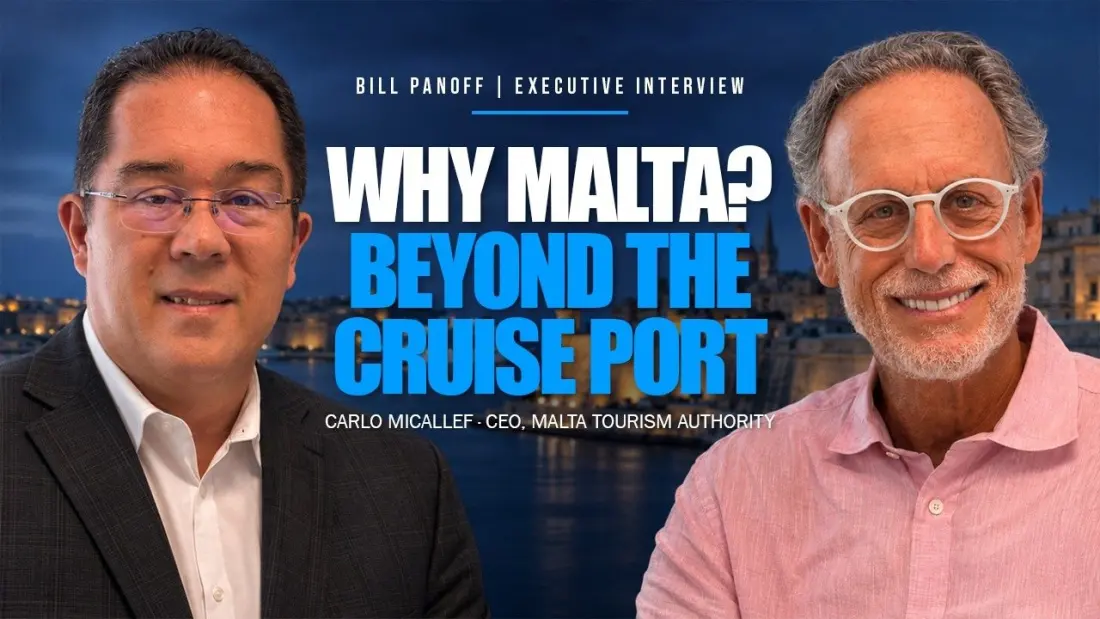
In a recent conversation with Porthole Cruise and Travel, Carlo Micallef, chief executive of the Malta Tourism Authority, made the case for why the islands keep drawing ships and repeat visitors. His argument rests on a few pillars: an extraordinary concentration of ancient history, small villages that still feel genuinely local, and clear blue water that anchors the coastal experiences — boat trips, swimming coves, harbour crossings — that cruise passengers build whole days around.
That history is the headline act. Valletta, the capital, is a UNESCO World Heritage site built by the Knights of St John, and it's walkable from the cruise terminal. Add megalithic temples older than Stonehenge, the walled Silent City of Mdina, and the war-time story woven through the islands, and you get a density of sights most far larger countries can't match.
Micallef also flagged two themes shaping Malta's tourism strategy. The first is spreading visitors beyond the established hotspots — pushing cruise guests and short-stay travellers towards Gozo, rural villages and lesser-known coastal spots to ease pressure on Valletta and the main resorts. The second is sustainability: Malta's size means tourism volumes matter, and the authority is framing future growth around protecting what makes the islands attractive in the first place.
For travellers, the practical appeal is obvious. Malta works as a cruise port of call, as a fly-and-stay destination, or as a base for an island-hopping trip — Comino's Blue Lagoon and Gozo's dive sites are short ferry rides away. English is an official language, the currency is the euro, and the Mediterranean climate stretches the season well beyond summer.
Who is this for? Cruise travellers planning a Mediterranean itinerary who want a port where the highlights are genuinely reachable in a day. Also couples and culture-first holidaymakers looking for a compact European break with history, swimming and food packed close together — especially in shoulder season, when the crowds thin and the sea is still warm.