If the idea of fighting through crowds in Tenerife or paying January prices in the Caribbean fills you with dread, there are alternatives. Travel experts have flagged five destinations that deliver winter sunshine without the queues — some closer to home than you might think.
Nicaragua tops the list as Central America's overlooked all-rounder. It packs in surf beaches on the Pacific coast, colonial cities like Granada and León, and volcano hikes — including a look into the glowing crater of Masaya. Ometepe island, in the middle of Lake Nicaragua, offers volcano trails plus indigenous communities with centuries-old petroglyphs and craft traditions. The pitch is simple: what Costa Rica offers, at lower cost and with fewer people. The dry season runs December to April, with Pacific coast temperatures of 28-33°C, though travellers should check FCDO advice before booking.
For a Caribbean trip with substance, Dominica stands apart from the region's resort-and-sunlounger model. Seventy per cent of the island is forested and 14% is national park, including Unesco-listed Morne Trois Pitons with its steaming Boiling Lake. The 115-mile Waitukubuli National Trail — the Caribbean's longest hiking route — splits into 14 sections you can walk separately or tackle as a full island crossing. Divers have a rare draw too: a resident sperm whale population, now protected by the world's first marine reserve dedicated to the species, established in 2025. The island is also home to the Kalinago, the largest surviving indigenous community in the Caribbean. January to April brings 27-30°C and mostly dry days.
Tunisia is the surprise package for culture lovers. Beyond the beach resorts, Tunis has an atmospheric medina and a growing contemporary scene, while Sidi Bou Said offers whitewashed houses, blue doors and Mediterranean views. History runs deep — Carthage's remains date to its destruction by Rome in 146 BC, and Phoenician, Roman, Arab, Ottoman and French layers are all visible. Star Wars fans can seek out locations from the original film. Winter sightseeing is comfortable rather than hot: 15-20°C in the north from February to March, with a much shorter flight than long-haul options.
In South America, Uruguay makes a case for itself over its famous neighbours. It's compact and considered among the continent's safest countries, meaning no internal flights needed. The itinerary runs from boutique vineyards like Cordano and El Legado to Montevideo's food and culture, finishing on golden Atlantic beaches. Summer falls November to March, at 25-32°C.
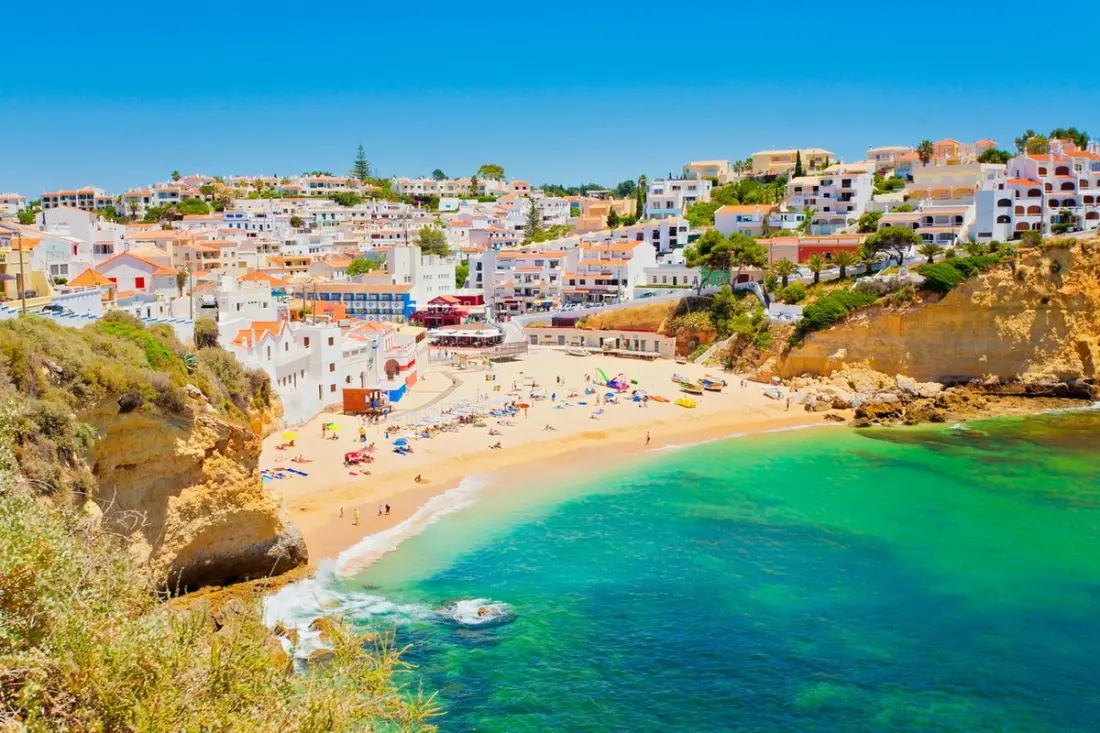
Finally, if long-haul isn't on the cards, Portugal's Algarve earns a winter slot. February averages 17°C with less rain — enough for alfresco lunches, empty beaches and coastal walks without summer crowds. Standout stays include the five-star W Algarve in Albufeira and the newly renovated Octant Praia Verde in the east, set among pine forest with private heated plunge pools. Off-season activities range from dolphin-watching trips to salt pan and oyster farm visits.
Whether you want volcanoes, rainforest hikes, Roman ruins, vineyards or just a quiet beach in February, there's a winter sun option here that skips the usual playbook.