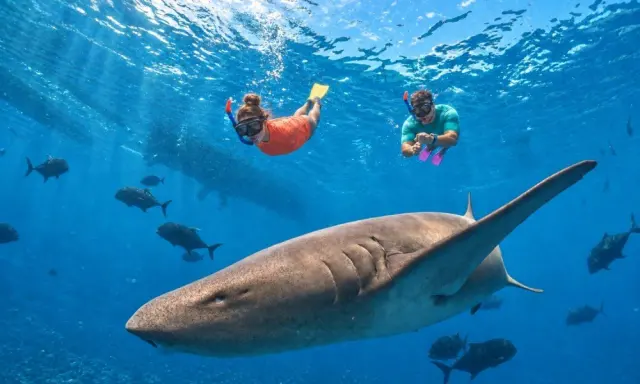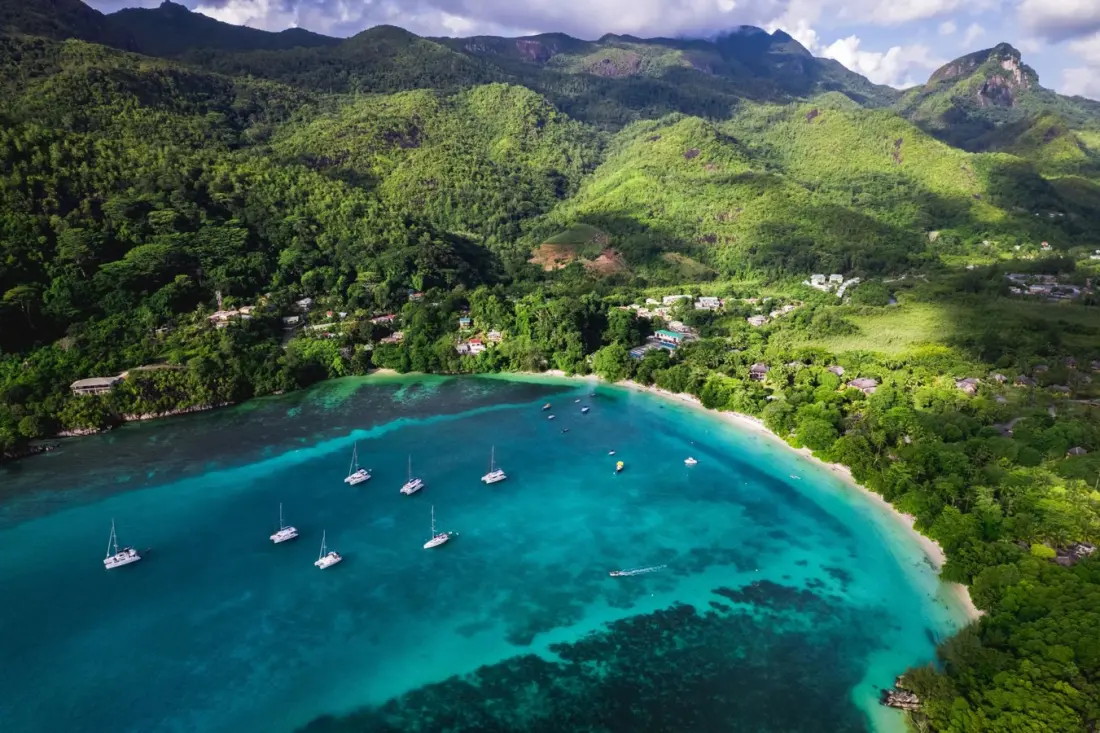
The Seychelles has 115 islands, and the most interesting scenery isn't on the sand. Beneath the surface, granite boulders, coral reefs and seagrass meadows support turtles, reef sharks, eagle rays and clouds of tropical fish — and you don't need scuba gear to see a lot of it.
Most trips start on Mahé, where the underwater granite formations create swim-throughs and sheltered pockets teeming with fish. Just offshore, Sainte Anne Marine National Park — established in 1973 and the first marine national park in the Indian Ocean — offers shallow reefs and seagrass beds ideal for snorkellers, plus glass-bottom boat trips if you'd rather stay dry.
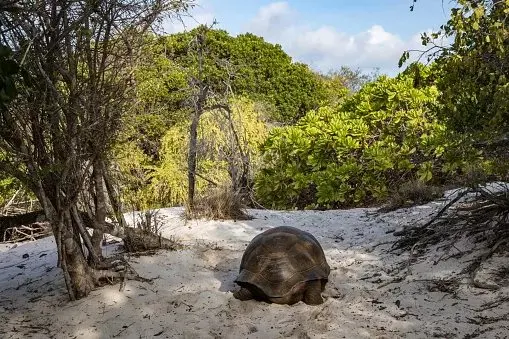
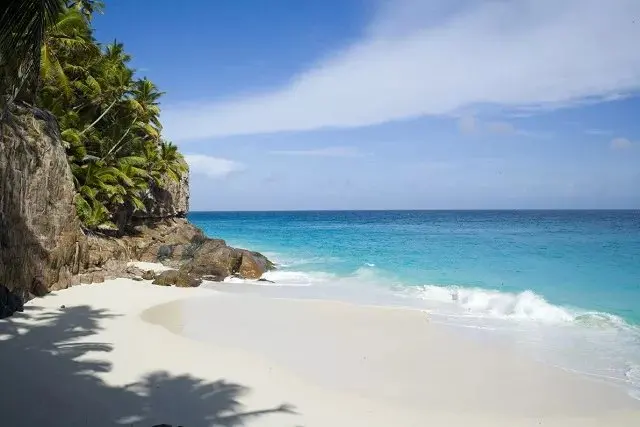
Praslin and La Digue pair their famous beaches with solid snorkelling. Trips around Praslin explore nearby reef habitats, and Curieuse Island adds a land-based bonus: giant Aldabra tortoises. On La Digue, sheltered bays can be great when conditions align, but the sea isn't always as calm as it appears. Currents can turn certain spots risky, so it's worth relying on local guides to point you to safe locations.
For serious divers, the real prize lies further afield. The Outer Islands, particularly around the Amirantes group, feature coral formations and steep drop-offs dropping into the deep Indian Ocean. Depending on the site, you might see reef sharks, eagle rays, turtles and schooling fish in open blue water. Most of these sites need a liveaboard or specialist dive trip — better for experienced divers with time on their hands.
Then there's Aldabra. This remote UNESCO World Heritage Site is one of the largest raised coral atolls on the planet, famous for its giant tortoises and its lagoon and reefs full of marine life. Access is tightly restricted and requires specialist planning, so it's not something you bolt onto a beach holiday casually.
Timing matters. April, May, October and November generally bring calmer seas and better visibility. The southeast trade winds (roughly May to September) can rough up some coastlines, while the northwest monsoon (about November to March) shifts wind and rain patterns. Conditions differ between islands, so check with local operators before you book — and remember that wildlife sightings are never guaranteed. That's nature, not a rip-off.
One thing worth taking seriously: these reefs are under real pressure from warming seas, pollution and physical damage. Choose responsible operators, keep your distance from turtles, never touch or stand on coral, skip feeding the fish, and follow local guidance on currents and protected zones. The reefs aren't just a photo backdrop — they support the marine life and help shield the islands themselves.
The Seychelles will always draw you in with its beaches. What makes it memorable is what happens when you put a mask on and stay still long enough for the shoreline to fade away.