If the grey days have you scrolling flight deals, a batch of under-the-radar winter sun picks from travel experts suggests looking beyond the usual Costa Rica-Caribbean-Marrakesh circuit.
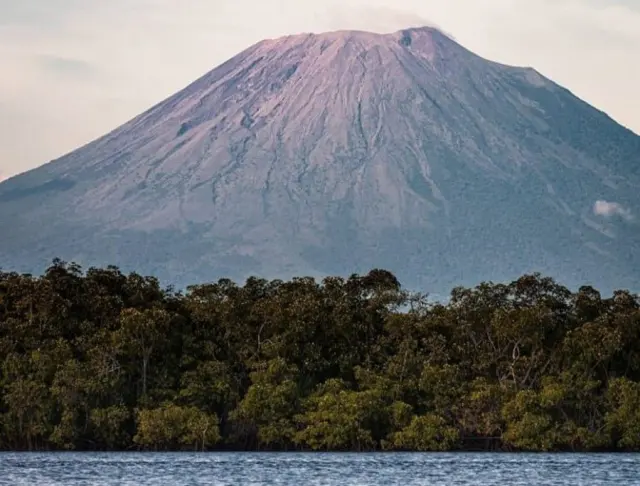
Topping the list is Nicaragua, which one specialist calls a highlights reel of Central America: surf beaches on the Pacific, colonial cities like Granada and Leon, and volcano hikes on Ometepe island, whose indigenous communities maintain centuries-old traditions and ancient petroglyphs. You can even peer into the glowing crater of Masaya Volcano. The pitch is simple: everything Costa Rica offers, minus the crowds and at a lower price. December to April brings 28-33°C on the Pacific coast, though drought linked to El Nino is worth monitoring, and travellers should check current FCDO advice.
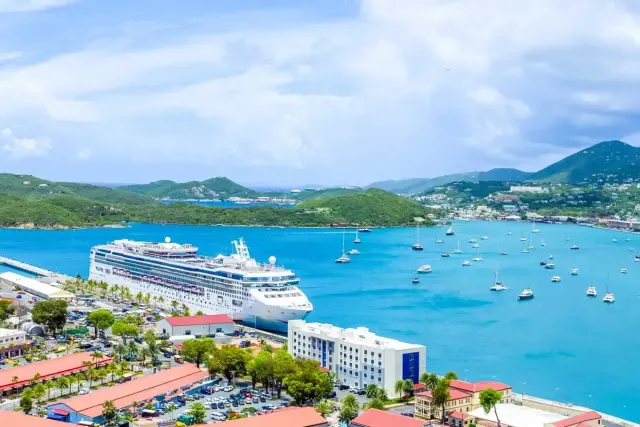
For something wilder, Dominica sits between Guadeloupe and Martinique but couldn't be more different from the resort-caribbean stereotype: 70% forested, with 14% protected as national parks. The 115-mile Waitukubuli National Trail is the Caribbean's longest hiking route, and Unesco-listed Morne Trois Pitons National Park hides the Boiling Lake. The island is also home to the Kalinago people, the largest remaining indigenous Caribbean population, and a resident community of sperm whales — you can dive or take boat trips to see them. In 2025 Dominica created the world's first marine reserve dedicated to whale protection. January to April is dry season, around 27-30°C.
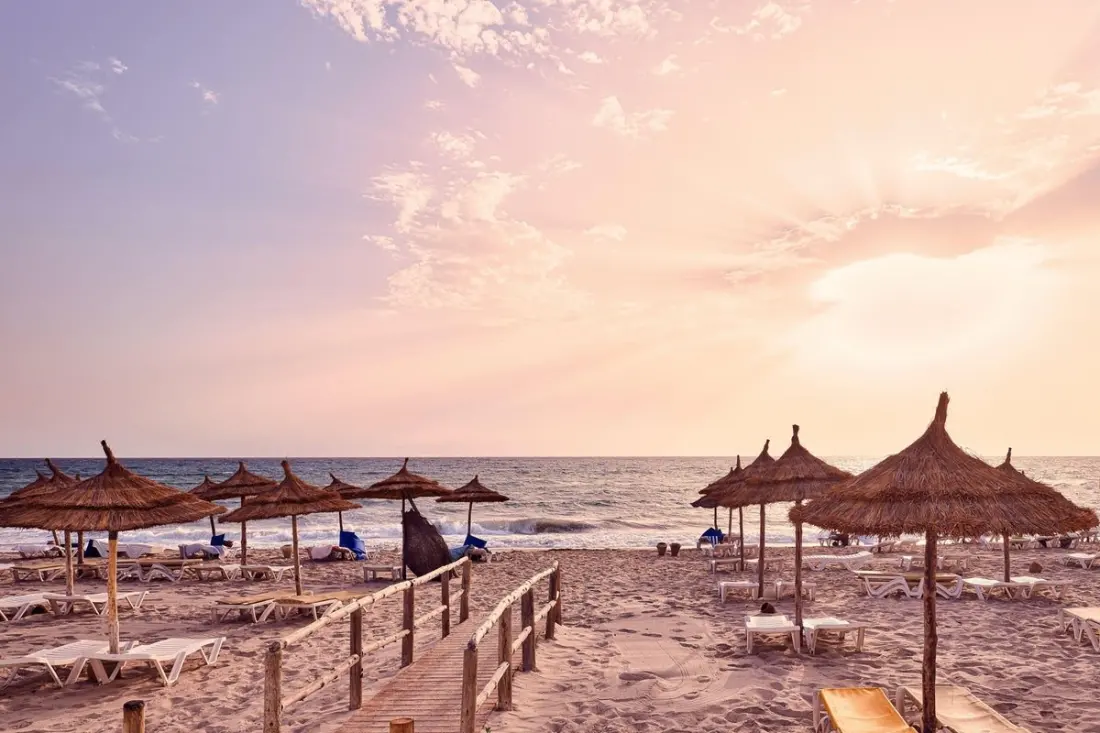
In North Africa, Tunisia is framed as the forgotten sibling of Morocco and Egypt. The capital Tunis has an atmospheric medina and a growing contemporary culture scene, while Sidi Bou Said pairs whitewashed houses and blue doors with Mediterranean views and the remnants of Carthage, sacked by Rome in 146 BC. Phoenician, Roman, Arab, Ottoman and French layers stack up across a country whose ancient sites get a fraction of the visitors Italy or Greece attract. Bonus for families: several opening scenes of the first Star Wars film were shot here. February and March mean 15-23°C — mild rather than hot, but a big upgrade on a British winter, and far shorter flight than transatlantic options.
South America's quiet achiever is Uruguay: compact, considered among the continent's safest countries, and explorable without internal flights. The recommendation is boutique vineyards such as Cordano and El Legado, culture in Montevideo, then golden beaches and chic coastal towns at an unhurried pace. November to March delivers 25-32°C.
Finally, if long-haul isn't on the cards, the Algarve quietly works in winter. February averages 17°C with less rain — enough for coastal walks, dolphin-watching trips, oyster and salt pan visits and empty beaches. New places to bed down include the recently renovated Octant Praia Verde in the eastern Algarve, with heated plunge pools set among pine forest and dunes.
The common thread: sunshine plus something to do, at destinations that haven't yet hit peak popularity. Early movers get the beaches, trails and ruins largely to themselves.