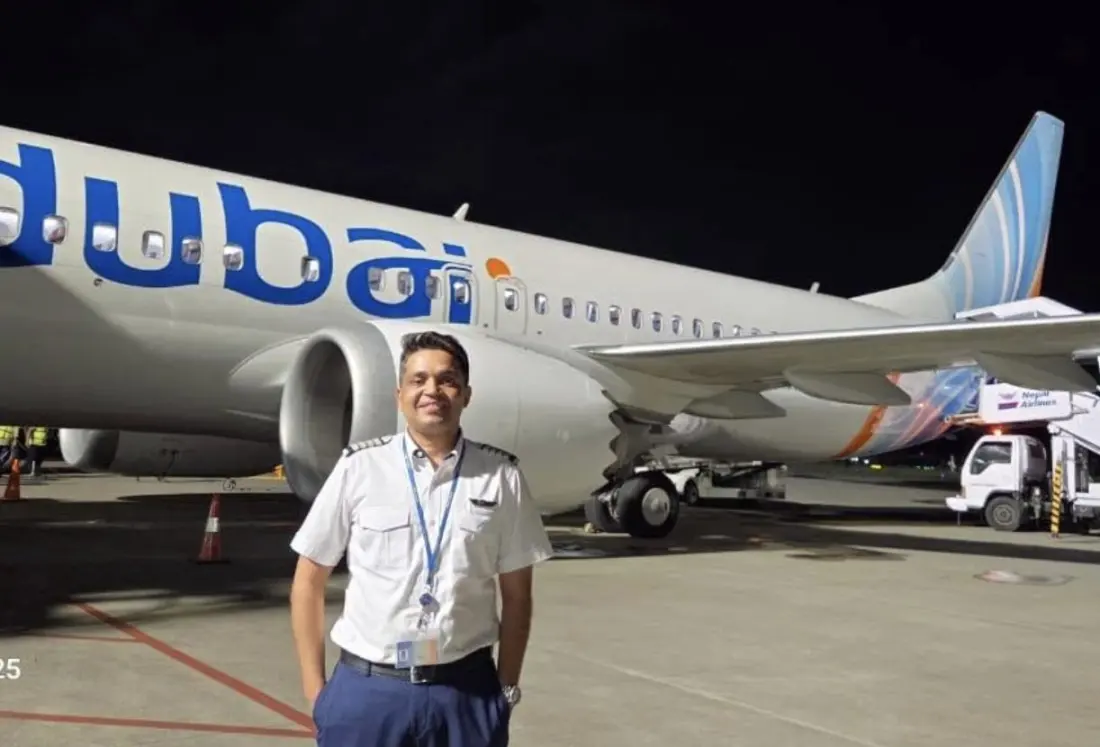
Pokhara just got a direct line to the Gulf. On 23 September, FlyDubai began daily service between Dubai and Nepal's lakeside adventure capital, and the inaugural arrival had a story of its own: the Boeing 737 Max 8 was commanded by Captain Sarbjeet Yadav, a Nepali pilot flying his countrymen home and opening a new route into his homeland in the same stroke. Pokhara mayor Dhanraj Acharya and officials from Gandaki Province were on hand to welcome the crew on touchdown — a sign of how much the city has been lobbying for better international connections.
Why does this matter? Until now, most international arrivals to Nepal funneled through Kathmandu's Tribhuvan Airport, leaving travellers with a six-hour drive or a short domestic hop to reach Pokhara. A daily wide-gate into the city itself changes the arithmetic. Trekkers heading for the Annapurna region, paragliders chasing their next flight over Phewa Lake, and diaspora workers travelling to and from the UAE can all skip the Kathmandu detour entirely.
For FlyDubai, it slots neatly into a network that already links Dubai with Kathmandu, giving the carrier two Nepali gateways. For Pokhara, it's a bet on tourism growth — the city has been upgrading its airport infrastructure and positioning itself as more than just a stopover on the way to the mountains. Direct international lifts are usually the first domino: more flights tend to follow when the first route proves demand.
If you're planning an Annapurna Circuit trek or a Pokhara getaway, the practical upside is simple: one ticket, one aircraft, and you wake up a taxi ride from the lakeside instead of navigating a connecting flight after a long-haul. Booking the Gulf carrier also means straightforward onward connections through Dubai for travellers from Europe, Africa and elsewhere. Keep an eye on fares in the first months of a new route — launch-period pricing can be generous before demand settles.