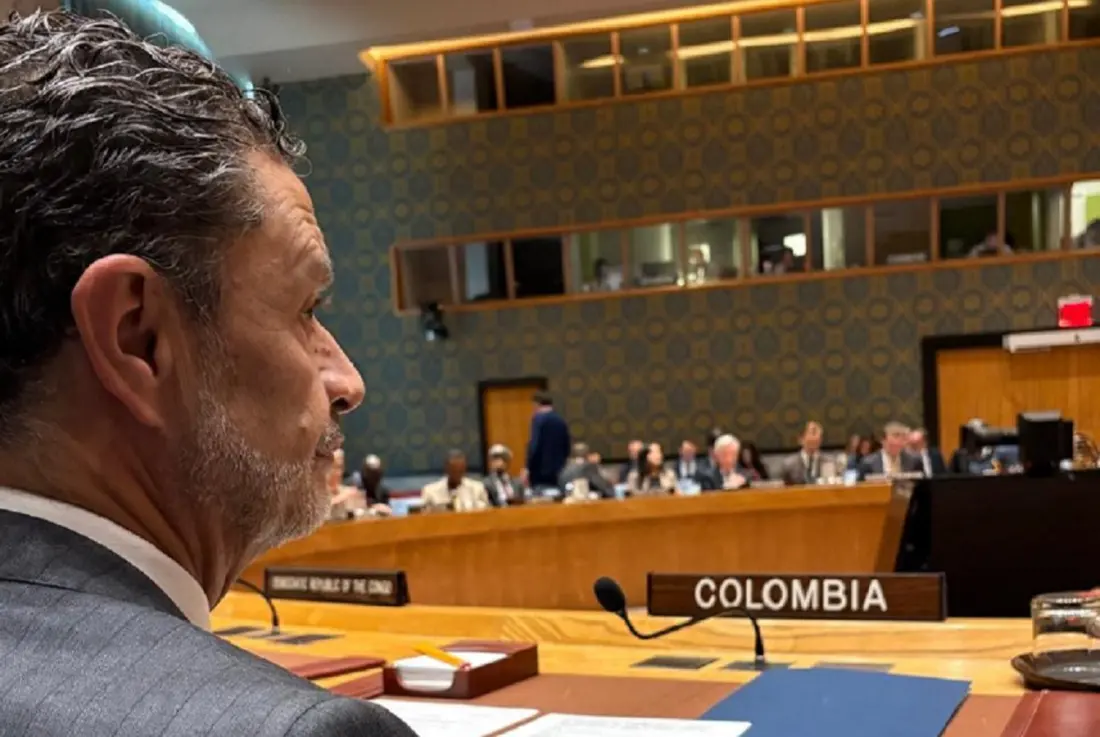
Colombia's landmark 2016 peace agreement is back under the spotlight, and the outcome matters for anyone planning a trip to the country. At a UN Security Council session in New York on 12 October, Colombia's new government — led by President Abelardo de la Espriella — proposed pulling the Comprehensive Rural Reform out of the UN Verification Mission's mandate, arguing that international oversight should focus instead on former FARC fighter reintegration and security guarantees.
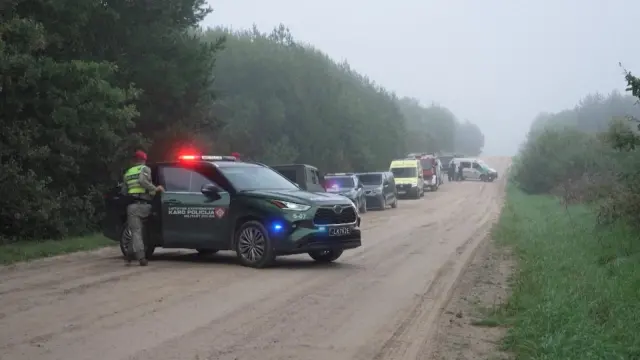
The UN pushed back hard. Miroslav Jenca, head of the Verification Mission, reported that between late June and 30 August roughly 5,600 people were displaced and another 4,400 confined to their communities across 15 municipalities in seven departments. Eight former FARC members were killed in that window alone, bringing the verified total for 2026 to 13. Social leaders and human rights defenders continue to be targeted, and armed groups are expanding territory and recruiting minors.
Foreign Minister Omar Bula defended the shift, arguing that security is a prerequisite for peace and that rural reform should become ordinary state policy rather than an internationally monitored commitment. He cited the growth of criminal organisations and illicit economies as proof that a decade of implementation hasn't delivered everyday security. Critics counter that removing the rural pillar from international scrutiny risks weakening the very reforms meant to address the conflict's root causes — especially since land redistribution fell short even under the previous administration: nearly 382,000 hectares transferred to farming families against a target of 1.5 million, though land titling fared better with more than 2.4 million hectares formalised.
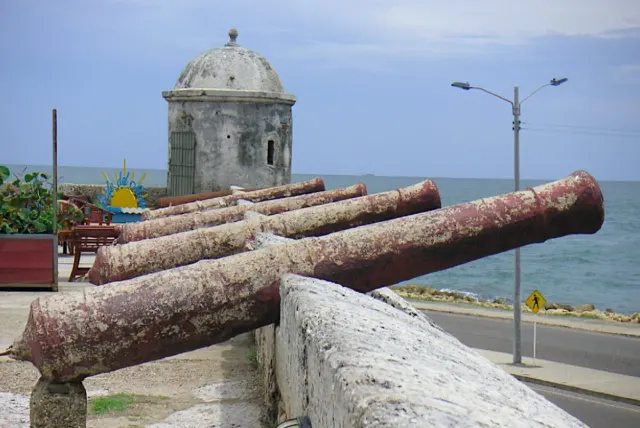
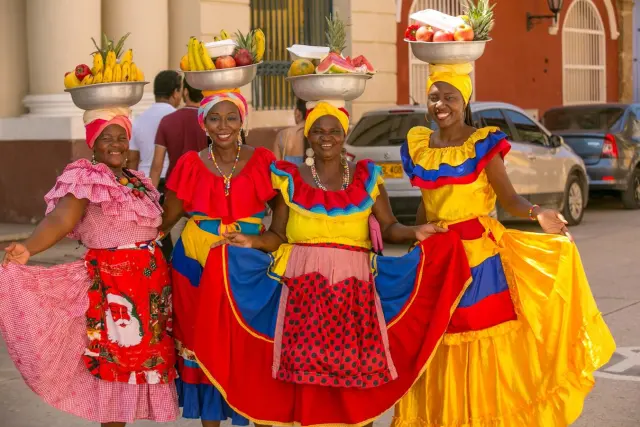
For travellers, the practical takeaway is geographic. Colombia's most visited destinations — Cartagena, Medellín, Bogotá, the Coffee Region, Santa Marta and the Caribbean coast — are far from the rural conflict zones where displacement is concentrated. But the trend lines matter: several border and rural areas, including parts of Catatumbo, the Pacific coast and regions near the Venezuelan and Ecuadorian borders, carry 'do not travel' or heightened-risk advisories, and those risks are growing rather than shrinking. Anyone heading beyond the main circuits should check current government advisories before booking.
The bigger question — for Colombians and visitors alike — is whether the new administration's security-first approach can succeed without unravelling the social investments that made parts of the country accessible and welcoming in the first place. The UN's core message was that the peace deal binds the Colombian state, not any one government, and the coming months will show how far the new administration honours it. For now, tourism continues largely as normal in the established hubs, while off-grid rural travel demands extra caution and up-to-date local information.