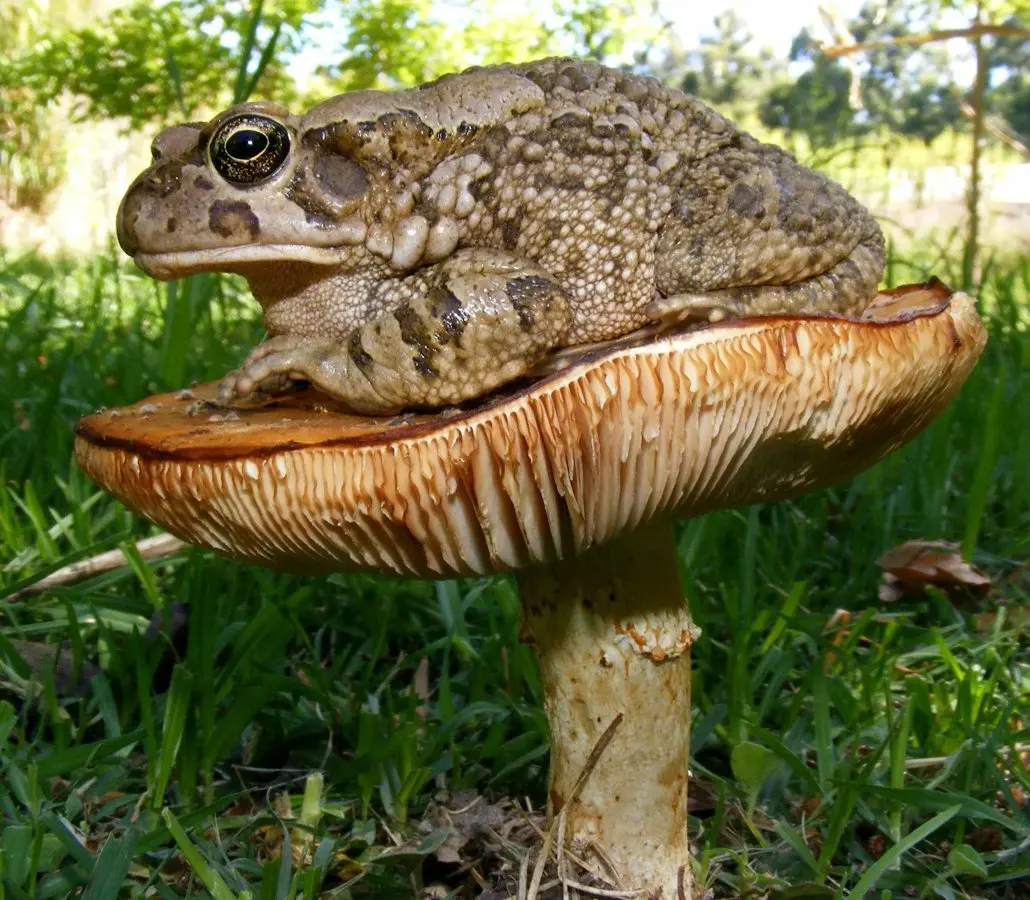
The loudest sign of a healthy wetland in South Africa isn't a big animal. It's a frog calling after rain, or a dragonfly patrolling a pond. Scientists treat these small creatures as indicator species: their presence, numbers or absence reveal pollution, habitat loss and climate pressures that water samples alone might miss.
Frogs are especially useful because their lives straddle land and water. Most lay eggs in or near water, pass through a tadpole stage and have permeable skin that makes them vulnerable to contaminants. A wetland supporting several frog species usually offers a range of habitats, from shallow seasonal pools to vegetated deeper water. If particular species vanish, researchers can start asking why — pollution, changed water flow, invasive species or disease. The catch is that no single species is a pass-or-fail test: some frogs tolerate disturbed environments, so scientists compare wildlife observations with water testing and long-term surveys before drawing conclusions.
Dragonflies tell a similar story across two worlds. Adults are the familiar dashes of colour above rivers and marshes, but their young develop underwater as aquatic nymphs, so the group reflects both water quality and the state of the wider landscape. The same goes for mayfly, stonefly and caddisfly larvae — some are highly sensitive to low oxygen, sedimentation and pollution, making them a natural checklist for the ecological condition of a stream.
South Africa's frog diversity, spanning seasonal pans, mountain streams and coastal wetlands, makes it a rewarding place to see this kind of monitoring in action. A few standout places to visit: Nylsvley Nature Reserve in Limpopo, where the Nyl River's seasonal floodplain shows how rainfall and flooding shape wetland life; De Hoop Nature Reserve in the Western Cape, pairing fynbos with seasonal wetlands used by breeding amphibians and birds; iSimangaliso Wetland Park in KwaZulu-Natal, a vast mix of lakes, estuaries and freshwater habitats; the KwaZulu-Natal Midlands, where rivers and dams in farmed and natural landscapes make for useful comparisons; and the Western Cape's mountain streams and fynbos pools.
You don't need a science degree to join in. Visitors can take part in organised frog surveys, guided walks or citizen-science projects, where a dated, located photo can genuinely help researchers map species. The etiquette matters: keep to paths, leave breeding sites alone and never handle frogs. And it's worth remembering what's at stake — wetlands filter water, store carbon, buffer floods and support countless species, all of which are undermined by pollution, drainage, invasive plants and over-extraction.
For travellers who like their wildlife with a bit of purpose, wetland destinations offer exactly that. Birders, hikers and families get rich, off-the-beaten-track scenery, while every sighting contributes to understanding how these ecosystems are coping. Next time you hear a chorus after summer rain, it's worth listening closely — those frogs are giving you a live environmental report.
This story draws on reporting by Getaway South Africa.