San Antonio has a habit of surprising people. It's the home of the Alamo, yes, but also a UNESCO World Heritage collection of 18th-century missions, a hotel so haunted the staff swap ghost stories, and a taco style you won't find anywhere else. If you've been sleeping on this Texas city, here's what's worth your time.
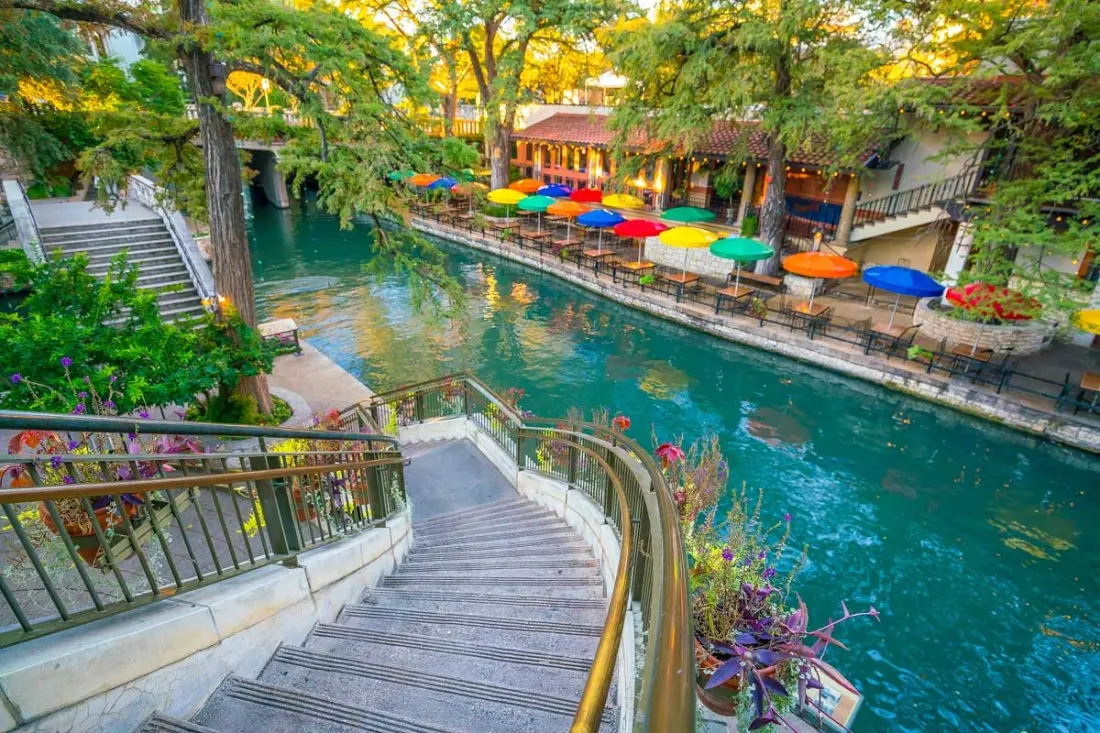
The headline acts are the missions and the River Walk. Four missions — Concepcion, San Jose, San Juan and Espada — sit along the river and hold everything from original 1700s frescoes at Concepcion to the ornate baroque facade that earned San Jose its "Queen of the Missions" nickname. Small-group tours (often a dozen people or fewer) make sense here; you'll learn about the settlers' irrigation systems and get context you'd miss reading plaques alone. Pair it with the Alamo, the Tower of the Americas for the best city views, and a boat cruise along the River Walk's winding waterway, past stone bridges and La Villita, one of the city's oldest neighbourhoods. There's an evening version too, swapping one mission for the Pearl District and the light show projected onto San Fernando Cathedral.
Food and markets carry the culture. El Mercado (Market Square) is strung with papel picado and full of Mexican folk art, pottery and tacos — weekend fiestas often bring live Tejano music and dancing. The Pearl District, a converted historic brewery, is the upscale counterpoint: a food hall in the old bottling building, weekend farmers markets, the lovely Hotel Emma, and the quieter Museum Reach stretch of the river walk a few steps away. Don't leave without trying a puffy taco — San Antonio claims to have invented it at Ray's Drive Inn, where corn masa is deep-fried into a crisp, airy shell. Tex-Mex, breakfast tacos and pan dulce fill out the list.
Beyond downtown, options branch out. A day trip to Fredericksburg in Texas Hill Country is a legit wine outing — think Sister Creek Vineyards, set in an 1800s cotton gin, pouring Bordeaux-style reds. Back in town, a haunted ghost bus tour runs from the Menger Hotel past the old Red Light District, a jail turned Holiday Inn Express, and one of the city's oldest cemeteries. There's also the Japanese Tea Garden, the Ruby City art space, the immersive Hopscotch exhibit, e-bike street art tours, and a hop-on hop-off trolley if you'd rather not plan at all.
A workable three-day shape: day one for the big sights and River Walk (plus a magic show or theatre in the evening), day two for Hill Country wine or history followed by dinner in the Pearl, day three for markets, art and a spooky bus tour to finish.
Practical notes: summer heat is serious, so schedule outdoor stuff for mornings and evenings, or visit in the March-to-May or September-to-November shoulder seasons. Rideshares work well downtown, so you don't need a car unless you're heading to Hill Country.
Why it matters: San Antonio packs history, food and oddball fun into a walkable, affordable city that suits couples, families and solo travellers alike — no wonder it keeps cropping up on short-break lists. — Destinationless Travel