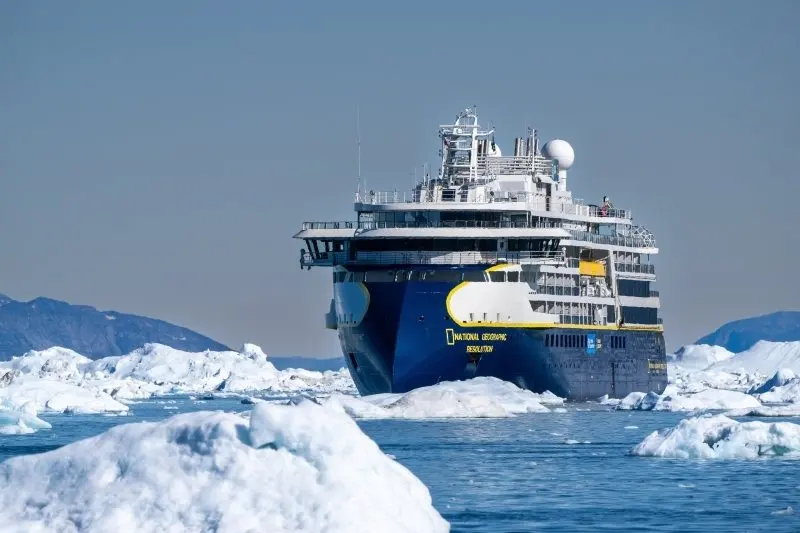
Lindblad Expeditions' polar flagship National Geographic Resolution has quietly notched up five years at sea. Delivered from Norway's Ulstein Verft shipyard on September 30, 2021, the 126-passenger expedition vessel wasted no time getting to work — it repositioned straight to Antarctica and launched its maiden season that November.
That first cruise departed Ushuaia on November 17, 2021, taking guests to Antarctica, South Georgia and the Falkland Islands. The ship was named mid-voyage in a rather unusual setting: Duse Bay in the Weddell Sea, on November 23. Captain Heidi Norling, the first woman to captain a ship in Lindblad's international fleet, acted as godmother.
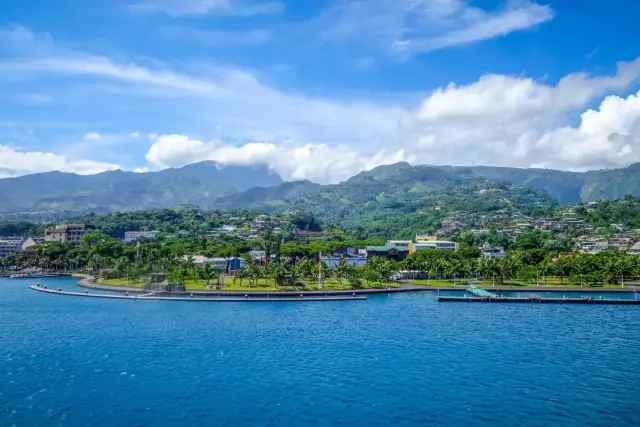
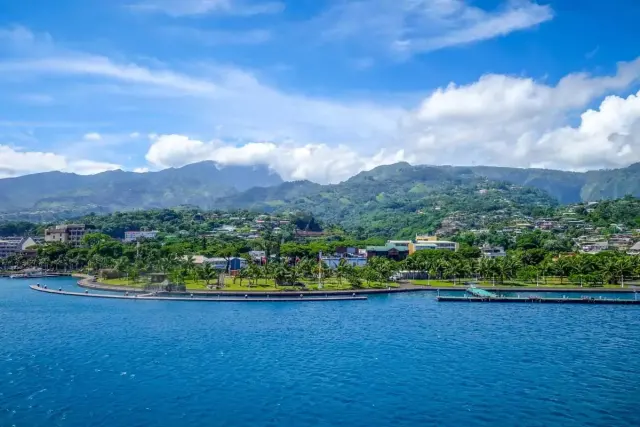
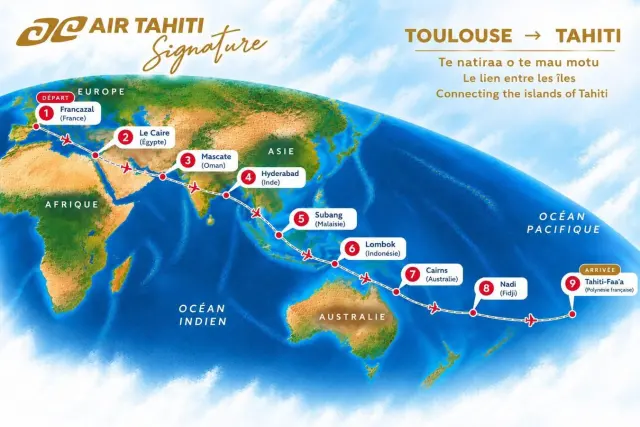
Since then the 12,000-ton ship has racked up an impressive route sheet. After its first Antarctic season it headed to Europe for cruises covering Portugal, France, Scotland and Norway, then moved up to the Arctic. It returned south for the 2022-23 Antarctic season via Japan, the East China Sea and the Pacific Islands, and is now repositioning to Antarctica once again for 2026-27. The 2027 programme broadens further, with itineraries through the Pacific and Canadian Arctic taking in Tahiti, Japan and Fiji.
A few details make the Resolution stand out from the expedition-ship crowd. Its name honours the first vessel to cross the Antarctic Circle — Captain James Cook's ship back in 1773. The hull uses Ulstein's patented X-Bow design, a backward-sloping bow that Lindblad credits with delivering a noticeably smoother ride in rough seas, a genuine selling point for anyone wary of the Drake Passage. Add a PC5 ice-reinforced hull and Scandinavian-inspired interiors with a solid range of public spaces, and you get a small ship built to handle serious conditions without feeling spartan.
For travellers, five years of service also means five seasons of a proven track record. Expedition cruising to Antarctica and the Arctic is a significant investment, and the Resolution — sister to the 2020-built National Geographic Endurance — has become one of the more established options for those wanting a small-ship, science-led approach with National Geographic branding. If its 2027 Pacific and Canadian Arctic plans appeal, that mix of Tahiti, Fiji and Japan stops offers a less obvious alternative to the classic polar routes it started with.