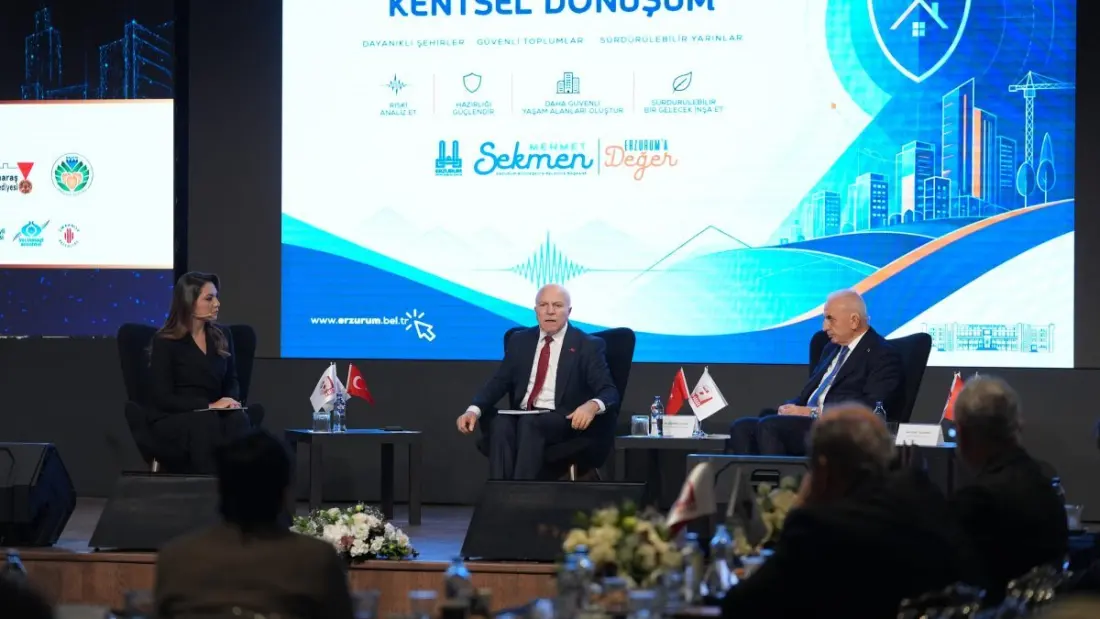
A summit in Istanbul has put Türkiye's cities in the spotlight, with mayors from across the country pitching big-ticket plans for disaster-proof infrastructure, urban renewal and tourism growth. The 'Brand Cities in the Century of Türkiye Summit', hosted by Turkuvaz Media Group, gathered municipal leaders to talk transport, smart cities and sustainable development — and several of the ideas on the table could change how travellers experience the country.
The most striking proposal came from Düzce Mayor Faruk Özlü, who wants municipalities to legally earmark 40% of their revenues for infrastructure. His argument: flood defences and essential works get delayed because they're expensive and disruptive, yet his city's roughly TL 30 billion (about $715 million) investment in flood prevention reportedly spared Düzce major damage in recent flooding. He's also planning a 250-vehicle electric bus fleet, a TL 7 billion bet that electric transport can cut operating costs by 60% once the investment is paid off.
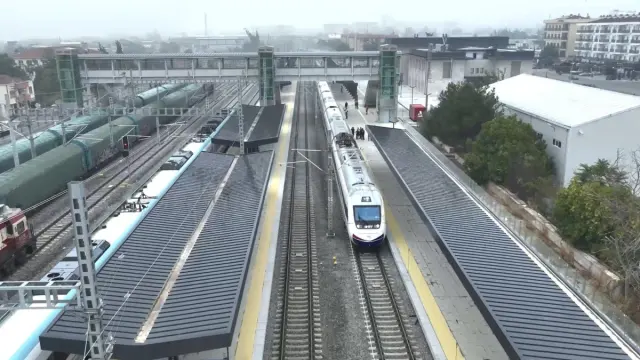
Istanbul featured heavily in the resilience conversation. The Transport and Infrastructure Ministry says it has added 85.2 kilometres of metro lines to the city over the past seven years, with more under construction — welcome news for visitors who have long battled the city's infamous traffic. In the district of Ümraniye, nearly 10,000 housing units are being renewed, around 4,000 buildings have already been transformed, and a TL 2.5 billion Olympic swimming complex with 2,800 seats is rising.
Tourism got its share of airtime, too. Midyat, the striking stone-built town in Mardin province known for its multicultural heritage, is pushing for UNESCO World Heritage recognition for a cluster of historic structures, with hopes of making the permanent list in 2027. Local officials are also working to revive traditional cuisine — a good excuse to plan a food-focused detour through southeastern Türkiye before the crowds arrive.
Meanwhile, Palandöken, the ski district of Erzurum in eastern Türkiye, has set itself a target of one million visitors. Winter tourism reportedly accounts for around 80% of Erzurum's tourism potential, and the mayor is leaning into that. Erzurum's mayor also stressed preserving historic heritage during redevelopment, noting more than 10,000 expropriations carried out as part of the city's renewal.
For travellers, the takeaway is that Türkiye's second-tier cities are where the action is heading. Istanbul keeps getting easier to navigate by metro, Midyat may be a UNESCO name to watch, and Palandöken is positioning itself as a serious alternative to pricier European ski resorts. Political sparring featured too — the AK Party's Istanbul chair criticised the opposition-run metropolitan municipality's record since 2019 — but the broader theme was clear: Turkish cities are betting on resilience, heritage and tourism as their future. Source: Daily Sabah Travel.