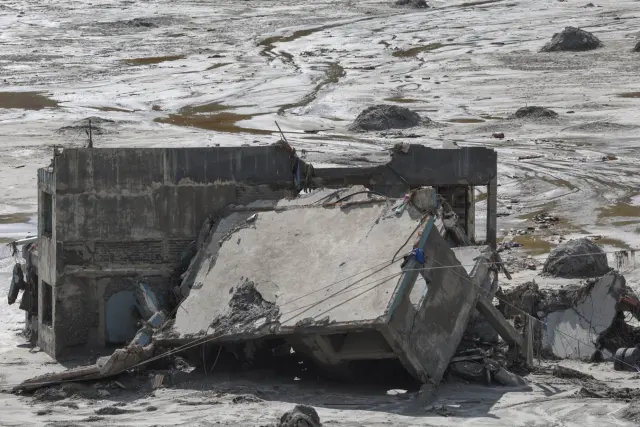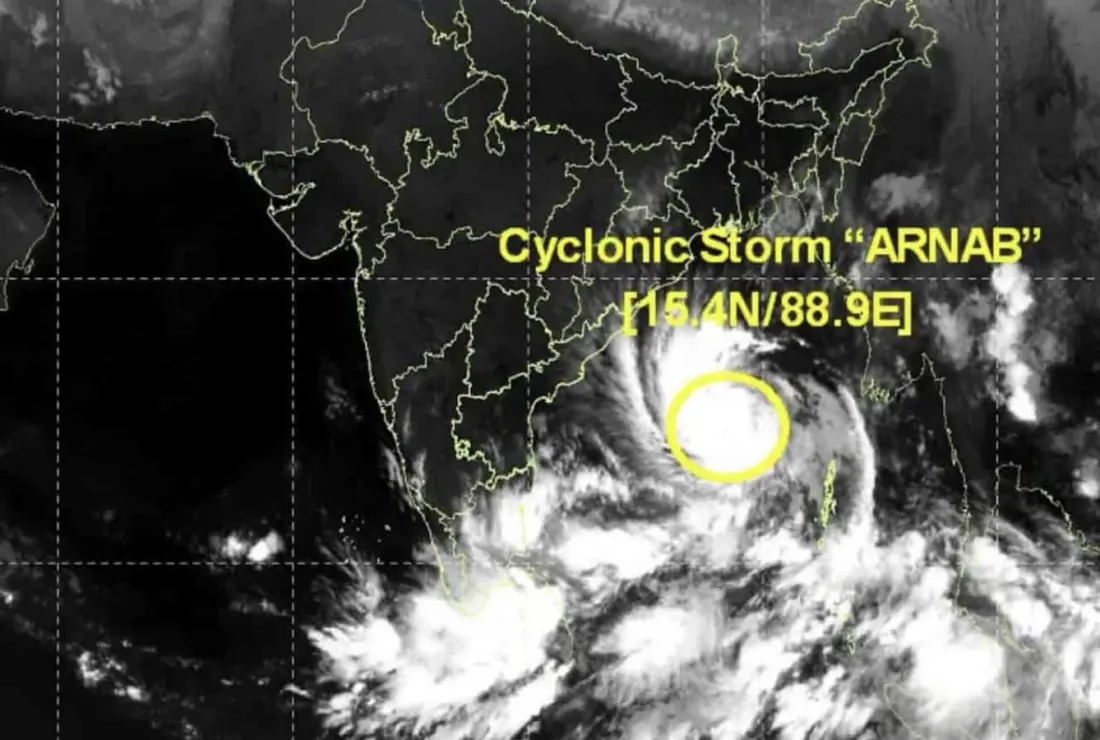
A storm system that formed over the Bay of Bengal is expected to become a full cyclone and hit Nepal around Wednesday or Thursday, dumping rain across the country and possibly two metres of snow at altitude. It arrives barely a month after the late-September storm that shut down the Manaslu climbing season and triggered an avalanche on Himlung that killed 16 Base Camp staff.
The Nepal National Mountain Guides Association, working with senior meteorologist Krishna Bhakta Manandhar, has issued a detailed forecast: cloud from the system will reach the mountains on October 28, hitting hardest above roughly 6,500-7,000m in eastern Nepal, including the Khumbu and Kanchenjunga areas, before heavy rain spreads nationwide over the following two days.
The timing is rough. Late October is peak trekking season, and anyone on the trail is being told to change plans, steer clear of rivers and high passes, and check in with local agencies. Annapurna and Manaslu region trekkers should pay particular attention: several passes there were already damaged or cut off by the previous storm and flooding. The biggest worry is for people in remote areas with no satellite communication — no InReach, satphone or Starlink — who may not get warnings at all.
Climbing teams are adjusting too. A Russian expedition acclimatising on 7,710m Jannu in the Kangchenjunga region plans to touch 7,000m before committing to their objective. Another Russian team — Andrei Vasiliev, Serguey Kondrashkin and Vitaly Shipilov, climbing Everest's West Ridge without supplemental oxygen — have already retreated to Kathmandu to recover from lung issues after their second rotation fell short of 7,500m, so the storm won't catch them on the mountain. German winter-everest hopeful Jost Kobusch, whose Everest solo attempt is still to come, has seen his Manaslu-area acclimatisation derailed: floods cut his planned route, and the forecast snowfall will bury the trails further. He and his team are weighing their options from Samagaon.
For travellers, this is a reminder that Himalayan weather doesn't respect guidebook seasons. If you're trekking in Nepal right now, check conditions daily with your agency, build buffer days into your itinerary, carry reliable satellite communications, and be ready to turn back — passes that were fine a week ago may be gone.