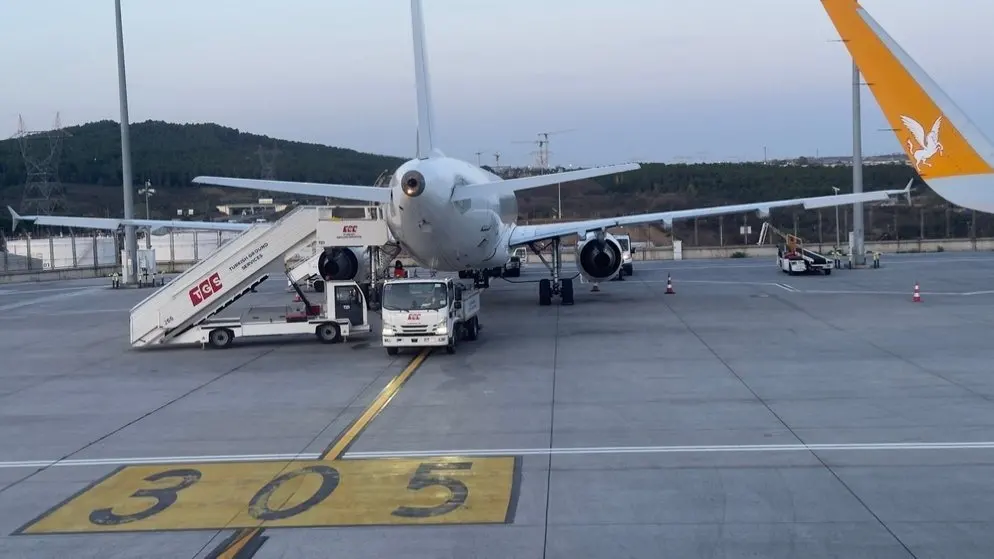
Libya is back on the aviation map. On October 23, the UN's International Civil Aviation Organization (ICAO) formally lifted the airspace restrictions imposed in 2015, at the height of the country's civil war. The announcement was made by ICAO Secretary General Juan Carlos Salazar at a meeting of Middle East aviation officials in Doha, and Libya's Tripoli-based transport ministry confirmed the decision will now be circulated to all 193 member states.
The restrictions date back to the chaos that followed Muammar Gaddafi's fall in 2011 and the civil war that broke out three years later, which split the country between rival eastern and western administrations. The conflict hit aviation hard: in 2014, up to 20 aircraft, including several Airbus models, were damaged at Tripoli International Airport.
Since then, flights in and out of Libya have been thin on the ground, served by a handful of airlines flying mainly to nearby or regionally linked destinations such as Tunisia, Egypt, Jordan, Türkiye, Saudi Arabia and Sudan.
What happens next could be significant. The transport ministry says it has been flooded with transit permit requests from international airlines, describing the demand as unprecedented. For the 2026-2027 winter season, starting in November, it has registered 61,968 flights per month — a massive leap from the roughly 2,000 transit flights a month averaged during the 2025-2026 season. Overflying Libya is the quickest routing between Europe and much of sub-Saharan and southern Africa, so the ministry expects a substantial revenue boost from airspace fees.
That said, keep expectations measured. Reopened airspace and transit permits don't automatically mean new passenger routes. It may take time before international carriers add Tripoli or Benghazi to their schedules, and security conditions on the ground remain uneven. But for a country with Roman ruins at Leptis Magna, Sahara desert towns like Ghadames and Mediterranean coastline, the removal of an 11-year aviation freeze is the first real step toward putting Libya back on travellers' radars.
Why it matters: this is a reopening story to watch. Anyone tracking the gradual return of North African routes — or simply curious about one of the Mediterranean's least-visited countries — should keep an eye on airline announcements over the coming months. Daily Sabah Travel (Reuters)