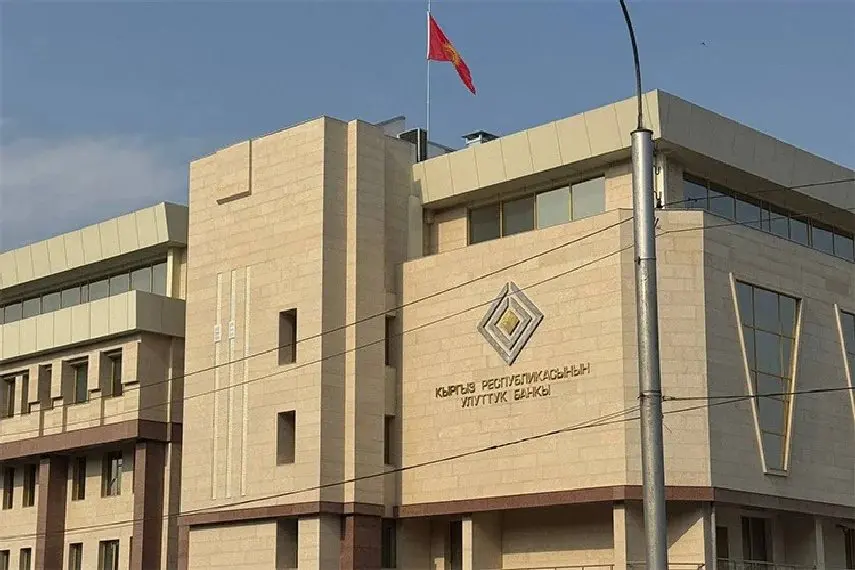
Kyrgyzstan's central bank has held its discount rate at 12 percent, a decision announced on October 26 and effective from October 27. On the surface that's a monetary policy story, but tucked inside the National Bank's statement is something travellers should actually notice: tourism and major international events are now among the drivers of one of the fastest-growing economies in the region.
The headline numbers: annual inflation eased to 10.8 percent in October, down from 12.2 percent in September, bringing cumulative price growth since the start of the year to 8.5 percent. The bank credits its own tight monetary policy plus government measures keeping supplies of staple goods steady, though it flags ongoing global food and energy price volatility linked to the Middle East conflict as a lingering risk. The target is to bring inflation into a 5–7 percent band over the medium term.
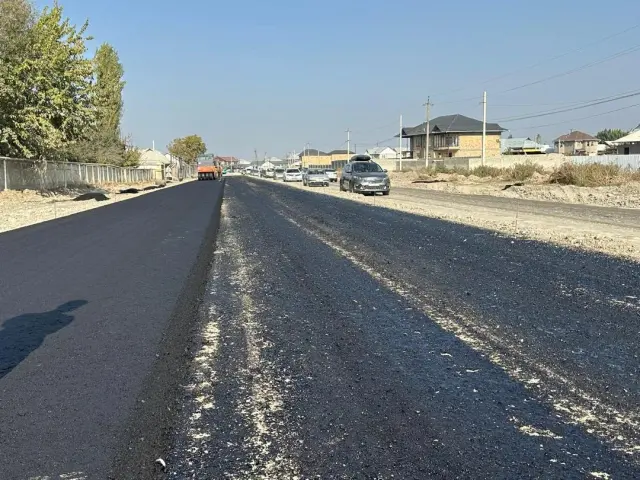
More striking still is the growth figure. Real GDP expanded by 10.8 percent in the first nine months of 2026, powered by heavy investment in construction, rising household incomes and consumption — and, explicitly, by tourism and the international events the country has been hosting. For a nation better known to outsiders for mountains than for conferences, that's a notable shift.
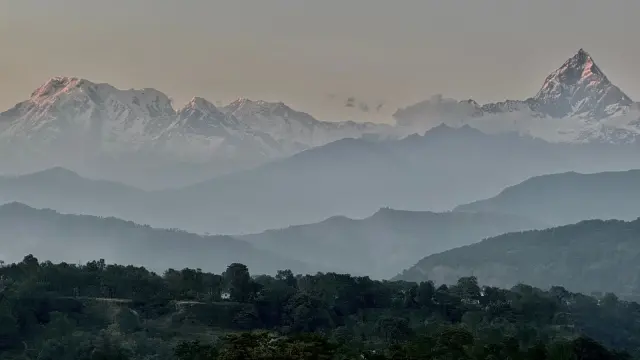
What does it mean if you're planning a trip? A stable currency and a functioning foreign exchange market (the bank confirmed the som's market remains steady) make budgeting easier, even if prices are rising faster than in Europe. Costs on the ground — food, guesthouses, shared taxis — remain low by international standards, and the tourism boom means more guesthouses, tour operators and routes into places like Song-Kul, the Alay Valley and the Jyrgalan trails than a few years ago. The flip side: growing popularity, so book key treks and yurt-stay nights ahead in high season rather than assuming you can wing it.