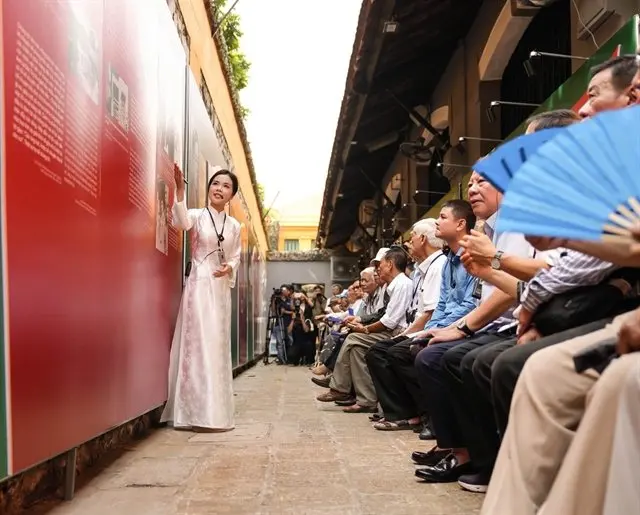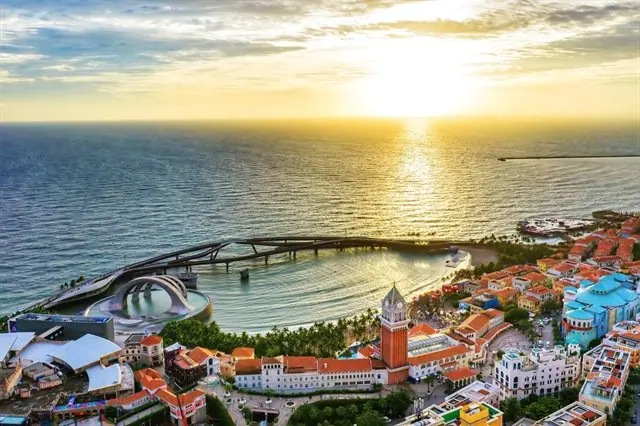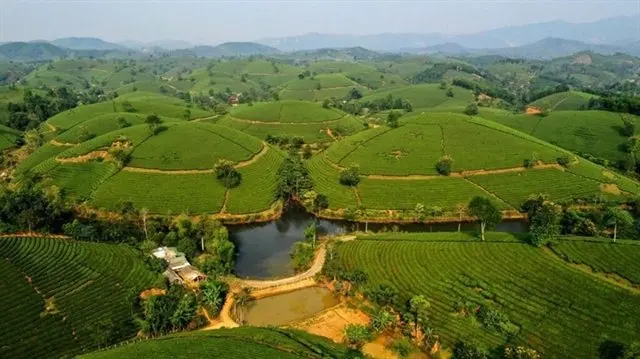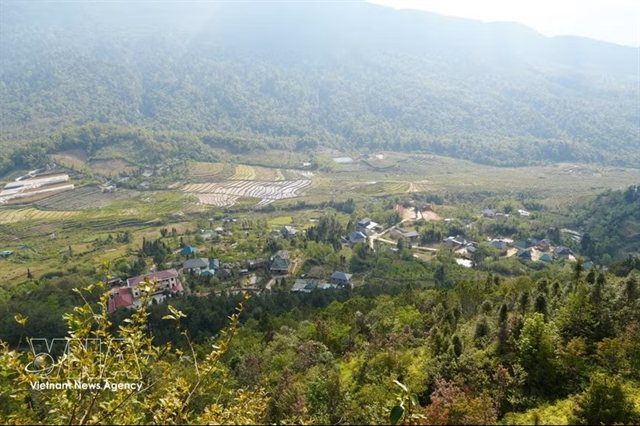
In the highlands of Lào Cai province, near Vietnam's northern border with China, the autumn rice harvest has turned the terraced fields around Y Tý a striking golden colour — and the visitors have followed. The province has quietly become one of the country's tourism overachievers, and the reason is culture, not just scenery.
During the recent National Day holiday, Lào Cai recorded around 450,000 tourist arrivals — nearly double the same period a year earlier — with tourism revenue of roughly VNĐ1.9 trillion (about US$73.8 million), putting it in the top ten provinces nationwide for holiday receipts. For 2026, local officials are targeting 11.28 million visitors and VNĐ51.1 trillion in revenue.
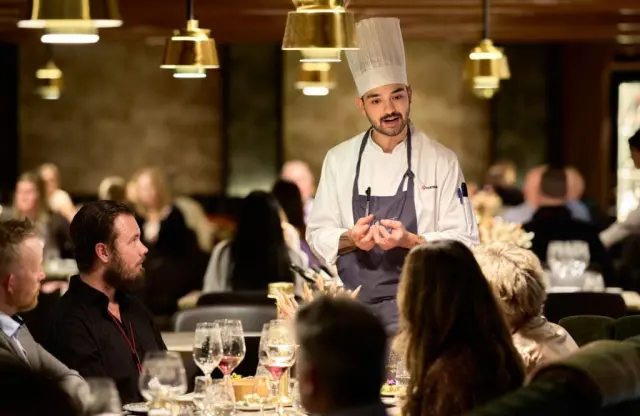
The formula at work is simple: turn everyday heritage into experiences worth travelling for, and worth staying longer for. Y Tý draws photographers and hikers when the rice ripens, with crisp mornings and mild afternoons making the steep terraced trails genuinely pleasant rather than punishing. Further into the highlands, Bắc Hà has made traditional highland cuisine — colourful, distinctive, unhurried meals — into a reason visitors extend their stay.
The most interesting story is Bản Liền, a small commune that became a destination almost overnight. A reality show filmed there in June 2025, Gia Đình Ha Ha – Những Ngày Trời Bao La, put the family life of local woman Vàng Thị Thông on national screens. Her Bản Liền Pine Homestay, a rustic set-up offering a window into Tày village life, now runs fully booked months in advance. The numbers back it up: around 6,800 visitors in the first half of 2026, versus 4,500 for all of 2025. Guests are spending on homestays, food and local products like Shan Tuyết tea and glutinous rice, and local promoters — Thông, plus other creators such as Chảo Yến and Vũ Ngọc Hương — keep the area visible online.
What's notable is that the TV effect hasn't faded once the cameras left. Roads have been widened and improved, cutting travel times to Y Tý, and the province is pushing regional connectivity with neighbouring areas to keep growth steady. For travellers, that means a highland destination that was once logistically awkward is now reasonably easy to reach and increasingly well served by community-based homestays — where your money goes straight to the families maintaining the terraces and traditions in the first place.
If you're plotting a northern Vietnam route beyond the usual Sapa crowds, the Y Tý–Bắc Hà–Bản Liền arc offers similar mountain drama with fewer people, especially during harvest season.