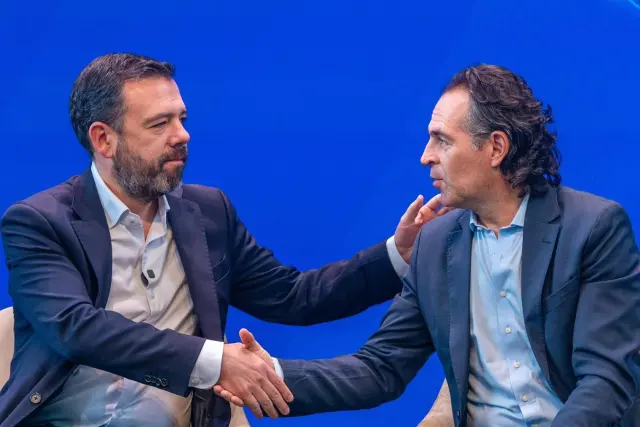
One of the most closely watched pivots in the Pacific is playing out in Canberra this week. Solomon Islands Prime Minister Matthew Wale is expected to sign a comprehensive treaty with Australian PM Anthony Albanese, amid widespread reports that his government is letting its controversial 2022 security pact with China lapse in April 2027. That deal, which allowed Chinese police to operate in the country and navy ships to rotate through its ports, caused alarm across the region when it was announced. Its quiet unwinding is being called a seismic shift by Pacific analysts, with the Lowy Institute's Oliver Nobetau noting Wale is "actively picking a side" rather than hedging between powers.
The treaty is part of a much broader Australian push. Foreign Minister Penny Wong has confirmed the Pacific is now Australia's first foreign policy priority, backed by a dense web of new agreements: the Pukpuk Treaty with Papua New Guinea (in force since July 2026), the Ocean of Peace Alliance with Fiji, the Falepili Union with Tuvalu, a treaty with Nauru, the Nakamal Agreement with Vanuatu, and now the Solomon Islands deal. The framing is "Pacific-led, Australia-backed" — security built through regional cooperation rather than the ambitions of outside powers.
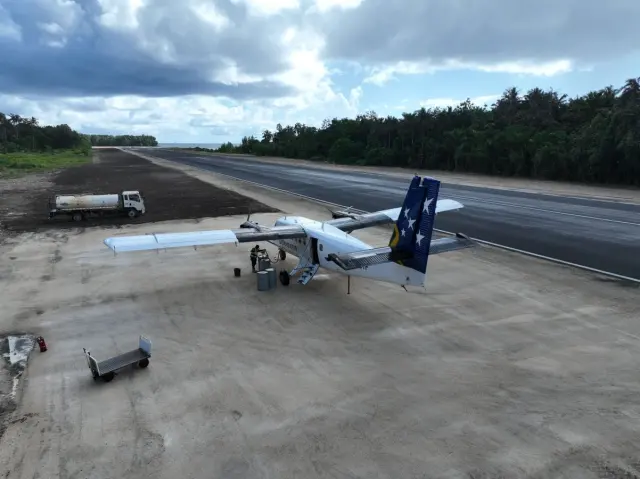
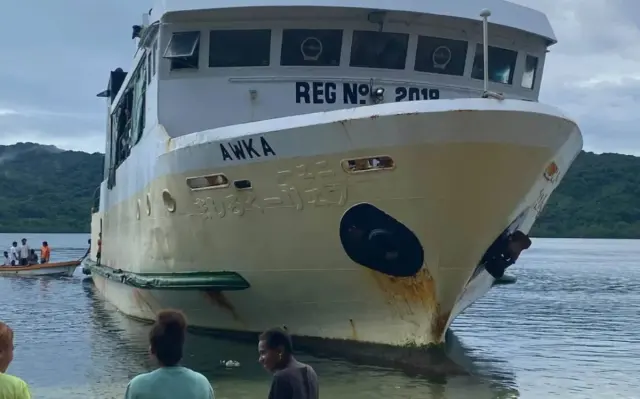
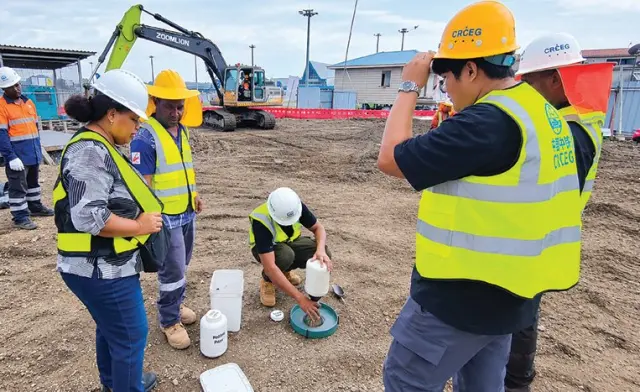
For travellers, several threads matter beyond the headlines. Australia has seeded the Pacific-led Pacific Resilience Facility with AUD$100 million to help island communities prepare for disasters and adapt to climate change — relevant in a year when a strong El Niño is raising drought risk for Guam and the Northern Marianas. Connectivity is improving too: more than 10,300 kilometres of undersea cable now link every Pacific Islands Forum member, and AUD$2.1 billion in project financing is supporting 67 infrastructure projects across 13 Pacific countries and Timor-Leste, including 36 off-grid renewable energy projects. Better power and connectivity translate directly into more reliable hotels, transport and communications for visitors.
There are also practical safety notes. Australia is putting AUD$400 million into a Pacific Policing Initiative and AUD$600 million into the Waqa Moana initiative against drug trafficking — part of a wider effort to stabilise a region where some states, including Solomon Islands with its roughly 800,000 people, have no military of their own. Analysts caution the new treaty will only matter if it is operationalised on the ground, a reminder that security situations in the Pacific can shift quickly.
For anyone planning a trip to Solomon Islands, Fiji, Vanuatu or PNG, the region is clearly opening up under heavier investment and closer ties to Australia — a positive sign for tourism infrastructure over the next few years. But it remains a place where checking current conditions before booking is wise, particularly given El Niño-driven water shortages affecting parts of Micronesia and domestic political sensitivities around foreign engagement, which are already being debated in Honiara over the size and cost of Wale's 24-member delegation to Canberra.
Story reported by PACNEWS via Islands Business.