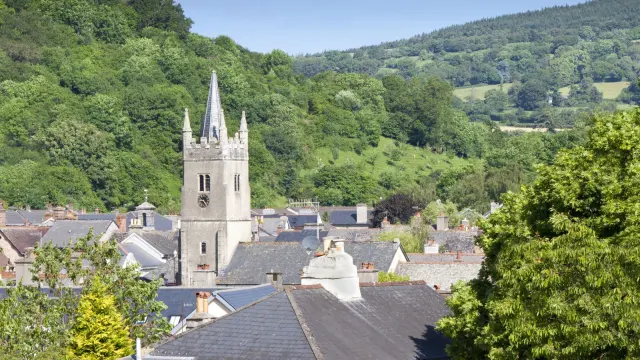
Muhos, a farming municipality of roughly 8,800 people in northern Finland, is suddenly one of the most talked-about corners of Europe. Google is building new data centres here as part of a €13 billion ($15 billion) investment in Finland over two years — the company's largest single bet on the continent to date.
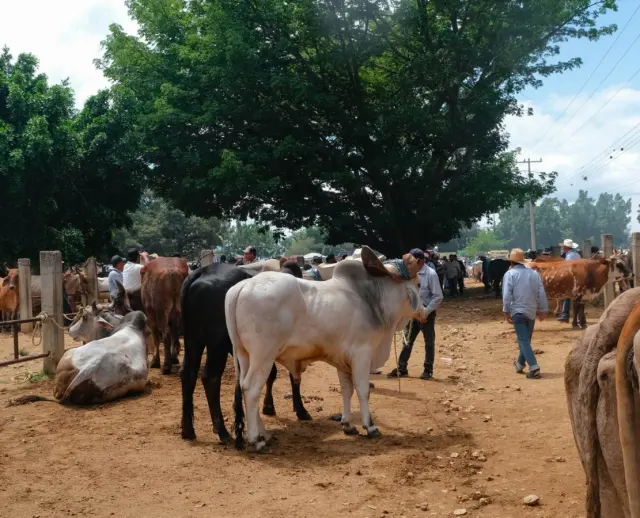
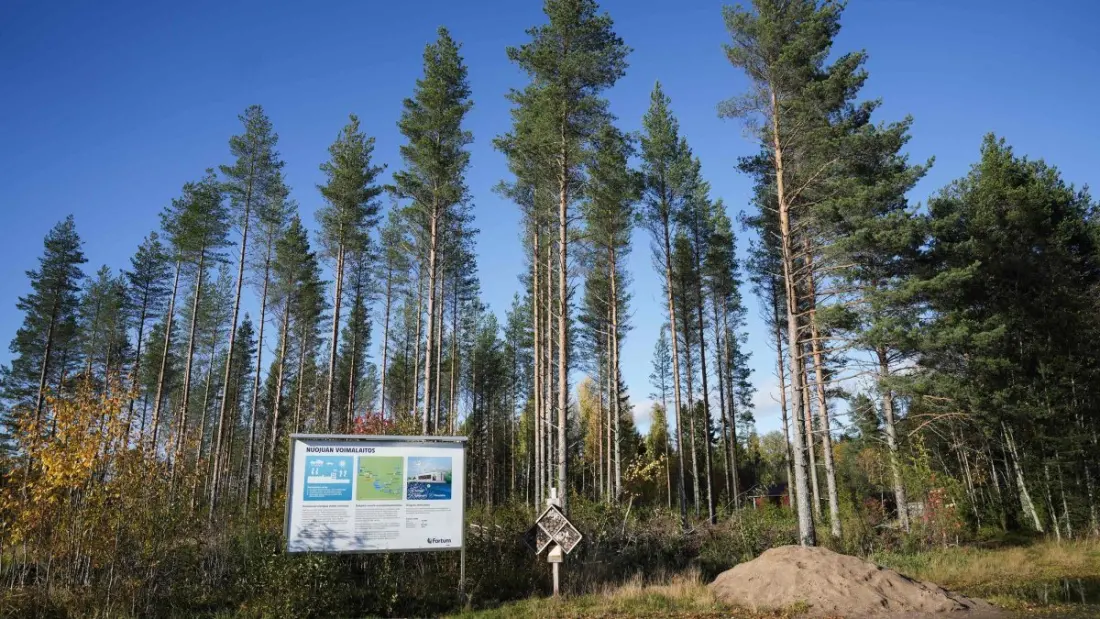
The scale is hard to overstate for a place where cows still doze outside barns. Forest has already been cleared along the gravel road past local farmer Joni Pitkanen's land, with excavators working sites near major power lines. Google's expansion also covers the municipalities of Kajaani and Vaala, plus Hamina in the south, where it has run a data centre for years. Mayor Kimmo Hinno expects thousands of construction workers of different nationalities to pass through, needing housing and services the town has never had to provide before. Locals like nurse Aila Heilima hope the jobs will keep young people from leaving for bigger cities.
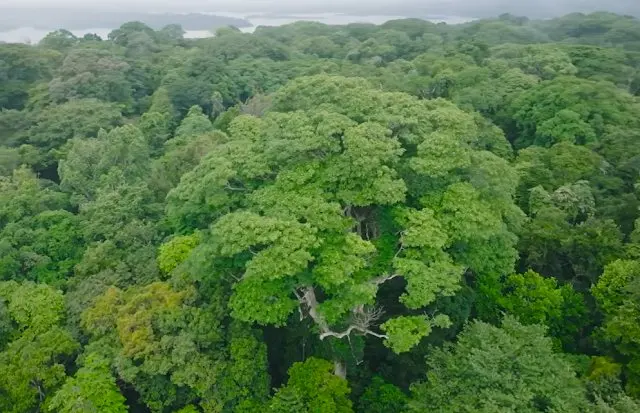
Not everyone is cheering. Finland's Supervisory Agency is investigating whether more than 300 hectares of forest in Muhos — an area comparable to 420 football pitches — was logged without the mandatory environmental impact assessment. Conservation groups claim protected nature sites were also felled; Google insists its tree-clearing complied with the Forestry Act and says high-value nature zones were protected. Meanwhile, US President Donald Trump has publicly urged Google to rethink the plans.
Why Finland? Cool summers, stable grids and cheap electricity that's largely fossil-free, thanks to nuclear, wind and hydro. Prime Minister Petteri Orpo's government is actively courting data centre money as the country battles record unemployment, and Microsoft and TikTok are among others building. But the debate is heating up: a citizens' initiative demanding stricter regulation of the sector's energy use and environmental impact collected over 50,000 signatures in three days, forcing a parliamentary review.
For travellers, the near-term draw is unchanged — this is still prime Finnish lakeland and forest country near Oulu, a gateway to Arctic Finland. But expect the Oulu region to look different within a few years: more construction traffic, more international workers and a local economy reshaped around tech infrastructure. If you've been curious about northern Finland beyond Lapland, going now means seeing the quiet, rural version before the build-out accelerates.