Ask a Greek local when to visit their country and the honest answer probably isn't August. A group of top travel specialists recently made the case for going between late autumn and early spring — and their argument is convincing: lower prices, cooler weather, and ancient sites you can actually enjoy instead of queueing through.
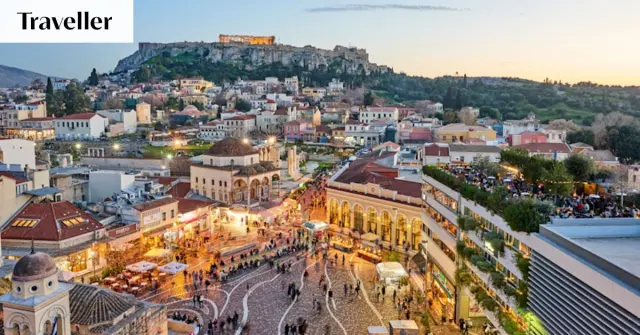
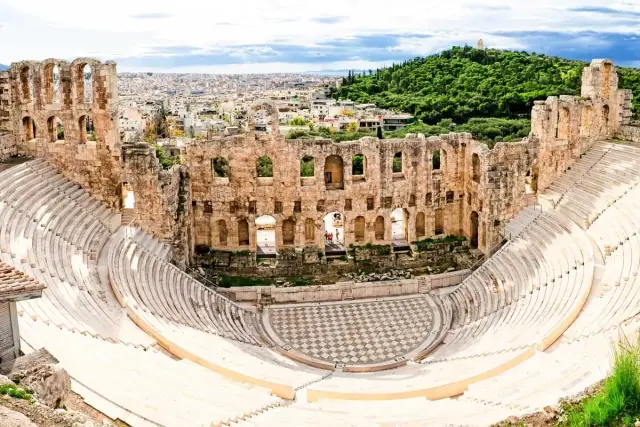
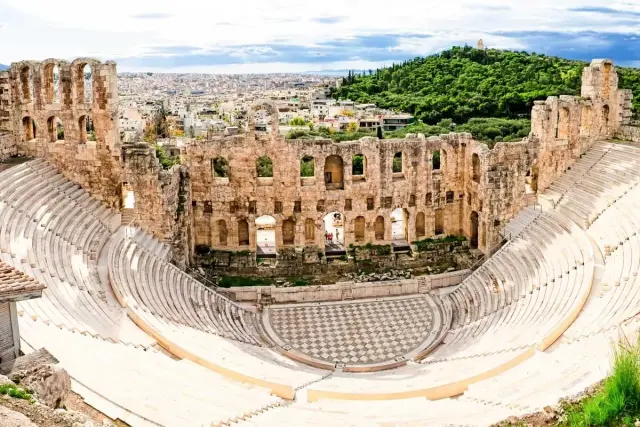
The practical case is straightforward. Hotel rates drop sharply outside summer, sometimes to less than half of peak prices at high-end properties like Amanzoe on the Peloponnese coast, which stays open until mid-November. The Acropolis and other archaeological sites are noticeably quieter, restaurant tables are easier to come by in Athens, and the climate is mild enough for comfortable walking even in winter. There's a cultural payoff too: the olive harvest runs November into December, with some estates welcoming visitors, and citrus season follows in the Peloponnese and Crete.
But there are real limits to know about. Many smaller islands effectively shut between November and April, ferry timetables shrink, and weather disruptions are more likely. Plenty of tavernas and hotels close for the season, so specialists suggest building your trip around what's genuinely open — favouring Athens, the mainland, and larger islands like Crete, Corfu and Santorini. Beach clubs and swimming are largely off the menu; if that's your priority, come in summer.
Where to go instead? Thessaloniki, Greece's second city and a UNESCO City of Gastronomy, stays lively year-round thanks to its student and local population. Its food reflects centuries of Greek, Ottoman, Sephardic and Armenian influence — try classic meze spots or the restored harbourside dining rooms along the Thermaic Gulf. Day trips include Vergina, where Philip II of Macedon was buried.
The Peloponnese is the other big winner: a road trip along its rugged coast suits travellers who want water views without the swim. Base yourself in Nafplio, under two hours from Athens, for Venetian architecture and easy access to Mycenae, Epidavros, Ancient Corinth and the Nemea wineries. Further south, the medieval rock-town of Monemvasia and the quiet harbour town of Pylos reward slow stays — the latter is the gateway to the Costa Navarino resort area, with golf and beaches even when the sea is chilly.
Pack layers — evenings turn cool and windy from autumn onward, so think sweaters, a rain jacket, and something warm for dinner. And if you're unsure what will actually be running when you visit, ask your hotel before booking: winter opening changes year to year and isn't always reflected online.
This is a trip for travellers who value food, history and conversation over beach days — the kind of visitor locals are genuinely happy to see in November. If you want boat trips and beach clubs, wait for summer. If you'd rather have the Parthenon in soft winter light at a fraction of the price, the off season is your window.