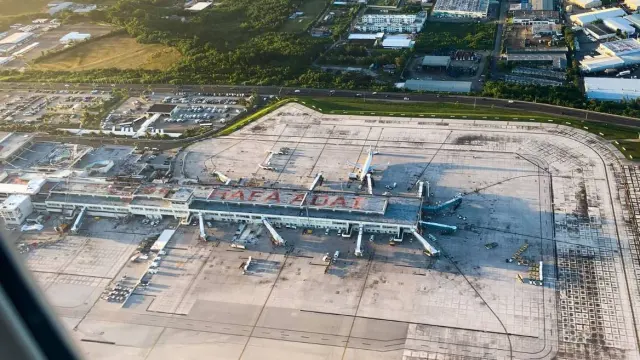
A Guam resident flying home from Seoul recently got a blunt lesson in first impressions. Incheon International Airport — clean, efficient, clearly designed around the passenger — made Antonio B. Won Pat International Airport back in Guam look tired by comparison, and his essay has struck a nerve with locals who have been making the same complaint for years.
The core problem is a mismatch between marketing and reality. Guam spends heavily promoting itself as a Pacific paradise — Tumon Bay, Two Lovers Point, Ritidian Point, CHamoru fiestas — but none of that is what a visitor actually encounters first. They encounter the airport. Instead of a gateway that immerses arrivals in the island's colors, seafaring history and culture, they mostly find long stretches of plain white concrete walls and institutional spaces, punctuated by the odd mural. Restroom upkeep draws particular criticism, with some facilities described as neglected and badly dated.
This isn't just about looks, the argument goes. The airport is economic infrastructure: tourists, business travellers, military personnel and investors all pass through the same doors, and their impression shapes whether they come back or recommend Guam to others. Regular travellers from Incheon, Tokyo or other major Asian hubs arrive with high expectations, having just left some of the world's best-run terminals.
What makes the situation frustrating for residents is that the criticism isn't new. Complaints about aging facilities, maintenance lapses and the lack of any real sense of place surface constantly on social media and in local coverage, alongside studies and promises. The essay's pointed question — whose "belly button" do you press to get something done? — reflects a genuine accountability gap: is it the airport authority, the administration, or the legislature? Nobody seems to own the problem.
The proposed fix is refreshingly simple: lean on local talent. Guam has artists who could turn the terminal into a showcase of CHamoru seafaring traditions and island identity, replacing blank walls with something visitors actually remember. The essay is careful to blame not the airport workforce, which it praises, but a lack of sustained investment and vision from above.
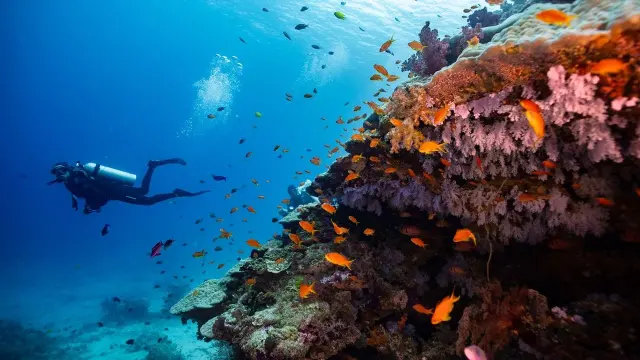
For travellers, the takeaway is modest but useful: don't judge Guam by its terminal. The beaches, dive sites, chamorro food and cultural experiences beyond the arrivals hall are what the island is actually selling. Give yourself a little buffer at the airport, keep expectations for amenities grounded, and plan your real sightseeing to start quickly after landing.
Guam remains one of the easiest tropical getaways in the Pacific, especially for visitors from East Asia — the island deserves a gateway that says so. As the locals keep asking, the only question left is who will finally be responsible for making it happen.
Thanks to Pacific Island Times for the original reporting.