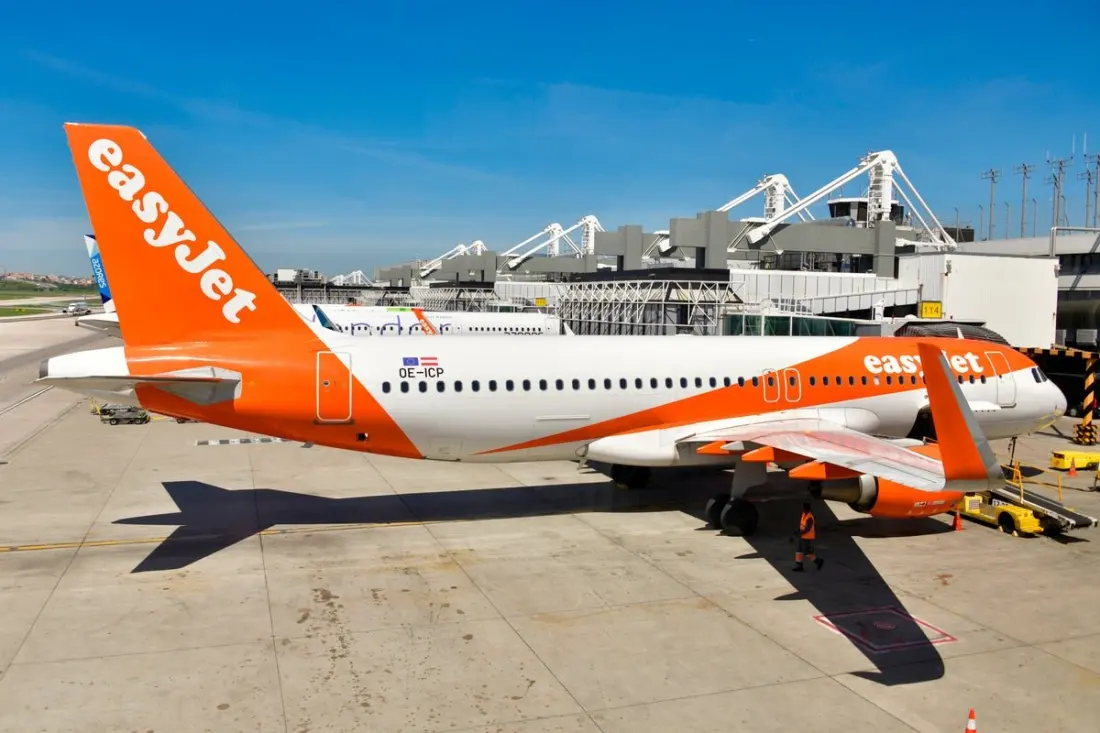
A would-be trip to Scotland got off to a rough start for one easyJet passenger, who was met by police at Luton after allegedly lighting up in an aircraft toilet before take-off.
Flight U2404 was due to leave Luton for Glasgow at 1pm on Monday 16 November. Instead, crew pulled the plane back from the gate after a lavatory smoke alarm went off, and a "disruptive" passenger was removed by officers. The departure slipped by roughly an hour, with the Airbus A320 eventually touching down in Glasgow at 2.54pm — about 40 minutes behind schedule.
EasyJet confirmed the incident, saying its cabin crew are trained to "assess all situations and act quickly" and that disruptive behaviour is not tolerated. The airline did not name the passenger, and no details on any charges have been given.
The legal point worth knowing: smoking and vaping are banned on every UK airline, and lighting up onboard is a criminal offence under Article 243 of the Air Navigation Order 2016, with fines of up to £2,500. Lavatory smoke detectors are sensitive by design — there's nowhere to hide a cigarette on a modern airliner.
It was a bumpy week for easyJet more broadly. Just two days later, on Wednesday 18 November, flight EZY213 from Bristol to Edinburgh turned back after a bird strike during take-off. The plane got as far as the Brecon Beacons before the crew decided to return, circling over the Bristol Channel and landing back at Bristol roughly 40 minutes after departure. Bird strikes are a routine hazard and pilots treat them seriously; the Edinburgh leg typically takes under an hour.
For travellers, the takeaway is simple. Smoking onboard isn't just against airline rules — it's a criminal matter in the UK, and the consequences can range from a £2,500 fine to being met by police on arrival. And when an aircraft diverts or returns after something like a bird strike, it's standard precaution rather than cause for panic; crews follow strict protocols and land as soon as it's safe. Build a little slack into connecting plans on short domestic hops, since even an hour's delay can squeeze tight onward connections.