From 1 December, all five road border crossings between Estonia and Russia shut to both vehicles and pedestrians. The decision, announced by Prime Minister Kristen Michal's government, follows two attacks on Estonian defence companies this year that the domestic security service says were commissioned by Russian intelligence.
The affected crossings are Narva-1, Narva-2, Koidula, Luhamaa and Saatse — the entire land route network between the two countries. The government says the crossings have given Russian intelligence opportunities to recruit and influence people, and that keeping them open makes it easier to dodge sanctions or move goods illegally across what is also the EU and Schengen external border. Rail freight will continue under existing restrictions and tight customs controls, and the closure will be reviewed after six months.
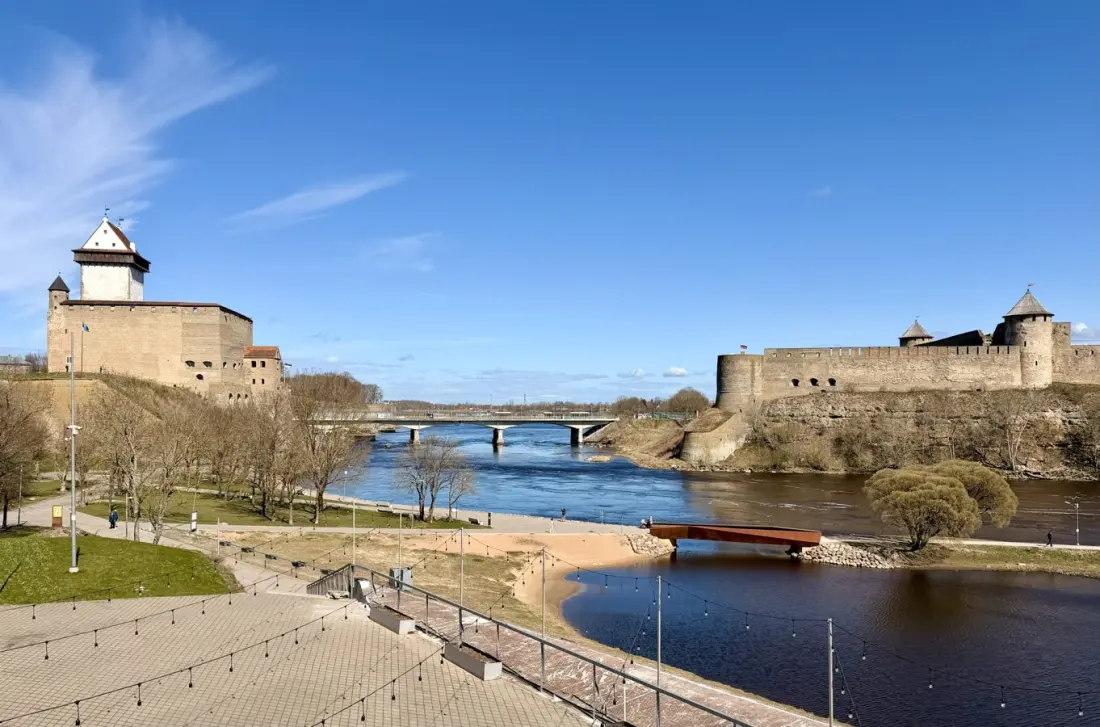
For travellers, the practical impact is significant if you had plans involving the border. Estonia is urging anyone currently in Russia on Estonian documents to plan their return well ahead of the deadline — after 1 December, the land route home disappears, and travellers will need to route through a third country, adding both time and cost. Anyone considering a Baltic trip that included a day trip or crossing at Narva, the border city famous for its twin fortresses facing each other across the river, should assume that option is off the table for now.
The closure hits hardest in Estonia's north-east and south-east — Narva and the Setomaa region — where locals routinely have family, jobs or property across the frontier. The government has pledged to help these border regions adapt, but cross-border daily life there is effectively ending for at least six months.
Economically, Estonia expects limited fallout. Goods exports to Russia have already collapsed to roughly a third of their 2021 level, and for Estonian-made products it's closer to a fifth. Trade had largely evaporated long before this move.
Estonia isn't acting alone. Finland shut its entire land border with Russia in December 2023, and Latvia, Lithuania and Poland have progressively tightened their eastern borders too. In practice, the EU's north-eastern frontier with Russia is now almost entirely closed to ordinary travellers, and there's no sign of that reversing soon.
The takeaway for holiday planners: Estonia itself remains fully open and unaffected for visitors arriving by air, ferry or through fellow EU states — Tallinn, Tartu, the islands and the Lahemaa coast are all business as usual. But drop any assumptions about driving east from Narva or crossing at Koidula, and if your itinerary involves Russia at all, you'll need to look at flights via Helsinki, Istanbul or other hubs instead. Watch for the six-month review before betting on a reopening.