Iceland's autumn has announced itself in blunt fashion. Photographers captured several visitors to Reykjavík being literally knocked over by gale-force winds this morning, a vivid reminder that the country's shoulder-season weather is no joke.
The numbers behind those wobbly tourists are serious. Gusts hit 40 m/s at Kjalarnes, just outside the capital, peaking shortly before 10 a.m., while Stórhöfði — the weather station on the Westman Islands famous for its wild readings — recorded sustained winds of 38 m/s. For context, anything over about 24 m/s is storm territory; at 40 m/s, walking upright becomes a genuine challenge, and car doors can be torn from your hands.
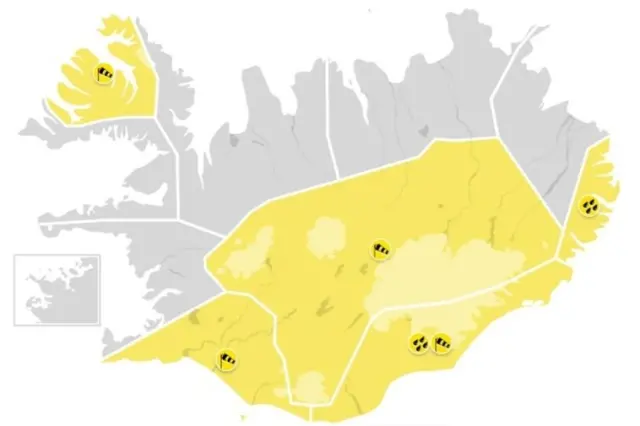
Meteorologist Þorsteinn V. Jónsson of the Icelandic Met Office said the southern winds should ease shortly after midday, but the picture across the rest of the country stays rough. Strong gusts will persist in the highlands, Skagafjörður in the north may catch a temporary burst, and heavy rain is forecast for East Iceland and the Eastfjords. Tonight and tomorrow, torrential rain moves into the Westfjords and Strandir. His summary: this is typical autumn weather — which means visitors should expect more of the same through the season.
If you're travelling to Iceland in autumn, treat the forecast as part of your itinerary, not background noise. Check vedur.is (the Met Office site) every morning, keep plans flexible — highland roads and some tours close when the weather turns — and pack proper windproof layers rather than relying on an umbrella, which will rarely survive. In exposed spots like Kjalarnes, Stórhöfði or the Reykjavík waterfront, hold onto handrails and be extra careful near the sea during a gale. Summer travellers rarely face conditions like these; autumn visitors need a bit more respect for the elements, plus the reward of dramatic skies and thinner crowds.