A text message just after 10 PM set the tone for one traveller's trip to North Iceland. The driver who had collected them from the airport only hours earlier had a simple question: the northern lights were out — did they want to see them? Within minutes they were bundled up and chasing green and purple curtains of light over Akureyri, camera phone raised. First night in the country, aurora box already ticked.
That's the thing about Iceland's north: it doesn't ease you in. Akureyri, often called the capital of the north, sits at the head of Iceland's longest fjord and works as a base for aurora hunting in winter, when dark skies stretch long into the day. The lights are famously unpredictable — some nights nothing, other nights the whole sky moves — which is why having a local on call, or at least a flexible schedule, pays off. Clear, cold nights between roughly September and April offer the best odds, and being ready to drop everything at a moment's notice is half the game.
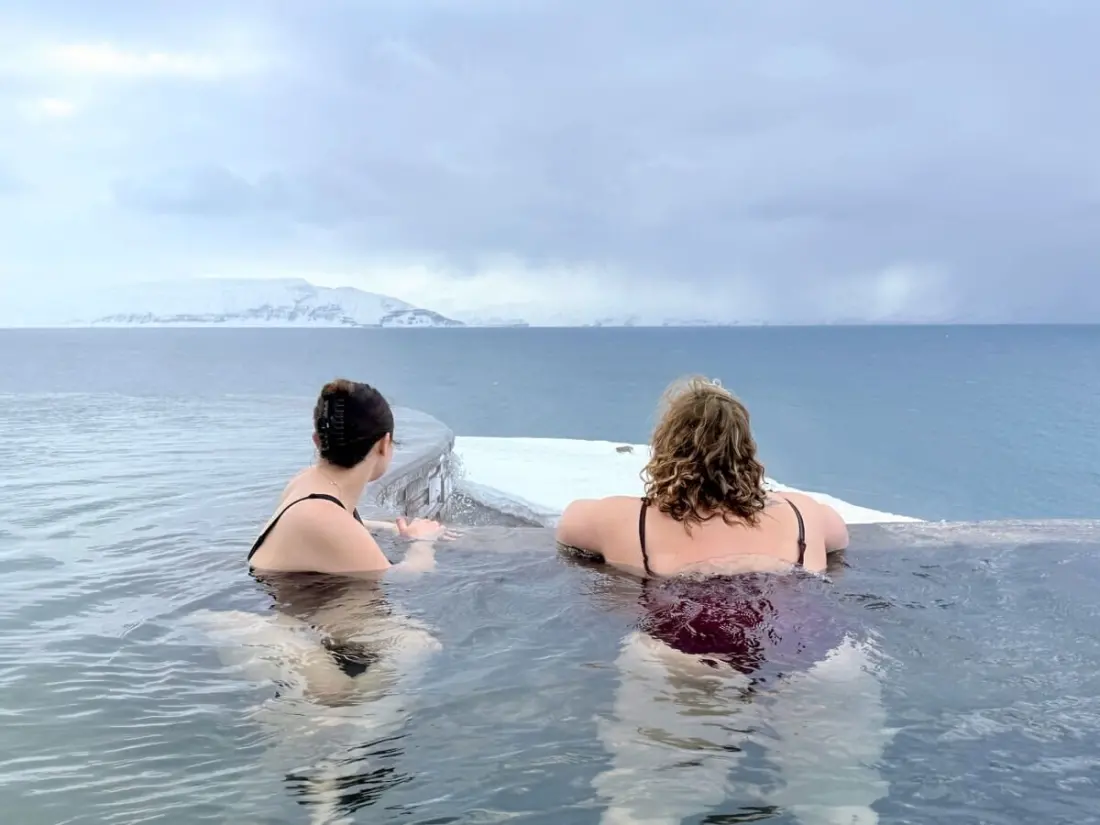
But the region's real signature, beyond the aurora, is the soak. The trip's title says it plainly: the traveller came for the lights and stayed for the pools. Geothermal bathing is woven into everyday Icelandic life, and the north has its share of pools and hot springs where you can thaw out after a night spent standing in the cold waiting for the sky to perform. pairing a late aurora vigil with a steaming outdoor pool the next morning is about as North Iceland as it gets.
The practical takeaway is straightforward. Fly into Akureyri rather than only routing through Reykjavik if the north is your priority — the article's writer landed locally and was out chasing lights the same evening. Build slack into your itinerary so a late-night aurora alert doesn't wreck the next day's plans, and treat the pools not as an attraction to queue for but as a daily habit: locals go regularly, and the ritual of bathing followed by coffee or an ice-cold drink at the pool café is part of the experience.
Who is this for? Anyone who has put off Iceland because they assume it means the Golden Circle crowds. The north trades big-name stops for dark skies, quiet roads, and small-town warmth — the kind of place where your driver texts you when the lights appear. Winter travellers get the aurora and the pools at their most atmospheric; it does mean short daylight hours and changeable roads, so a bit of flexibility and a warm layer go a long way. The lights may be the headline act, but as this trip showed, the soaks are why you end up wanting to stay.
Story via Matador Network.