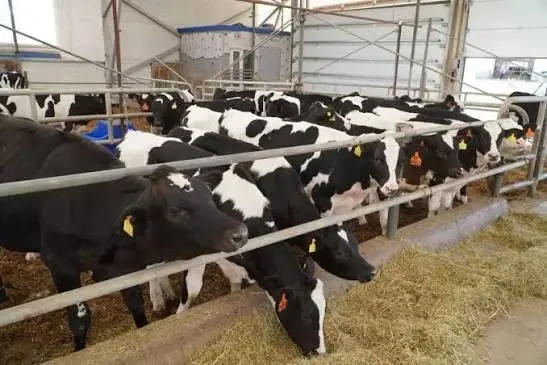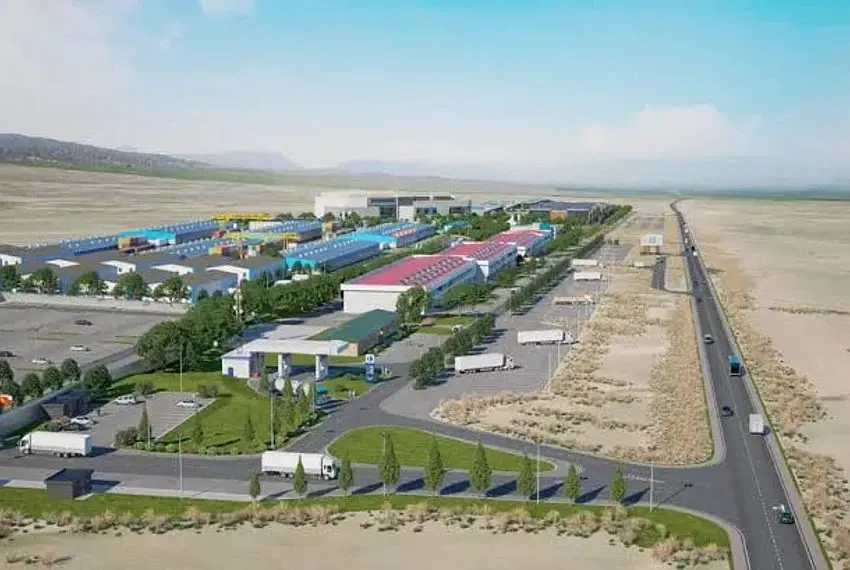
Kyrgyzstan now has 49 trade and logistics centres up and running across the country, according to its Ministry of Water Resources, Agriculture and Processing Industry. Nine of those facilities opened in 2026 alone, a sign of how quickly the Central Asian nation is building out the backbone of its farm export business.
The numbers behind the build-out are specific. The centres cover a combined 32,196.89 square metres, and their vegetable storage capacity stands at 171,938 tonnes. That is a serious amount of cold storage for a country whose economy leans heavily on agriculture — think potatoes, onions, beans, fruit and the dried apricots and walnuts the region is known for.
The ministry's stated aim is straightforward: better storage means less produce spoils between field and market, quality holds up longer, and farmers get a realistic shot at selling beyond their own borders. Post-harvest losses have long been a weak point for Central Asian agriculture, so warehouse and logistics capacity is often the difference between a profitable harvest and a wasted one.
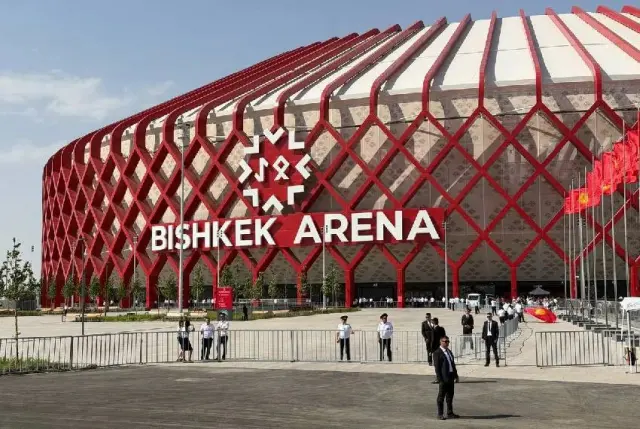
Why does this matter to travellers? Kyrgyzstan remains one of Central Asia's most rewarding and affordable destinations — horseback treks to alpine lakes like Song-Kul, yurt stays with nomadic families, and buzzing bazaars in Bishkek and Osh stacked with locally grown produce. Better logistics infrastructure gradually improves the supply chain behind all of that: fresher food in guesthouses and cafes, more reliable provisioning for treks, and busier rural markets worth wandering. Improved roads and freight hubs also tend to accompany this kind of investment, which quietly makes overland travel between regions easier.
For anyone following Central Asian trade or considering Kyrgyzstan as a niche food or agri-tourism destination, the trend line is worth watching. Nine new facilities in a single year suggests the government sees export agriculture as a growth engine, and travellers benefit at the edges of that story — in what ends up on the table and how smoothly the country runs.