At 9:40 p.m. on 15 February 1898, the American battleship USS Maine exploded in Havana harbour, killing more than 260 crew and helping spark the Spanish-American War. But the strangest chapter of the story came later — and it's one of the great salvage operations ever staged in Cuba.
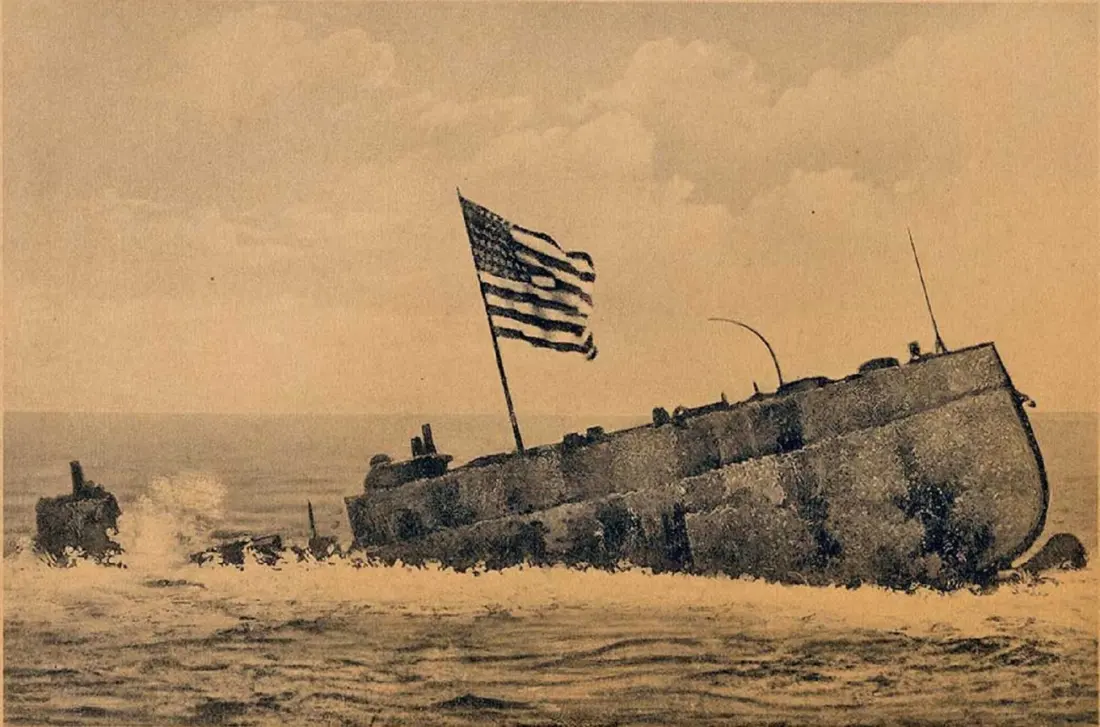
For twelve years the shattered 6,700-ton wreck sat visibly in the bay, a curiosity that boatmen rowed tourists out to see, until it began blocking navigation. In 1910 the US Congress funded its recovery, and by December, cranes were at work with a workforce that grew to hundreds of men. The plan was audacious for the era: build a cofferdam around the wreck — 3,190 steel stakes driven 23 metres into the seabed, topped by twenty cylindrical caissons 25 metres high — then pump the water out and leave the Maine sitting on a dry seabed in the middle of the harbour.
It worked, barely. The enclosure leaked, funds ran short, and by August 1911 the walls were flexing so badly that engineers dumped 20,000 tons of stone against them and checked pressure gauges every half hour. But from mid-June 1911 the wreck lay exposed for six months: mud-filled passageways, the cannon turret, the keel, personal belongings and the remains of 58 missing sailors. The team produced around 4,000 photographs of the hull. A second inquiry still blamed a mine — it took Admiral Hyman Rickover's 1975 re-examination to argue the likeliest cause was a coal-bunker fire igniting adjacent ammunition, an accident rather than sabotage.
On 26 January 1912 the job was done, at a cost of nearly a million dollars. Two months later, the mutilated hull — sealed with a wood-and-cement bulkhead and dressed in flowers — was towed out of the harbour in a grand funeral flotilla led by the battleship North Carolina, with El Morro's batteries firing salutes and bands playing Tosca. Around 100,000 watched as the Maine was scuttled at sea about five miles from Havana. Her mast had already gone to Arlington National Cemetery as a memorial.
At the time, the salvage was pure spectacle: Havana's papers covered every twist, and a zarzuela about the operation, "La extracción del Maine", ran for more than six months at the Molino Rojo theatre from January 1911.
Why should a traveller care? Because Havana's harbour is one of the few places where you can still trace a story that reshaped world history — the Maine's arrival and sinking are commemorated along the Malecón, and her anchor stands in the city. For anyone visiting Cuba with an interest in Spanish-American War history, El Morro and La Cabaña fortresses overlooking the bay are where the 1912 farewell salute was fired. And the tale itself is a reminder of how much layered, odd and genuinely fascinating history sits just beneath the surface of this harbour city — literally, in the mud of the bay.