A 52-year-old British man is facing serious prison time in Singapore after allegedly rigging a hidden camera inside the lavatory of a Scoot flight — a decision that ranks among the worst possible places to break the law, given the city-state's famously tough judiciary.
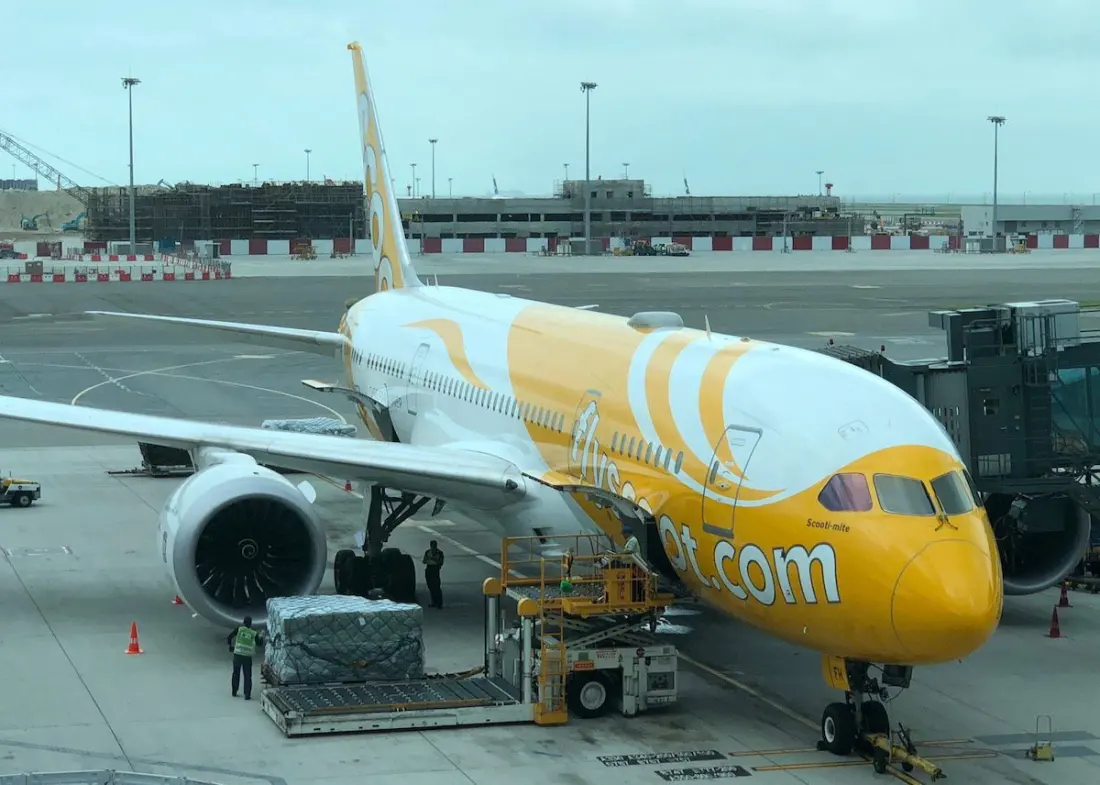
The incident happened on 7 October aboard a Scoot Boeing 787 flying from Osaka Kansai to Singapore Changi. Scoot is the low-cost subsidiary of Singapore Airlines. According to Singapore's Straits Times, the man installed the camera shortly after takeoff, with the device set up to be controlled remotely through an app on his phone.
The plan unravelled quickly. A flight attendant using the lavatory discovered the camera, removed it and alerted the crew. The passenger later returned to the lavatory to retrieve the device — apparently unaware it had already been taken. By then he had deleted the app and all related images from his phone, but the crew worked out who the camera belonged to, and he was detained when the aircraft landed in Singapore. His phone and the camera were seized, and he is now in custody awaiting a trial in the coming weeks.
The charges are not trivial. Voyeurism in Singapore carries up to two years in jail, a fine, caning, or a combination of these. Obstructing the course of justice — presumably tied to him deleting the evidence — is the heavier count, with a maximum sentence of seven years, a fine, or both.
The story is a reminder that covert photography is a real and recurring problem, not a one-off. South Korea, for example, requires all phones sold there to play a shutter sound even on silent mode, specifically to combat secret filming. Aircraft lavatories, despite their tiny size, are evidently not immune — and cabin crews are clearly alert to it.
For travellers, the practical takeaway is straightforward: privacy on a plane is protected, and the consequences of violating it depend heavily on where you land. Offences committed in the air can be prosecuted at the destination, and Singapore is among the strictest jurisdictions in the world — even relatively minor offences can carry fines, jail time or corporal punishment that would shock visitors from more lenient legal systems. What might be handled with a caution elsewhere can become a multi-year prison case in Singapore.
Anyone flying to Singapore — whether on Scoot, Singapore Airlines or any carrier — should go in knowing local law follows you off the jet bridge. And for the vast majority of travellers on the right side of things, it's worth knowing that crew do check lavatories, respond quickly to reports, and have taken a suspicious passenger into custody on arrival before. The system, in this case at least, worked.
One Mile at a Time