Pick any two beach resorts in Mexico and the weather may have little in common with a colonial city a few hours inland — and that's down to elevation. Because much of Mexico sits on high plateaus and mountain chains topping 10,000 feet, the country effectively splits into three climate zones, known in Spanish as tierra caliente, tierra templada and tierra fría. Knowing which one you're booking makes a real difference to what you pack.
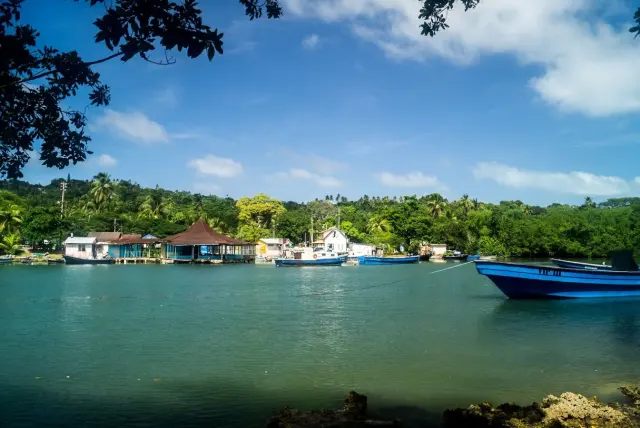
The hot land, tierra caliente, runs from sea level to about 750 metres (2,460 feet). This covers the beach resorts and coastal plains along the Pacific and Gulf of Mexico, the northern deserts, the lowlands of the Baja peninsula, the Isthmus of Tehuantepec and the Yucatán Peninsula. Expect warmth all year, but summers — especially south of the Tropic of Cancer during the May-to-October rainy season — can be extremely hot and humid. These coasts are also the parts of Mexico most exposed to hurricanes, which is why many travellers aim for late autumn through early spring instead.
The temperate land, tierra templada, sits between 750 and 2,300 metres (about 7,545 feet) and is where most visitors actually spend time without realising it. Mexico's celebrated colonial cities fall in this band, along with the three biggest metro areas: Mexico City, Guadalajara and Monterrey. The reward is mild, spring-like weather year-round — daytime highs can reach the mid-70s°F (around 23°C) even in winter. The catch is the overnight swing: at these elevations the temperature can drop to near freezing after dark in late autumn and winter. Rain falls mainly May to October, then stops abruptly, and the dry stretch from February to late May is pronounced.
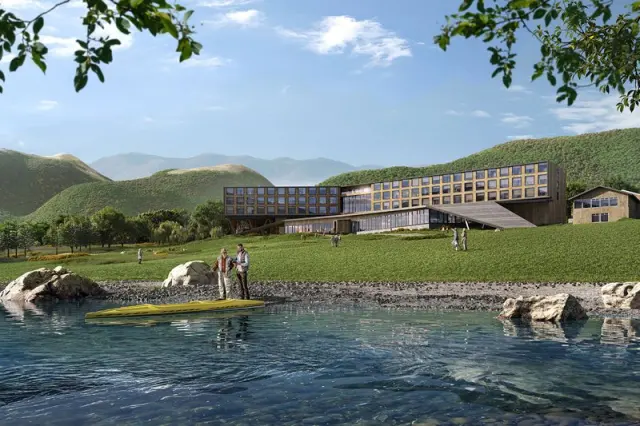
Finally, tierra fría — the cold land above 2,300 metres — is mountain and volcano territory. This is where you'll find Pico de Orizaba, Mexico's highest peak and the second-highest in North America, plus the active Popocatépetl and the extinct Iztaccíhuatl. Few towns exist at these altitudes; the exceptions are mostly long-established indigenous communities such as San Juan Chamula and Zinacatán in Chiapas. Most travellers encounter the cold land only on hikes and mountain expeditions.
Why it matters: if you're choosing between, say, a Riviera Maya beach week and a Oaxaca or San Miguel de Allende city break, you're really choosing between two different climates — and packing for two different holidays. Beach-bound? Shoulder season (November to April) trades peak heat and hurricane risk for comfortable conditions. City-bound? Bring layers, because the same day can serve you 23°C afternoons and near-zero mornings. Anyone planning a longer stay, retirement or a property purchase in Mexico has even more at stake, since the zone you pick defines your daily weather permanently. The simple rule: latitude sets the baseline, but elevation decides what you'll actually feel.