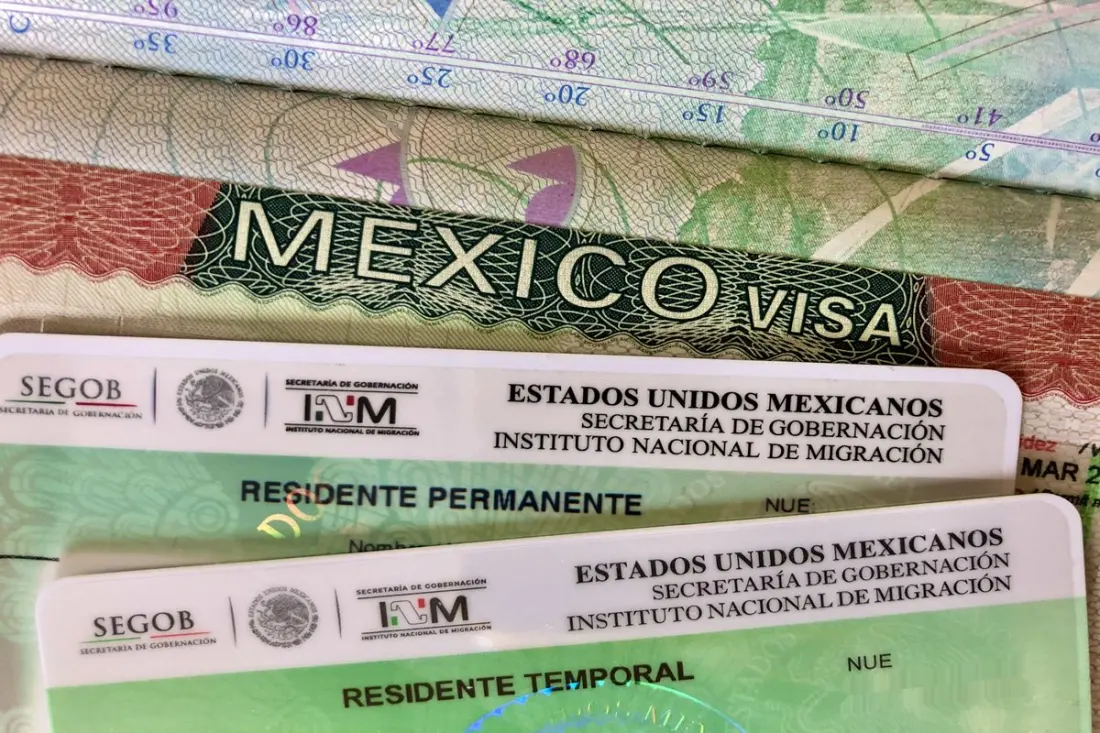
Mexico offers two main residency tracks — temporary, which can convert to permanent after four consecutive years, and permanent — and the right one depends heavily on your life stage and plans. Retiring on investments, working locally, or chasing citizenship all point to different routes, and picking the wrong one can mean a rejected application or trouble at the border.
If you're living in Mexico part-time and not working, a Visitor's Permit (the FMM) lets you stay up to 180 days, though immigration officers at the port of entry can and do grant fewer days — the full six months isn't guaranteed. Short volunteering stints under six months can also be done on a visitor permit. But the era of the 'perpetual visitor' — people who keep re-entering on FMMs while effectively living in Mexico — is closing. Entry rules have tightened, and part-timers are now strongly advised to apply for proper residency rather than risk being turned away at the border.
For full-time residents who don't work — retirees and those living off investments, or snowbirds overwintering — temporary or permanent residency is the path. Here's the catch: if you're not retired, you can't apply for permanent residency immediately, even with plenty of money. You'll need four consecutive years of temporary status first, or two years if you're married to a Mexican national. Most applicants qualify on the basis of income or savings; some qualify through family connections via the Family Unit route.
Working in Mexico is stricter still. Legal work requires a temporary residency card with work permissions, or permanent residency. Since Mexican consulates only issue permanent residency to retirees, anyone planning to work must start with temporary status. Enforcement is stepping up, too: immigration officers are conducting spot-checks at commercial premises and detaining foreigners working on visitor permits or on temporary cards without work permissions. If you have a job offer, your employer must sponsor the permit through immigration offices in Mexico, and you then collect the visa sticker at a consulate abroad. Self-employment applications are notably complex and usually need professional guidance.
Aiming for citizenship? You'll need at least five consecutive years of legal residency first, plus proof you were physically present in Mexico for at least 18 of the two years before applying — plus other requirements in the application itself.
Who is this for? Anyone plotting a snowbird season, a retirement abroad, a remote-work base, or a full relocation to Mexico. The key takeaway: figure out your goal before you apply, because the route you pick at the start shapes what you can do later — and with border officials granting variable time on visitor permits and checking up on working foreigners, doing it properly is now the safer option.