
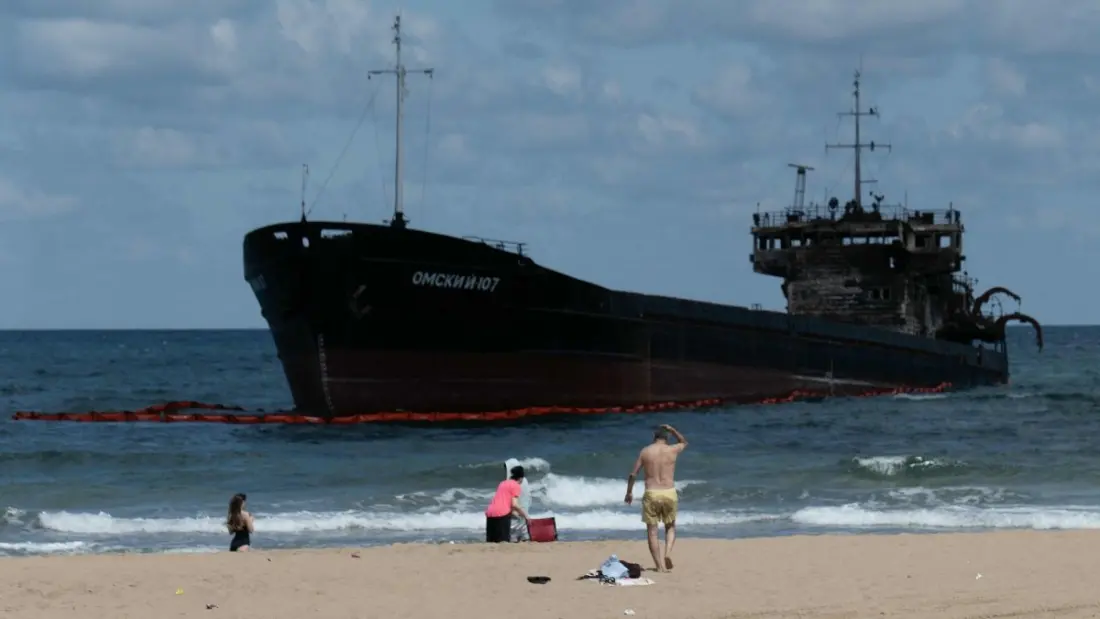
Ankara has handed Moscow and Kyiv a draft memorandum aimed at ending strikes on civilian vessels in the Black Sea, according to a Turkish diplomat speaking to AFP. The proposal comes after a sharp escalation: industry figures show at least 25 Turkish-owned ships have been hit since late June, four of them under the Turkish flag, many in drone attacks.
The war is now in its fifth year, and both sides have been targeting shipping to choke off the other's export revenues. Türkiye, a NATO member that keeps ties with both capitals and has skipped Western sanctions on Russia, has the most to lose — its ships are among the busiest in the sea, often sailing under other countries' flags. Foreign Minister Hakan Fidan called for a moratorium on attacks back on August 8, but the strikes continued. In August the Foreign Ministry even summoned Ukraine's envoy after the Turkish-owned container ship Lider Bordo Mavi was hit off the Russian coast, followed by the Lider Kocatepe as it came to tow her. The Bordo Mavi, later seen anchored at Trabzon, showed heavy fire damage to its bridge and lower decks.
The new text borrows from two precedents. The first is the 2022 grain deal brokered by Türkiye and the UN, which gave Ukrainian grain safe passage until Russia pulled out a year later. The second is the coastal route Ukraine built afterwards, hugging Romania and Bulgaria — workable, but with a risky four- or five-mile stretch through international waters. Ankara's fix: keep vessels inside territorial waters as much as possible, using a corridor along Romania and Bulgaria, and a second route along the eastern and southern shores via Georgia and Türkiye, if those states agree. President Erdoğan is expected to raise the matter with Vladimir Putin in November.
Whether it flies depends entirely on Moscow and Kyiv signing on — the August moratorium call went nowhere. But for anyone with Black Sea plans, the stakes are real. Cruise itineraries in the region have already been disrupted for years, and cargo traffic through the Bosphorus matters for everything from food prices to ferry and port operations around Istanbul and the Turkish coast. If a security corridor holds, it could slowly rebuild confidence in a sea that was once a popular cruising and ferry region linking Türkiye, Georgia, Romania, Bulgaria and Ukraine. Until then, travellers with bookings touching the northwestern Black Sea should follow flag advisories and their operator's routing updates.