Flip over a freeze-dried backpacking meal and the sodium number can be startling — some pouches carry more than 1,500 mg, about two-thirds of the 2,300 mg daily limit most adults are told to stick to. Yet plenty of hikers who side-eye that label will happily stir electrolyte powder into every bottle and munch salty pretzels all day. A dietitian writing for Backpacker (via Outside Online) tackles that contradiction, and the answer is more nuanced than either 'salt is bad' or 'sweat it, replace it'.
The core insight is that two hikers can carry almost identical food and end up with wildly different sodium loads. One sample day of trail food — roughly 3,150 calories, about 23 ounces dry — totalled around 5,190 mg of sodium, built from a Mountain House Breakfast Skillet (1,420 mg), garlic parm pretzels (1,590 mg) and Beef Lasagna (1,180 mg). A second day with the same calories and weight came in under 2,000 mg, thanks to swaps like oatmeal, peanut butter instead of tuna, and a low-sodium Good To-Go Pad Thai. Neither menu is wrong; the point is to read your own food bag before deciding you need supplements on top.
Sweat complicates the picture. Research shows sweat sodium concentrations range from roughly 230 to 1,600 mg per litre, and heat, effort, clothing and individual physiology all shift the number — mileage alone tells you little. Even then, losing 800 mg through sweat doesn't mean you need to eat 800 mg, because the body regulates its own balance. Extra sodium hasn't been consistently shown to boost endurance performance, so chasing an exact replacement target isn't worth the maths.
One safety note worth flagging: the Wilderness Medical Society says most cases of exercise-associated hyponatremia — a dangerous drop in blood sodium — come from drinking too much fluid, not from losing too much salt. Electrolyte packets won't save you if you're overdrinking. Drink to thirst, keep salty foods available on long hot days, and know that headaches, cramps and fatigue aren't reliable sodium signals. Confusion, repeated vomiting or collapse on trail is an urgent medical situation, not an electrolyte problem.
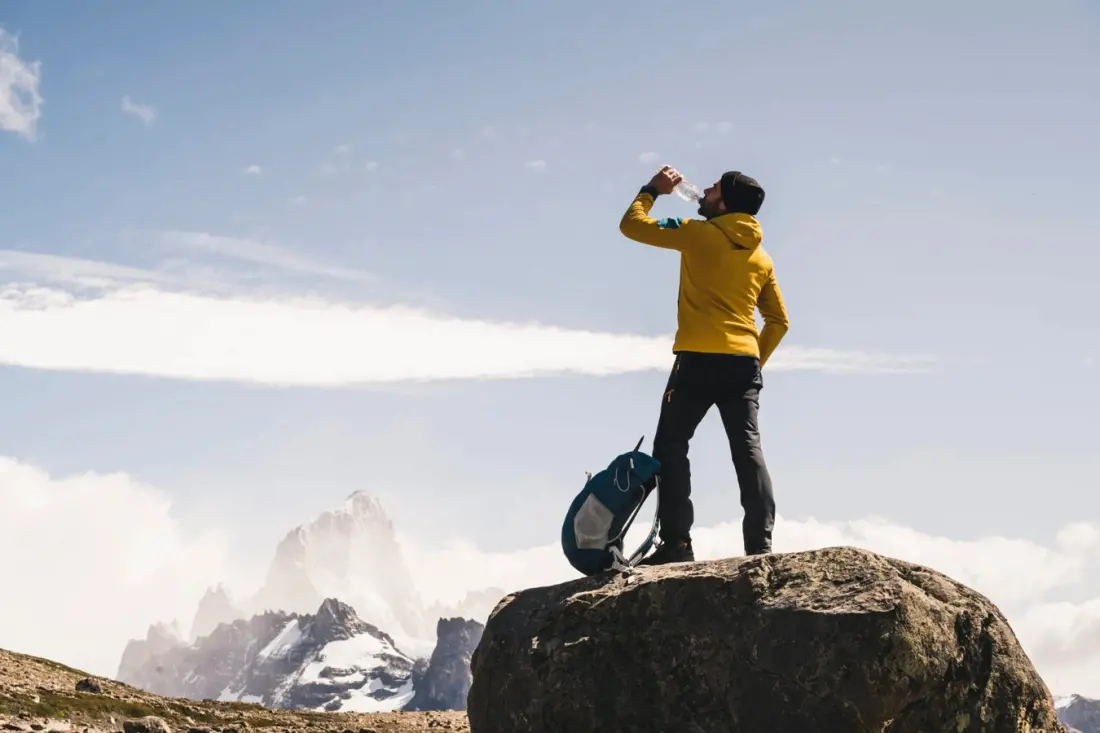
Why should holiday travellers care? Anyone doing a strenuous walking trip — a multi-day trek, a long day hike in summer heat — runs into the same decisions about electrolyte drinks and salty snacks. The practical takeaway: tally what's already in your pack, spread salty food across the day rather than saving it all for dinner, and only add electrolytes if your menu is genuinely low in sodium or you struggle to eat while moving. As the dietitian puts it, hike your own hike — track what you eat, drink and feel, and adjust on the next trip rather than counting milligrams.