A Category 5 hurricane is churning up Mexico's southwestern Pacific coast this week, and holidaymakers with trips to the region are understandably asking whether to go ahead. Hurricane Polo, dubbed "extremely dangerous" by the US National Hurricane Center, is packing maximum sustained winds of around 180 mph (285 km/h) — the top rating on the Saffir-Simpson scale.
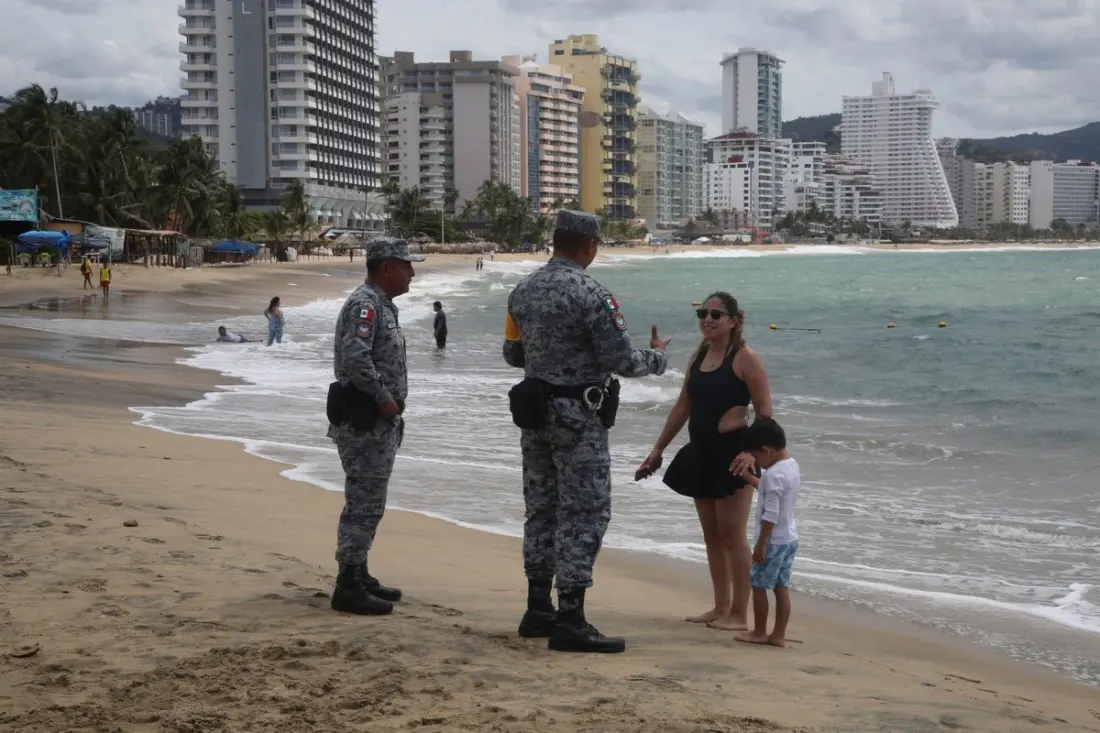
The good news, if you can call it that: forecasters expect Polo to stay offshore and skirt the coastline rather than make landfall. The bad news is that "staying offshore" doesn't mean smooth sailing for anyone on the coast. Mexican meteorologists are predicting wind gusts of 60 to 80 km/h and waves of five to six metres along the shores of Michoacán and Guerrero, with two to three metre swells reaching Oaxaca. A tropical storm warning is active for all three states, and there's a real risk of torrential rain, flooding and mudslides. Warm El Niño waters mean the storm is expected to hold its intensity for several days.
So what does this mean for your booking? The UK Foreign Office has not issued any hurricane-specific warning against travel to Mexico, which matters more than you might think — because without an FCDO advisory, your standard cancellation rights don't change. Airlines so far are reporting no major disruption at regional airports in the affected zone, though the US embassy in Mexico cautions that schedules could still be affected and passengers should check directly with their carriers.
If you're hoping to cancel and get money back, the picture is blunt: tour operators aren't obliged to refund you just because a storm is out at sea, and travel insurance won't typically pay out for cancelling over safety worries unless government advice actually changes. That said, some policies include natural disaster cover for situations where a storm prevents you from reaching your destination — worth digging out your policy documents and phoning your insurer before making any snap decisions.
It's also worth separating the weather from the wider advice. The FCDO already advises against all but essential travel to parts of several Mexican states — including Guerrero and Michoacán, plus Baja California, Chihuahua, Sinaloa, Tamaulipas, Zacatecas, Guanajuato, Jalisco, Colima and Chiapas — but that guidance exists because of crime and violence, not the hurricane.
The practical takeaway for anyone travelling to Mexico's Pacific coast in the coming days: keep an eye on updates from the National Hurricane Center and Mexico's meteorological service, follow instructions from local authorities and your tour operator, and check the FCDO's guidance on extreme weather before you fly. Storms like this can shift course quickly, so assume nothing is locked in until you're on the ground.
Reporting by The Independent Travel.