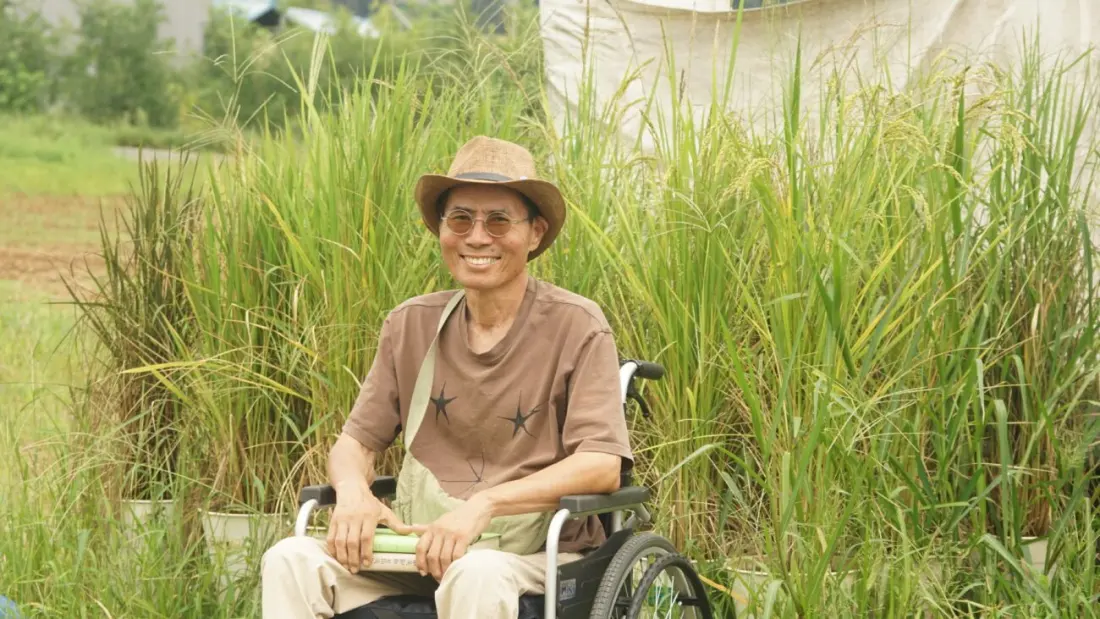
Korea's rice fields were once far more varied than the polished white grain in a modern bowl suggests. Digging through old agricultural records, farmer Lee Geun-yi found a startling figure: before Japanese colonial rule began in 1910, more than 1,450 native rice varieties were grown across the Korean peninsula. Almost all of them have since vanished from cultivation.
Lee, who runs Woobo Farm, has made it his mission to reverse that loss, tracking down seeds and reviving forgotten grains in Korean fields. The colonial period is the hinge point in this story — from 1910 onward, the country's agricultural system was reorganised, and the diverse traditional rices that farmers had selected over centuries were displaced. What survived was a much narrower range of varieties, which is largely what you'll eat today whether you're at a Seoul dinner table or a rural farmhouse.
Why does a lost grain matter to a traveller? Because Korean food culture is inseparable from rice, and the single-variety monoculture most visitors encounter is a fairly recent historical accident. Farmers like Lee are effectively restoring flavours, textures and colours that nobody has eaten in living memory — a kind of edible archaeology that's slowly making its way from research fields to restaurants and local markets.
The broader movement around heritage grains in Korea taps into something bigger: a growing interest in where food comes from, and in the farming traditions that predate the 20th century's drive for uniform yields. For visitors, that means new ways to taste the country — heirloom rice dishes, farm visits, and regional food experiences that go well beyond barbecue and kimchi, excellent as those are.
Even if you never set foot on Woobo Farm, it's worth keeping an eye on the menus and shops where these revived grains appear. Eating a rice variety that survived only in paper records is about as close as food tourism gets to time travel — and it directly supports the farmers doing the patient work of bringing them back.
Full details of Lee Geun-yi's project appear in a feature by Roads & Kingdoms.