Seventy days into a 72-day, 1,000-plus-mile thru-hike across Wales, one hiker was quietly congratulating herself on an injury-free trek. Then her right shin started hurting. Two days later, eight miles from the finish, she was barely limping to the end — and the cost of pushing on turned out to be a Grade 2 tibial bone stress injury, a postponed 60th-birthday climb of Kilimanjaro, and a hard lesson in trail tactics.
The warning signs were there. Similar pain in the other shin had appeared days earlier and vanished overnight, so the right-leg twinge didn't raise alarms. But it stuck around. An x-ray ruled out a fracture and delivered a reassuring-sounding diagnosis of tendonitis. Days later, unable to sleep at 2am, she searched for a self-pay MRI — and found one for 8:30 that same Sunday morning. The scan told a different story: inflammation in the periosteum, the tissue wrapping the bone, plus mild edema in the bone marrow itself. Not a fracture, but heading that way. Verdict: no impact activity, six to eight weeks of recovery, minimum.
The timing was brutal. The Welsh trek was meant as final training for a Kilimanjaro climb booked for her 60th birthday in late October. Within a day of the diagnosis she'd accepted the birthday climb was off — but the story has a decent ending. Her guiding company let her switch to a departure on the same route summiting on Christmas Eve, so Kilimanjaro still happens this year, with the climb starting 17 December and departure to Africa on 29 November. The animal rescue shelter she'd planned to volunteer with — and had fundraised for during the hike — was equally flexible, so she'll now do that in November instead.
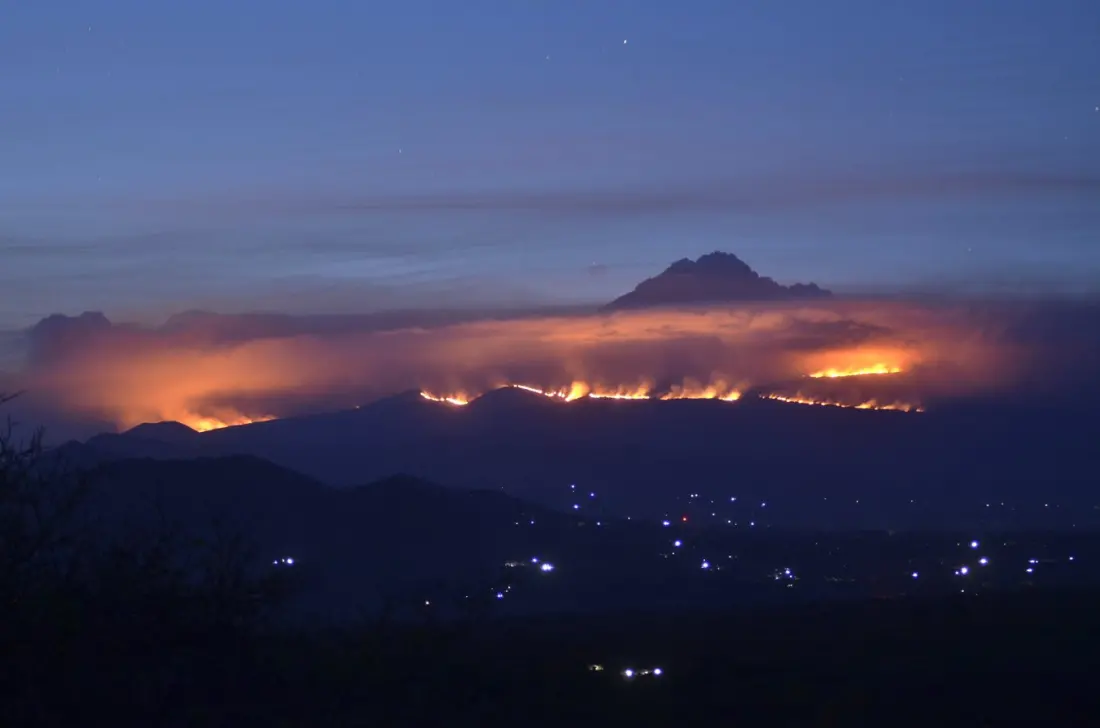
There were other silver linings, some accidental. Two October events she'd have missed in Africa are back on the calendar. And Kilimanjaro National Park had been dealing with wildfires that forced hikers onto re-routed paths — stress she's glad to have skipped, since the situation had largely settled by the time she booked her new dates.
Her prep now is the opposite of what comes naturally: slow, supervised, and patient. Twelve days post-MRI, the focal bone pain is gone and she's pain-free in daily activity, but her physio is enforcing a gradual return to training — slower than she'd choose herself. She admits that without the MRI evidence, she'd be on a plane to Africa in ten days regardless. The gear list and full trip report are promised once she's back from a fortnight in California.
Why does this matter to travellers? Long-distance walkers and trekkers routinely make the same call she did: nagging pain, a finish line close, one more day of pushing. This is a clear-eyed account of what that gamble can cost — and how a same-week private MRI, a flexible guiding operator, and a willingness to shift dates can rescue a trip instead of cancelling it. For anyone planning a big trek, the takeaway is simple: build buffer days into your itinerary, take rest days seriously, and book with companies and charities that can move dates when your body votes otherwise.
The Trek