Summer in Rome has become a contest of endurance: brutal heat, queues snaking around every monument and streets too packed to enjoy. Locals and long-term residents know the secret the tourists are catching on to — the city is far better between September and spring. Come winter, temperatures stay mild, sunshine is common, and the crowds that clog the Colosseum in August have thinned to a trickle.
The city is at its best on foot, and a Sunday is the ideal time to do it. One rewarding route starts with coffee near Piazza Vittorio in Esquilino, the lively multicultural neighbourhood beside Termini station, then follows Via Merulana — a broad, tree-lined boulevard with a Parisian feel — through Colle Oppio park and down past the Colosseum to Circo Massimo. Across from the ancient chariot-racing track sits the Museo della Cucina, a museum devoted to the history of food and cooking that also runs a vintage market, with a farmers' market nearby for lunch supplies.
Winter is eating season in Rome. Chefs lean into produce like carciofi (artichokes) and puntarelle, the crisp chicory shoots served with a punchy dressing, while the classics — carbonara, cacio e pepe, amatriciana, plus warming soups like minestrone and pasta e ceci — dominate menus. Two names worth remembering: Cucina Pepe in Esquilino for what locals call the best pasta all'arrabbiata in the area, and Trattoria Morgana just off Via Merulana. When the evening calls for a glass of wine, Wine Art di Tiziana, again in Esquilino, is warm enough for outdoor tables well into winter, and the slower pace makes chatting with neighbours — and strangers — far easier than in peak season.
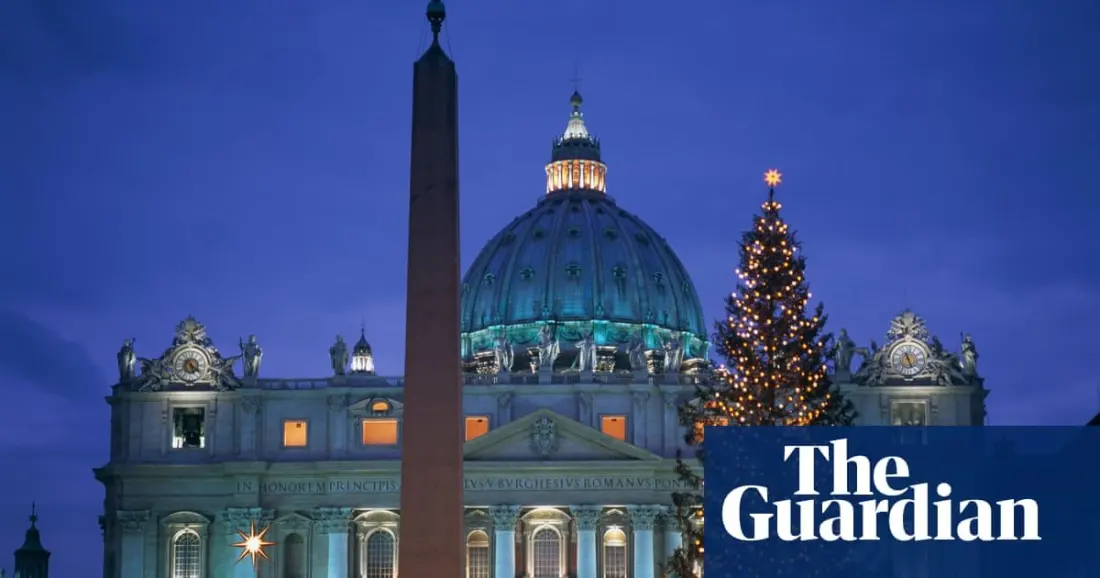
The festive season kicks off officially on 8 December, a national holiday, when churches across the city unveil their presepi (nativity scenes). St Peter's Square hosts the Vatican's life-size scene plus Rome's biggest Christmas tree; Santa Maria Maggiore claims the world's oldest sculpted marble nativity alongside its relic of the holy crib; and Santi Cosma e Damiano displays an elaborate 18th-century presepe of nearly 200 wooden and ceramic figures. Rome proper isn't a Christmas-market city — just a few stalls in Piazza Navona and Villa Borghese — but a direct train runs to Arezzo in Tuscany, whose Tirolean-style market of wooden chalets makes an easy festive day trip.
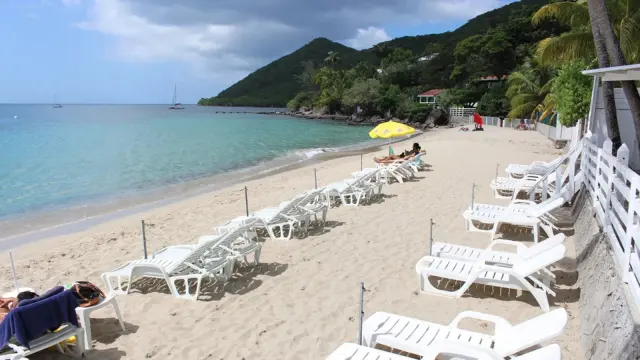
If you want to push further, winter is quietly brilliant for the Roman coast and the hot springs. Santa Severa, under an hour by train, has a castle right on the beach; Santa Marinella is the next stop along. For something warmer, the Terme dei Papi in Viterbo and the free public pools at San Casciano dei Bagni in Tuscany deliver proper thermal soaking — the latter beside an archaeological site where a hoard of Etruscan-era bronze statues was unearthed in 2022.
For anyone put off by Rome's summer crowds but drawn by its food, history and atmosphere, the colder months are the sweet spot: gentler pace, easier reservations, softer light on the ancient stones, and a city that feels like it belongs to the people walking it.
Thanks to The Guardian Travel for the original story.