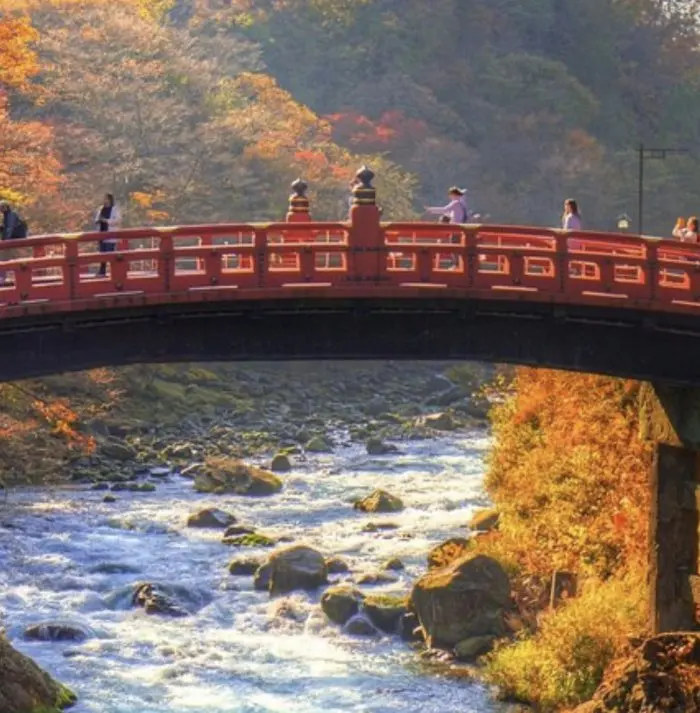
The classic Japan loop — Tokyo, Kyoto, Osaka — isn't dead, but new booking data suggests travellers are stretching it well beyond its old boundaries. Tourist Japan's latest trends report shows inquiries for destinations off the golden route jumped 65% year-on-year, with Nikko, Kamakura, Kanazawa and Takayama leading the charge.
The interesting twist? Most people aren't skipping Tokyo. Over 95% of the company's package travellers still start in the capital, and many simply stay there, treating it as a base for day trips rather than a two-night stopover. That shift is showing up in actual bookings: passenger numbers on the Best of Nikko small-group day tour from Tokyo rose 42% in the first half of 2026, while Kamakura, Kanazawa and Takayama tours grew 12%, 11% and 9% respectively. Tourist Japan has even added a new Kamakura & Enoshima small-group day tour from Tokyo to keep up.
Founder Ben Julius frames it as an either/or that no longer exists: travellers are combining the capital with regional destinations that offer fewer crowds and a more intimate read on the country. That matters right now, because overtourism in Kyoto and other hotspots has become a genuine concern, and this dispersal helps spread visitor spending into towns that rarely feel overrun.
Other numbers from the report point in the same direction. Second-time visitors climbed from 5% to 12% of bookings — more people have done the highlights and are coming back for the rest. Requests mentioning flexibility or tailor-made itineraries rose 23%, custom tour bookings grew 17%, and the average package length stretched from eight days to ten. In short: longer stays, slower pace, more say in the itinerary.
For anyone planning a 2026 trip, the takeaway is practical. You can still anchor yourself in Tokyo and reach remarkable places without repacking a suitcase — Nikko's shrines and Kamakura's Great Buddha are easy day trips, while Kanazawa and Takayama reward an overnight or two if you can spare it. For returning visitors especially, the regional route is where Japan starts to feel personal rather than performative.