Yamanashi Prefectural Police confirmed on November 19 that the search for Chen Jie, a 25-year-old Chinese climber, has been ended. He went missing on November 8 while climbing Japan's highest peak — 3,776-metre Mount Fuji — alone, out of season, and reportedly without the gear the mountain demands at that time of year.
Chen and two companions set off up the Yoshida Trail, the most popular route on the mountain, despite it being deep into the closed season. As weather deteriorated, the two others turned back, citing poor conditions and inadequate equipment. Chen pressed on solo. He had no crampons and not enough cold-weather clothing. His final video message was sent that morning from between 2,300 and 2,700 metres, high on the slopes.
His father flew to Japan and posted a reward of RMB500,000 — about $75,000 — for information leading to his son being found alive, and RMB100,000 ($15,000) for the recovery of his body. The search has now formally ended without him being found.
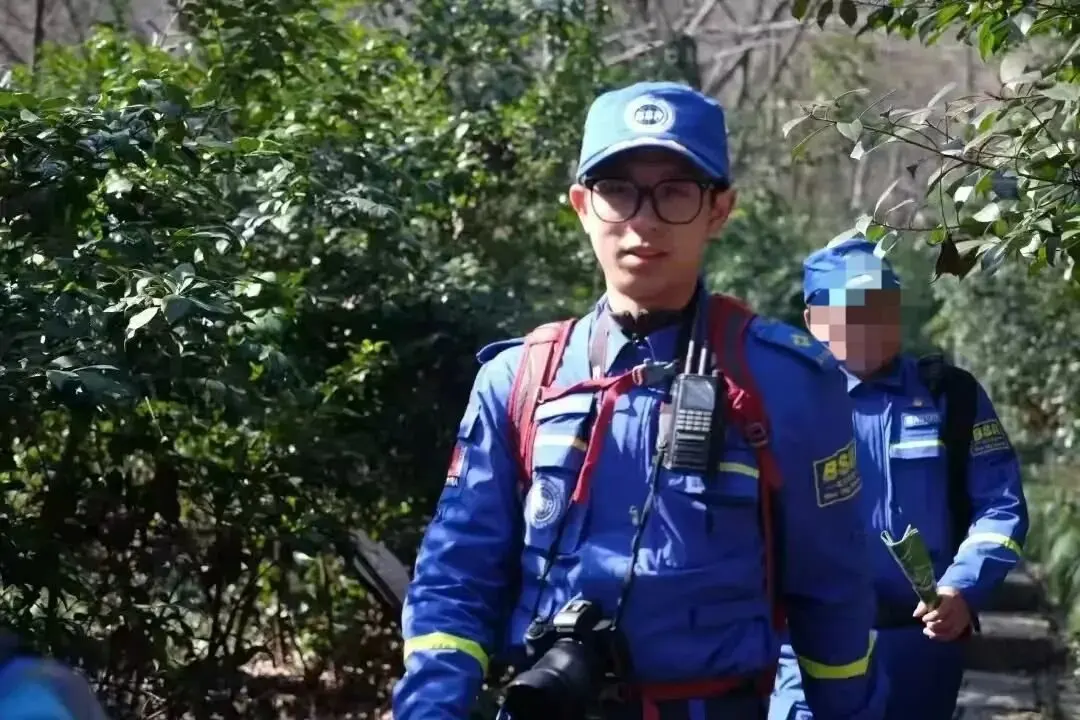
There's a painful irony in the story: Chen was a member of China's Blue Sky Rescue Team, a volunteer search-and-rescue organisation. His mother told local media he had taken part in rescue operations back home and had real mountaineering experience, including trekking and climbing in Nepal and Indonesia. Experience, clearly, was not the issue — the season and the equipment were.
For anyone tempted by Fuji outside the official climbing window, this is the cautionary tale. The official season — roughly early July to early September on the Yoshida Trail — exists because the mountain transforms once it closes: snow, ice, fierce winds and freezing temperatures, with huts shut, no rescue infrastructure on standby, and far fewer people around to help if things go wrong. Japanese authorities have been tightening rules in recent years, including entry fees and caps on daily numbers during the open season, precisely because the mountain is more dangerous and more crowded than many visitors expect. Off-season ascents are discouraged, and those who attempt them are expected to be fully equipped, experienced and self-sufficient.
The takeaway for travellers is simple: iconic peaks have seasons for a reason. If Fuji is on your list, go in summer, book mountain huts or start from the fifth station early, and pack for conditions far colder than the base. If you want a shoulder-season taste of the mountain, the trails around the lower slopes and the Fuji Five Lakes area remain accessible and far safer.