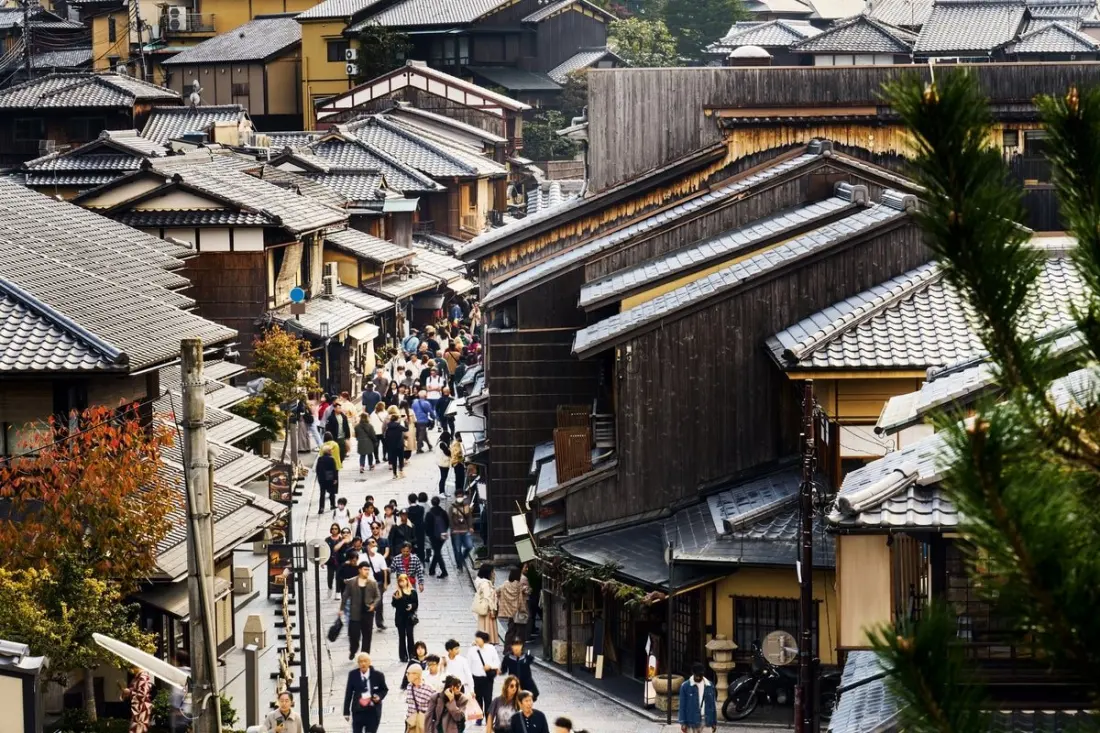
Kyoto is moving ahead with a two-tier pricing system that will see tourists pay noticeably more than residents for everyday things like a bus ride. The city's municipal government has tabled a draft ordinance that would push the tourist bus fare from 230 yen (about £1.09) up to 360 yen (roughly £1.70), while locals would actually pay less — 200 yen, or about 95p. The city assembly debates the proposal next week, with the new fares targeted for April 2027.
The logic is simple: Kyoto's buses have become a flashpoint between visitors and commuters. Residents have complained about jostling for space with tourists hauling suitcases onto packed city routes, and officials hope making tourist rides pricier will spread visitors out — perhaps onto the subway or on foot — while the resident discount keeps locals on side.
There's a catch for tourists hoping to dodge the higher fare: residents will only get the cheap rate by linking their transit smart card to their national ID card. Pay cash, and you pay the tourist price. Mayor Koji Matsui has stressed the city will still "welcome tourists warmly" — the discount is meant for locals, not to keep anyone out.
Buses aren't the only thing getting a two-tier price. Kyoto also wants dual pricing at Nijo Castle, the 15th-century Unesco-listed site with its famous Ninomaru Palace, from next June. Non-residents would pay 2,000 yen (about £9.50) instead of the current 1,300 yen (£6.17), while city residents would pay 1,000 yen (£4.75).
It's part of a broader squeeze on overtourism. Kyoto logged a record 62.79 million visitors in 2025 — 50.11 million domestic and 12.68 million from abroad, with China, the US, Taiwan, Australia and South Korea the biggest source markets. Back in March, the city overhauled its overnight accommodation tax: the top bracket jumped tenfold, so the ceiling went from roughly £4.92 a night to as much as £49.23 for high-end stays. And last year, officials in the Gion geisha district moved to close off alleys to photographers harassing geiko and maiko.
For anyone planning a trip, the practical takeaway is that Kyoto is deliberately nudging tourists to behave differently. Expect to pay more for buses and big-name sites from 2027, consider a prepaid IC card (which you'll likely need anyway once the system lands), and think about using the subway or walking for shorter hops — central Kyoto is far more walkable than its crowded bus routes suggest. The city isn't closing its doors; it's just rebalancing who pays for the pleasure.