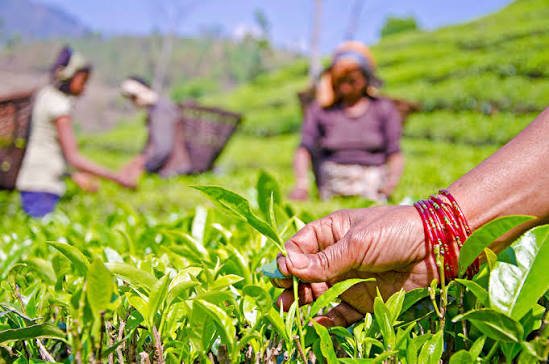
A corner of eastern Nepal better known to trekkers as a transit point on the way to Darjeeling or the hills of Ilam is quietly working on something that could change how travellers taste the region. In Bhadrapur, the gateway town of Jhapa district, authorities are setting up a tea testing laboratory — a joint effort between the National Tea and Coffee Development Board's regional office, the local Food Technology and Quality Control Division, and the Jhapa District Administration.
The idea is straightforward: Nepali tea has an identity problem. Loose leaf grown in the lowland gardens of Jhapa often gets blended or rebranded across the border in India, and buyers abroad rarely know what they are drinking actually came from Nepal. A proper testing lab would certify quality, verify authenticity and give the country's tea a traceable stamp of origin. For a country where smallholder farmers dominate production, that kind of certification can mean better prices and a stronger story to tell.
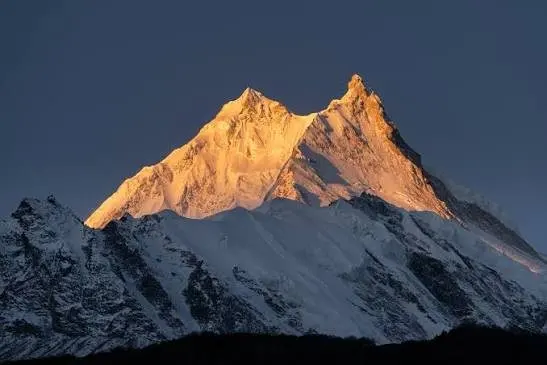
Why should this matter to anyone booking a holiday? Eastern Nepal is one of South Asia's most underrated slow-travel corners. The tea gardens around Bhadrapur, Ilam and the rolling Mahabharat foothills offer misty morning plucking sessions, small factory tours and homestays where your morning cup is picked metres from your pillow — all at a fraction of the cost of a Darjeeling estate stay, and far less crowded. Kanyam and Antu Danda, both within reach of Bhadrapur, have become favourites with domestic tourists for sunrise views over the tea slopes toward the Kanchenjunga range.
Better quality control also makes a visit more rewarding. Once a lab is running, visitors can expect clearer labelling on what they buy, estate tours that talk about grading and cupping in standardised terms, and souvenirs that actually taste like the place they came from. Nepal's tea calendar runs with the seasons — spring flush from around March to May is prized for its delicate character, while autumn flush brings a fuller cup — so timing a trip around harvest adds another layer to the experience.
The lab is still in the planning stage, so don't expect certified tasting rooms on the ground just yet. But as a signal, it matters: the institutions behind Nepali tea are investing in proving that what grows on these hillsides deserves its own name. Travellers who enjoy going somewhere before the guidebooks catch up — and leaving with a bag of leaves that will never taste quite like this again — should keep eastern Nepal on their shortlist.