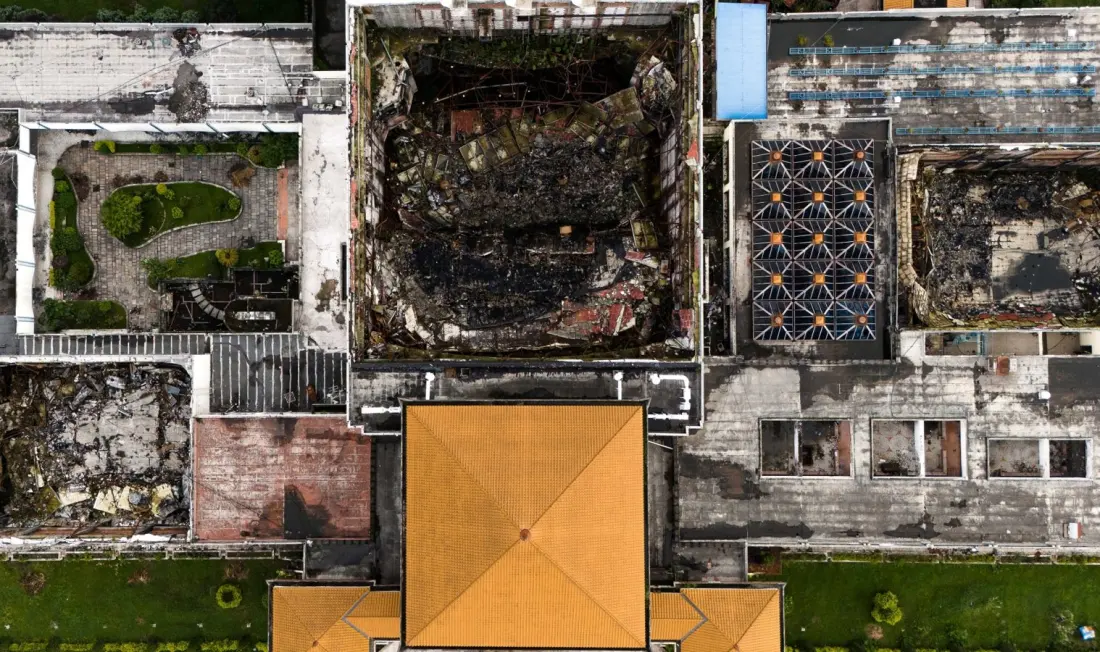
Kathmandu still carries the scars of September 2025. After 19 young protesters were killed outside Parliament on 8 September, a wave of fury swept through the capital the following day and set fire to the very buildings that house Nepal's state: the old Parliament, the Supreme Court, Singha Darbar (the secretariat complex), and the Kantipur media building. Schools and private businesses were caught up in it too. The ruins smouldered for three days.
The destruction wasn't random at first — it was targeted — but by the afternoon of 9 September it had curdled into broader looting and arson, with grudges of every kind settling scores under cover of chaos. The Inquiry Commission established afterwards documented the first day in detail, but largely ignored the second, a gap that continues to feed frustration.
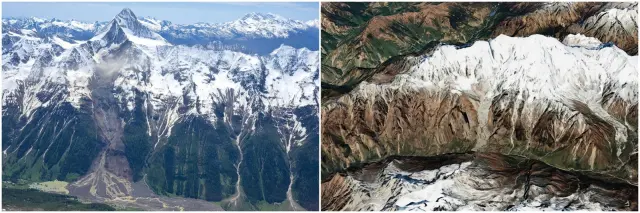
Politically, the fallout reshaped the country. An interim government took over, elections followed, and the RSP led by Prime Minister Balendra Shah won close to an outright majority. But governing has been rough: a fuel crisis linked to the West Asia war, infighting within the ruling party, and, on 26 August, a disaster in the Trisuli Valley.
A year later, the physical reconstruction tells its own story. The new Parliament and Supreme Court buildings are close to completion. Singha Darbar, which had already been repaired once after the 2015 earthquake, is being renovated for a second time. Kantipur's staff have relocated to temporary newsrooms in Tinkune while its high-rise in Thapthali is fixed. For locals, these half-finished shells are more than construction sites — they're reminders of impunity and unfinished political business.
Why does this matter if you're planning a trip to Nepal? Kathmandu is far more than its government buildings, and everyday life — thamel cafes, trekking permits, mountain flights — continues as normal. But it helps to understand the context: Nepal went through genuine upheaval, the fuel situation has been strained, and there's a raw public mood around accountability that visitors should be aware of. Avoid political gatherings or protests if you encounter them, and expect visible construction and security around key sites. Most travellers pass through Kathmandu en route to the Himalayas, and the trekking regions were untouched by the unrest — but knowing what those burned buildings mean will make any walk through the city's centre a lot more meaningful.