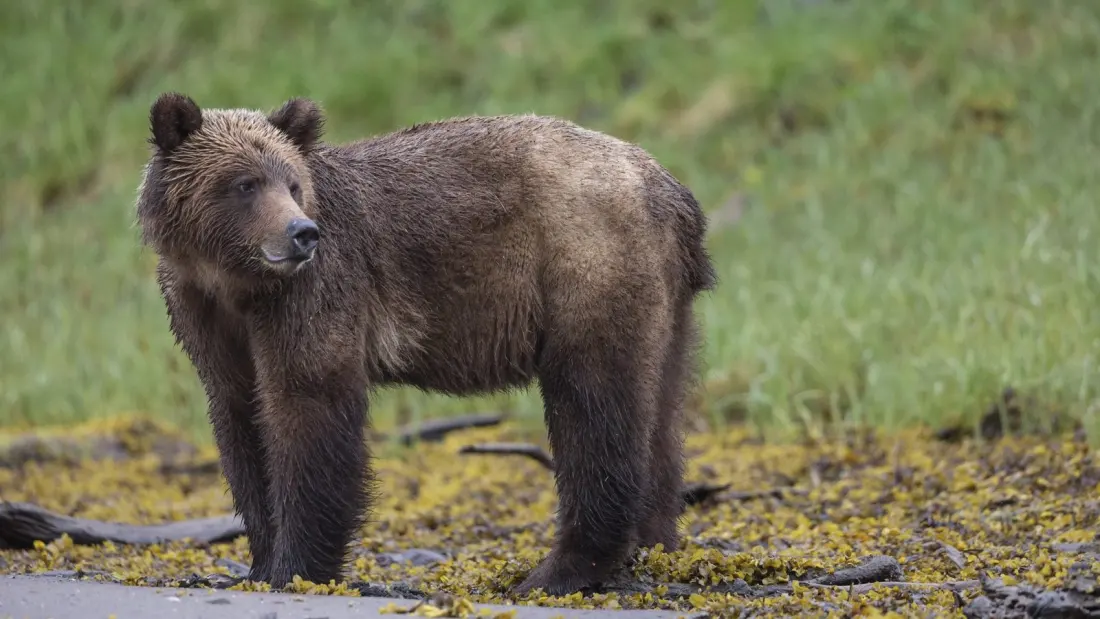
A mother and daughter died in a suspected grizzly bear attack near Bella Coola on British Columbia's central coast, the second serious bear incident to hit the same valley in just over a year.
The victims were 48-year-old Jennifer Balcarras and her 20-year-old daughter, Selah Reed. Family members reported the pair overdue on Sunday, November 1. Searchers found one body near the Snooka West Trail the following afternoon, and the second late Tuesday night. Evidence at the scene pointed to an animal, and the B.C. Conservation Officer Service (BCCOS) is treating it as a grizzly attack. It is not yet known whether more than one bear was involved; officers are working to trap bears in the area, and any animal linked to the attack will be destroyed under provincial human-wildlife conflict guidelines. The Snooka West Trail remains closed.
The Bella Coola valley, home territory of the Nuxalk Nation, is no stranger to this kind of trauma. On November 20, 2025, a grizzly attacked a local school group having lunch near Highway 20. Adults fought the bear off with spray and a banger, but four people — three of them children — were badly hurt and seven others were treated at the scene. The subsequent investigation was extraordinary by any measure: 24 officers responded, eight grizzlies were captured, tested and relocated when forensics cleared them, and samples were driven 14 hours overnight to a lab in Alberta. A BCCOS officer with 34 years of experience called it the most unusual attack of his career.
The timing is notable. Both incidents happened in November, when grizzlies are in late hyperphagia — the feeding binge before denning, which in this region typically begins in or around December. Bears are aggressive and highly food-motivated during this window.
For travellers, the takeaway isn't to avoid bear country — grizzly territory across interior British Columbia and Alberta is magnificent in autumn — but to treat it with full seriousness. Carry bear spray within reach, not buried in a pack; hike in groups and make noise, especially on trails near streams, berry patches or salmon runs; and check park and conservation office alerts before setting out, since trails can close without much notice after an incident. In Indigenous territories like the Bella Coola valley, respecting closures matters doubly — these are the Nuxalk Nation's lands, and the community carries the weight of these events alongside the families involved. The BCCOS has not said how long the current trapping operation will run.
Story reported by Backpacker.