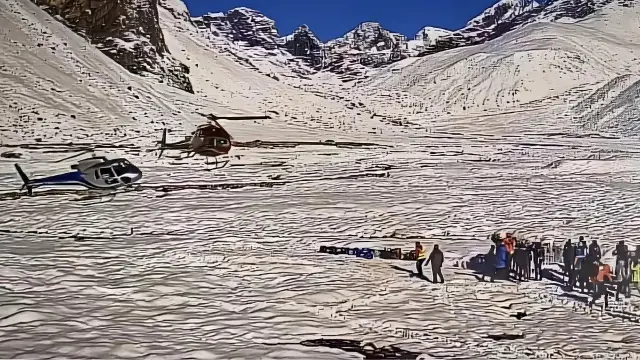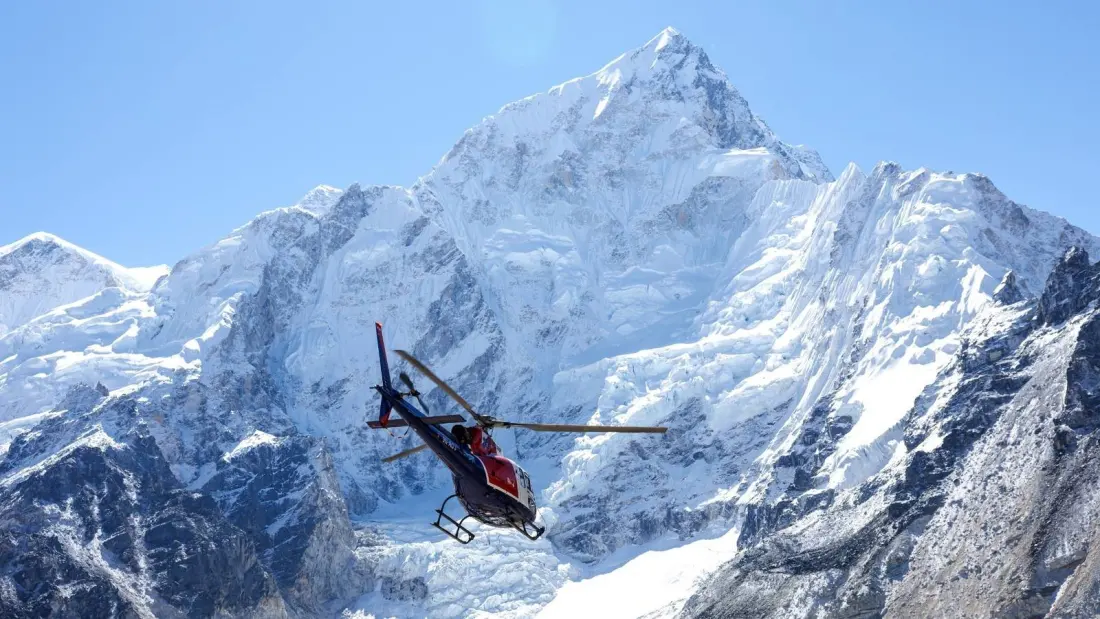
Two sightseeing-route helicopters clipped rotors and crashed while trying to land at the same helipad near Mount Everest on Tuesday, November 3, 2026, killing a 47-year-old Indian tourist and injuring two others. The collision happened at Pheriche village, roughly 4,200 metres above sea level and below Everest's South Base Camp, at around 8:12 in the morning during one of Nepal's busiest trekking windows.
The aircraft were both Airbus AS350s, one run by Fishtail Air and one by Air Dynasty. The Fishtail machine, registration 9N-AJR, had flown from Gorakshep with two foreign passengers aboard; the Air Dynasty aircraft, 9N-AOD, was on a cargo run out of Lukla. BBC-verified footage shows the rotor blades making contact just metres above the ground before both machines went down. An injured New Zealand passenger and the Nepali pilot were flown to Kathmandu for treatment.
Nepal's Civil Aviation Authority is investigating, and its director general Mukesh Dangol has pointed to a likely cause: the landing zone sits outside Lukla Airport's radar and radio coverage, so pilots in the area have to coordinate directly with each other. On this occasion, preliminary reports suggest that coordination simply failed, with the two aircraft approaching the pad from opposite directions at the same moment.
The crash lands amid a wider debate about helicopter traffic in the Khumbu. A Manang Air AS350 crashed nearby in July 2023, killing all six aboard, including five Mexican tourists. Local communities have complained for years about noise and environmental strain from sightseeing flights, prompting Sagarmatha National Park and local authorities to announce restrictions on scenic helicopter overflights from January 1, 2026, with rescues exempted. Yet helicopters remain the region's lifeline: there are no roads to most trailhead villages, and choppers ferry supplies, expedition gear and altitude-sickness evacuations daily.
For travellers, the takeaway is practical as much as it is sobering. Helicopter tours to Everest Base Camp are a serious purchase — around $1,300 per person on a shared basis, and up to $6,500 for a private charter, with seasonal fuel surcharges on top. They're also genuinely risky: high-altitude flying pushes both machines and pilots to their limits, and much of the route operates without air traffic control coverage. If you're booking a Everest-region heli flight or trek that includes one, check the operator's safety record, confirm whether your itinerary is affected by the new park flight restrictions, and make sure you have comprehensive insurance that covers helicopter transport and high-altitude evacuation.
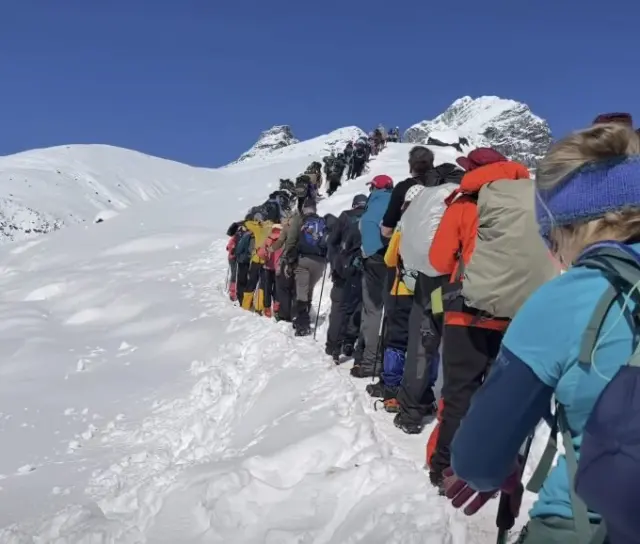
The region itself remains as popular as ever — thousands of trekkers moved through the Khumbu in the days around the accident as autumn weather cleared. Nepal's investigation into the crash will likely feed into fresh rules on landing coordination and flight procedures, which matter to anyone planning to fly into Lukla or helicopter up the valley.